


It starts with something small. A missing flight option. A slightly higher ticket price. A longer layover than expected.

Source: Getty Images
But across Africa right now, that small inconvenience is turning into something much bigger.
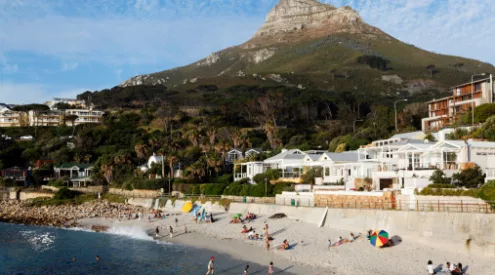
According to Travel And Tour World, from Kenya’s safari circuits to South Africa’s coastal getaways, a quiet shift in global aviation is beginning to reshape how people travel, where they go, and whether they go at all.
The routes that quietly held everything together
For years, airlines based in the Middle East were the invisible thread stitching together global travel. Carriers like Emirates, Qatar Airways, and Etihad made it remarkably easy to move between continents, especially for travellers heading into Africa.
A single stop in Dubai, Doha, or Abu Dhabi could take you from London to Johannesburg or from Mumbai to Nairobi without much fuss.
That convenience is now fading.
Airlines have begun reducing frequencies and adjusting schedules on certain routes. The reasons are layered. Global operational pressures, including costs and shifting demand, are all part of the picture.
What matters for travellers is the outcome. Fewer flights. Fewer seats. And a very different travel experience.
Kenya joins the slowdown, and the ripple spreads
Kenya has now joined countries like South Africa, the UK, India, and China in feeling the impact of these global reductions.
For a country where tourism is a major economic driver, even a slight drop in international arrivals carries weight. Safari bookings, hotel stays, and guided tours all depend on travellers being able to get there easily and affordably.
And right now, that ease is slipping.
The knock-on effect stretches beyond tourism. Business travel is taking a hit. Cultural exchanges are slowing. Even regional connections feel less fluid than before.
“Why is it so expensive to fly?”
If you’ve been browsing flights lately, you’ve probably felt it.
Airfares on key long-haul routes connecting Africa to Europe and Asia have climbed noticeably. What used to be a manageable expense is now edging into luxury territory for many travellers.
On social media, travellers are sharing screenshots of eye-watering prices and complicated multi-stop itineraries. The frustration is real and growing.
People still want to travel. That hasn’t changed. What’s changing is the cost of making it happen.
Safari dreams meet real-world budgets
Few sectors feel this shift as sharply as safari tourism.
Across Kenya and parts of Southern Africa, high-end lodges rely heavily on international visitors who book months in advance and spend significantly during their stay.
But when flights become expensive or unpredictable, those bookings can slow down.
Some lodges are responding with discounts or special offers. Others are trying to attract more local and regional travellers. It helps, but it does not fully replace the steady flow of overseas guests.
For many operators, this moment feels like a balancing act between survival and adaptation.
A local travel boom, but with limits
In South Africa, especially, there has been a noticeable rise in domestic travel.
Joburg residents are heading to the coast. Cape Town locals are exploring nearby wine regions. Regional travellers are rediscovering destinations closer to home.
It is a positive shift, and one that brings its own kind of energy back into the travel scene.
But it is not a full substitute. International travellers typically spend more, stay longer, and book premium experiences. Without them, the numbers do not quite add up in the same way.
The new way to plan a trip
Travel planning now looks different.
People are booking earlier to lock in better fares. Travel insurance is no longer optional for many. Flexible bookings are becoming a must rather than a bonus.
And perhaps most tellingly, travellers are becoming more strategic. Some are choosing alternative routes through Europe or Asia. Others are simply waiting it out, hoping for prices to stabilise.
The spontaneity of travel is still there, but it is now paired with a layer of caution.
A global shift with local consequences
What makes this moment so striking is how interconnected it all feels.
A decision made by an airline thousands of kilometres away can now influence a safari booking in Kenya or a hotel stay in Cape Town.
The global travel system has always been linked. Now, those links feel tighter and more fragile at the same time.
There is cautious optimism that routes will stabilise and travel will become easier again. Africa remains one of the most sought-after regions in the world, rich in wildlife, culture and landscapes that continue to draw people in.
But for now, the journey there is a little more complicated than it used to be.
Source: Travel And Tour World
Follow us on social media for more travel news, inspiration, and guides. You can also tag us to be featured.
TikTok | Instagram | Facebook
ALSO READ: