There’s a strange contradiction playing out in South Africa right now. On one hand, some of the world’s biggest governments are warning travellers to be cautious. On the other hand, the country is quietly pulling off one of the strongest tourism comebacks anywhere.

Source: 360 Mozambique
According to Travel And Tour World, if you’ve spent any time scrolling through travel TikTok or Instagram lately, you’ve probably seen it. Game drives packed with sightings, Cape Town sunsets flooding timelines, and Joburg’s food scene getting its moment. The disconnect is real. The warnings are loud, but so is the demand.
A surge that no one expected
By the end of 2025, South Africa welcomed around 10.5 million international visitors. That is not just a recovery from the pandemic slump. It is a full rebound past pre-2020 levels. Even more striking, this marked roughly an 18 percent jump compared to the year before.
Zoom out, and the movement is even bigger. Total traveller crossings into the country reached about 36.5 million, showing just how active the region has become again.
A large share of these visitors came from neighbouring Southern African countries, with short regional trips driving consistent traffic. At the same time, long-haul travellers from Europe and beyond are steadily returning, especially for bucket list experiences like safaris and coastal escapes.
The warnings travellers cannot ignore
At the start of 2026, countries including the United States, the United Kingdom, Canada, and New Zealand issued stronger travel advisories for South Africa. These highlighted concerns around violent crime, theft, scams, and risks in certain urban areas.
If you have ever driven through parts of Joburg or heard stories of smash-and-grab incidents at traffic lights, this will not come as a shock. Locals live with that awareness daily. It is part of the reality.
But here is where the conversation gets more nuanced.
Travel professionals and operators often point out that these advisories paint a broad picture. They rarely reflect how tourism actually functions on the ground. Guided safaris, established hotels, and curated experiences tend to operate with strict safety protocols. For many visitors, especially those sticking to known routes and using local advice, trips run smoothly.
The economic engine behind the scenes
Tourism is no longer just a lifestyle sector in South Africa. It is a serious economic force.
The industry now contributes close to 9 percent of the country’s GDP. That is a substantial slice of the economy, especially in a country still battling high unemployment.
Even more telling is the jobs story. Travel and tourism currently support nearly 1.9 million jobs, both directly and indirectly. From hotel staff and tour guides to transport providers and small business owners, the ripple effect is massive.
And it is not just international visitors carrying the load. Domestic tourism has quietly become one of the biggest drivers of growth. South Africans are travelling more within their own country than before the pandemic, taking weekend trips, exploring new provinces, and keeping money circulating locally.
Cities and safaris leading the charge
Across the country, key destinations are showing strong demand again.
Cape Town continues to dominate global travel wish lists, with its mix of ocean, mountains, and wine culture. Durban is drawing steady coastal traffic, while Johannesburg remains a major gateway and business travel hub.
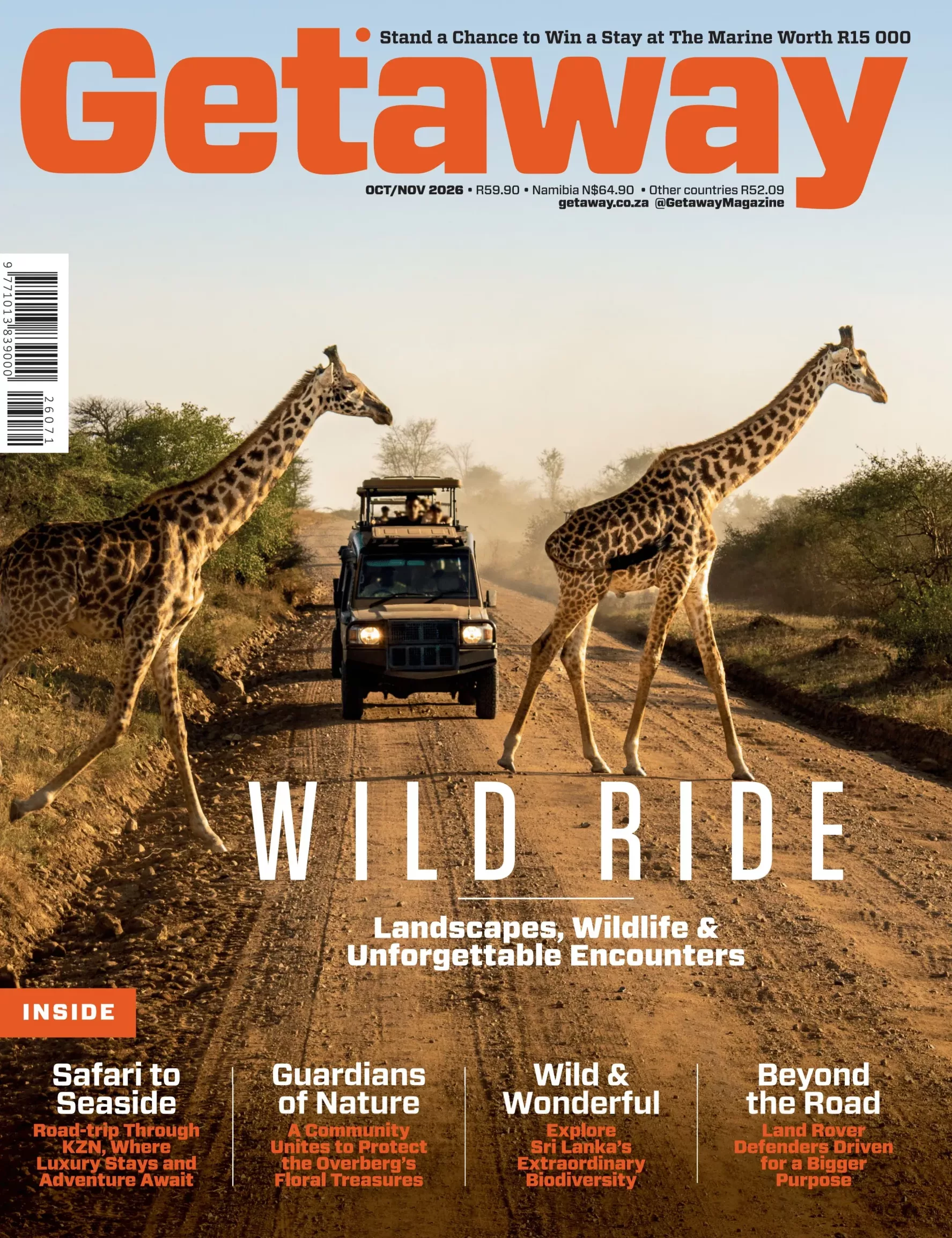
Then there is the safari sector, arguably South Africa’s strongest global pull. Private reserves and national parks are attracting high-spending travellers looking for exclusive wildlife experiences. Luxury lodges and guided tours are not just recovering. They are thriving.
What travellers are really saying
Despite the official warnings, online sentiment tells a slightly different story.
Visitors often share experiences that highlight both awareness and enjoyment. You will see posts about being cautious at night or using Uber instead of walking, paired with glowing reviews of hospitality, scenery, and value for money.
There is a kind of unspoken understanding emerging. South Africa is not a destination where you switch off completely. It is one where you stay aware, plan smartly, and, in return, get something unforgettable.
A future built on confidence
Looking ahead, South Africa is not slowing down its tourism ambitions.
There are clear targets to push tourism’s contribution beyond 10 percent of GDP and to grow employment to around 2.5 million jobs. Plans are also in motion to improve infrastructure, modernise visa systems, and strengthen marketing campaigns aimed at global travellers.
The bigger picture is clear. Tourism is being positioned as a cornerstone of economic growth.
The real story behind the headlines
South Africa’s tourism narrative in 2026 is not simple. It is layered.
Yes, safety concerns exist and should be taken seriously. But at the same time, millions of people are still choosing to visit, spend, and return home with stories that often contradict the fear.
Maybe that is the real takeaway. South Africa is not a destination you experience passively. It asks something of you. Awareness, curiosity, and a willingness to engage with complexity.
And in return, it delivers something few places can match.
Source: Travel And Tour World
Follow us on social media for more travel news, inspiration, and guides. You can also tag us to be featured.
TikTok | Instagram | Facebook
ALSO READ:
Augrabies runs dry: No fuel inside the park as visitors urged to plan ahead