


One small creature is quietly shaping the future of sustainable travel, writes Miriam Kimvangu.

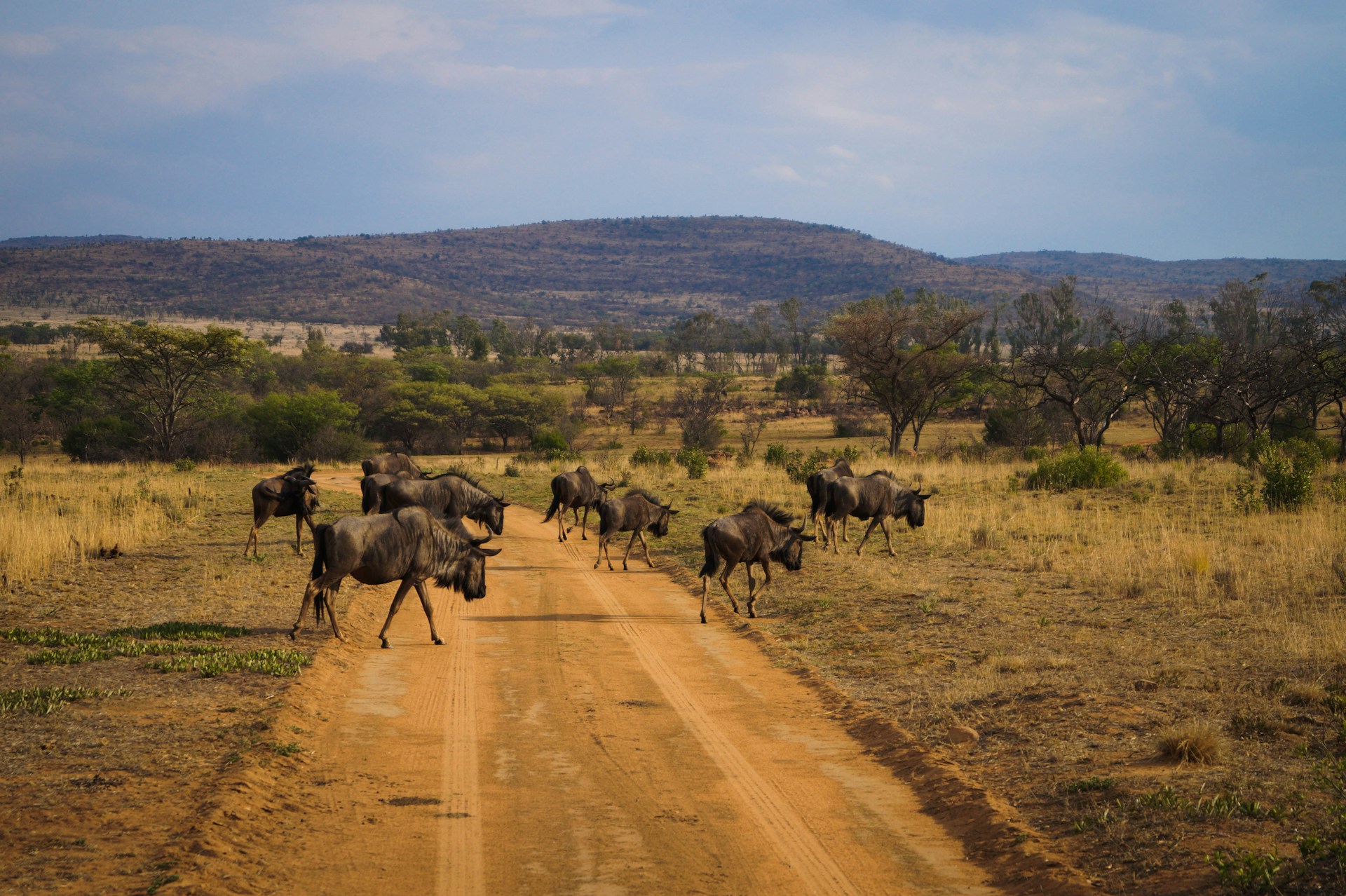
Image used for illustrative purposes/Kai Wenzel/Unsplash
A growing number of lodges are recognising that bees are as vital to their landscapes as rivers, soil and wildlife corridors. Pollinators underpin food systems, support biodiversity and help ecosystems recover, yet they are under increasing pressure from habitat loss, pesticides and climate shifts. In response, some safari lodges, mountain retreats and farm stays are going beyond traditional conservation models by actively creating bee-friendly environments that benefit both guests and the land.
Why bees matter in Southern Africa
Bees are key to pollination, enhancing plant reproduction and maintaining biodiversity. Southern Africa supports a remarkable diversity of bees, including honeybees and native species that work quietly among indigenous flora. Healthy pollinators mean thriving wildflowers, sweeter fruit harvests and more resilient ecosystems. Yet bees face real threats from habitat loss, pesticides and climate changes. Lodges that put native plants first and reduce chemical use are helping to reverse these trends. Staying at one of these properties is a way for visitors to support this work simply by being there.
1. Honey Lodge, Dinokeng Game Reserve
A standout example in the bee friendly travel world is Honey Lodge in Dinokeng Game Reserve. As the name suggests, bees are a central part of the lodge’s story and identity. Dinokeng’s wide open savanna and flowering terrain create ideal forage for honeybees. Guests can enjoy classic Big Five game drives while the lodge environment supports healthy bee populations. The wildflowers and nectar trees around Honey Lodge make it a great spot for nature lovers who want to see conservation in action and enjoy the buzz of healthy pollinators.
ALSO READ: Wildlife escapes for couples who want more than game drives
2. Thaba Eco Hotel, Gauteng
Thaba Eco Hotel has taken a creative and practical approach to eco friendliness by installing solitary bee hotels throughout its gardens. These structures provide nesting habitat for solitary bees, crucial native pollinators that do not form large hives but are highly effective at pollinating local plants. The hotel’s focus on sustainable design, water wise landscaping and indigenous plantings creates a welcoming environment for these important insects. Guests walking the trails can spot these bee hotels and learn how small design decisions can support big environmental impact.
3. Naka Game Reserve Bee Experience, Limpopo
In Limpopo, Naka Game Reserve blends safari adventure with pollinator education through its Bee Experience. This activity invites travellers to learn about beekeeping right in the heart of wildlife country. Led by knowledgeable guides and beekeepers, the experience introduces guests to the rhythms of a hive, the behaviours of bees and how honey is harvested. It is a hands on way to connect with nature and understand the role bees play in the lifecycles of both wild and cultivated plants. The Bee Experience is especially appealing for families and curious explorers who want meaningful travel memories rooted in both nature and culture.
View this post on Instagram
4. African Beekeeping Safaris
For those keen to go deeper into pollinator conservation, African Beekeeping Safaris offers specialised experiences that intersect with luxury travel. While itineraries vary, they include lodge stays in game rich regions like the Kruger area and hands on involvement with local beekeeping projects. Participants can visit apiaries, learn to handle hives with experienced beekeepers and sample local honey varieties. This style of safari brings pollinator awareness to the forefront and connects travellers with community based conservation efforts that support both people and bees.
What makes these stays special
Bee friendly lodges prioritise indigenous plants that produce nectar and pollen, avoid harmful chemicals, preserve natural areas and incorporate pollinator education in their offerings. These practices make landscapes more hospitable for bees. Beyond that, these lodges and experiences usually integrate pollination themes into the guest experience. Chefs showcase local honey and wildflower flavours in meals. There are also garden tours highlight which plants benefit bees most.
Follow us on social media for more travel news, inspiration, and guides. You can also tag us to be featured.
TikTok | Instagram | Facebook | Twitter
ALSO READ: F is for February and also for F__