




South Africa is pushing to establish a direct air link with India ahead of the ICC Men’s Cricket World Cup in 2027, as government and tourism officials look to make it easier for one of the country’s most important emerging markets to reach South Africa.
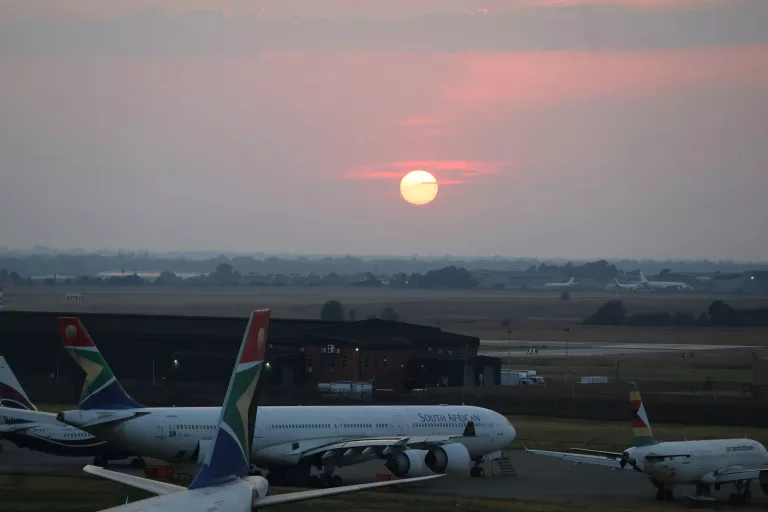
Photo by Lilishia Gounder / Unsplash
Tourism Minister Patricia de Lille says high-level discussions are under way with South African Airways (SAA) and private Indian airlines about potentially launching a direct route between the two countries. The talks involve the departments of Tourism, Transport, and Trade, Industry and Competition, with South Africa’s High Commissioner to India, Professor Anil Sooklal, also engaging with the Indian business sector.
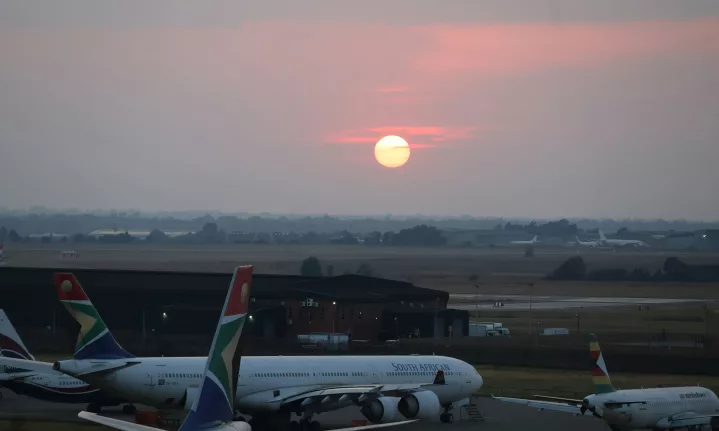
For travellers, the distinction is important. A direct India-South Africa route does not currently operate. Travellers flying between Johannesburg and Mumbai, for example, need to connect through another city, with common options including Addis Ababa, Nairobi, Doha and Dubai. That extra connection is exactly the gap South Africa is hoping to close.
A route with more than tourism potential
India is already an important source market for South Africa. In 2025, 69 680 Indian tourists visited the country, making India the largest source of visitors among the original BRIC countries, ahead of Brazil, Russia and China. Collectively, those four markets accounted for 213 138 tourist arrivals to South Africa during the year.
South Africa is also actively trying to grow its Indian market. In May 2026, Tourism Minister Patricia de Lille said the country was targeting 100 000 Indian visitors for the year, following 69 680 arrivals in 2025. During the first quarter of 2026, 12 912 Indian visitors had already travelled to South Africa.
Improved air access could make that target easier to reach. The proposed route is not only about leisure travellers, either. Sooklal has pointed to the wider business opportunity, saying that the lack of a direct connection is a disadvantage and that Indian businesses regularly raise the issue because lengthy transit times can make trade more difficult.
The timing is particularly significant because South Africa is already working to expand its international air connectivity. New direct routes, including Johannesburg-Madrid and São Paulo-Cape Town, have been launched or expanded during 2026 as part of the country’s broader route-development strategy.
The Cricket World Cup could change the equation
The biggest immediate reason for the push is cricket. The ICC Men’s Cricket World Cup 2027 will be co-hosted by South Africa, Zimbabwe and Namibia in October and November 2027. The tournament will feature 14 teams and a new three-stage format, culminating in the finals.
India is already one of the teams that has secured its place in the tournament, while Afghanistan also recently joined the automatically qualified teams.
For South Africa, that creates an opportunity to turn cricket fans into tourists. De Lille says South African Tourism plans to monitor ticket sales from October and work with the private sector to develop travel packages that encourage supporters to stay longer and explore the country before or after matches. The strategy is aimed at cricket-loving markets including India, England, Australia, Pakistan and New Zealand.
And there is plenty for visitors to see beyond the stadiums.
South Africa intends to use the tournament to promote its wildlife, wine routes, beaches and cultural experiences, while also highlighting community tourism and smaller businesses. The wider plan is to position the World Cup as a sports tourism platform rather than simply a series of matches. That could mean an Indian cricket fan travelling for a match in Johannesburg, for example, could be encouraged to add a safari, Cape Town stay, Winelands escape or coastal trip to the itinerary.
Why direct access matters
A direct flight would do more than shave time off an itinerary. For South Africa, the bigger prize is making the country easier to choose.
At present, travellers between India and South Africa have to build their journeys around connecting hubs. Johannesburg to Mumbai has no nonstop service, despite the two cities being important commercial centres.
Airbus identified the Johannesburg-Mumbai connection as one of the world’s most underserved routes in a study released earlier this year, highlighting the demand gap created by the absence of a nonstop service.
That makes the proposed route interesting beyond the World Cup itself. A successful service could support tourism, business travel and broader economic links between the two countries long after the cricket crowds have gone home. It would also strengthen South Africa’s position against other African destinations competing for Indian travellers. De Lille noted that Kenya, Ethiopia and Rwanda are also engaging with Indian airlines about direct connections to Indian hubs.
The World Cup is the opportunity, but the route has to last
South Africa is entering the 2027 tournament from a position of growing international tourism demand. The country recorded a record 10.5 million international arrivals in 2025, while arrivals between January and May 2026 were up 12.8% year on year. The challenge now is converting that momentum into sustainable connectivity.
A direct India route would certainly make travelling to South Africa more convenient, particularly for first-time visitors who may be less willing to navigate a long international journey with multiple connections. But launching a route is only the beginning. For it to remain viable beyond the World Cup, there needs to be consistent demand from both leisure and business travellers.
That is why the current discussions matter. Nothing has been confirmed yet, but South Africa is clearly treating direct connectivity with India as a strategic priority. With the 2027 Cricket World Cup approaching, the tournament provides a ready-made reason to get the route off the ground and introduce thousands of potential visitors to the country.
If the plan succeeds, the real win for South Africa may not be the number of Indian fans who arrive for the cricket. It will be the number who decide to stay a little longer, see more of the country and come back when there is no match on the calendar.
This story is based on information from ATTA, IOL and other cited sources. Details are correct at the time of publication and may change as discussions around the proposed route continue.
Follow us on social media for more travel news, inspiration, and guides. You can also tag us to be featured.
Instagram | Facebook | Twitter | Spotify
ALSO READ: