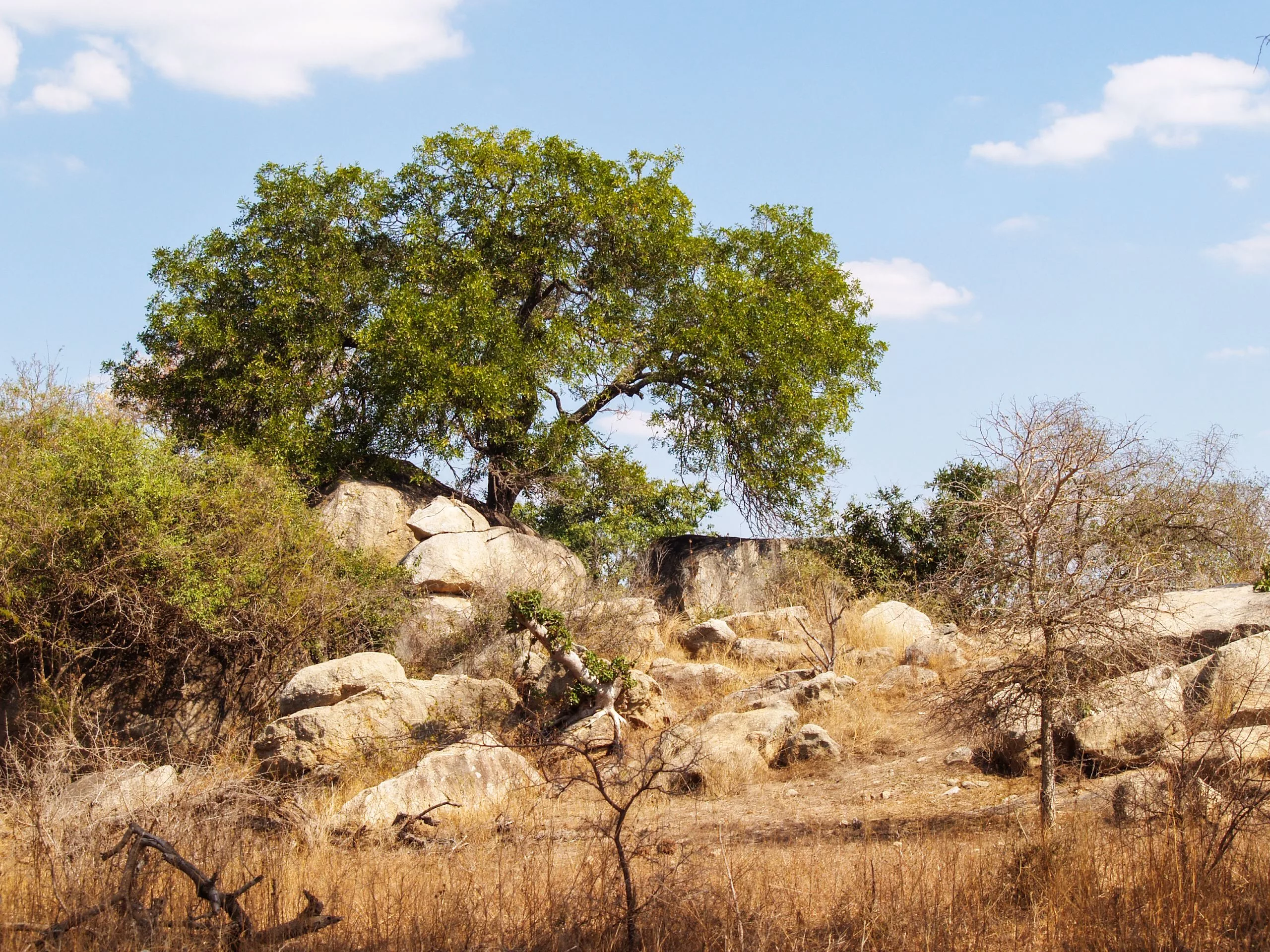




When two young rhino calves were spotted alone in the vast wilderness of the Kruger National Park, alarm bells rang instantly.

Source: Safari West
According to Good Things Guy, in a landscape where heat shimmers over rugged terrain and poaching remains a harsh reality, two vulnerable lives were standing together in the bush, trying to survive without their mothers. What followed was a rapid, highly coordinated rescue that has since captured the hearts of South Africans online.
A bond born out of survival
The two male calves, believed to be around 12 to 14 months old, had formed an unlikely alliance. Rangers on patrol noticed they were sticking close to one another, a sign that something was wrong.
At that age, rhino calves should still be under the watchful protection of their mothers. Their solitary presence raised serious concerns that they may have been orphaned due to poaching.
Members of the Jock Environmental Monitoring Unit immediately alerted Care for Wild Rhino Sanctuary, one of the country’s leading rhino rehabilitation centres. From there, the race against time began.
A rescue against the odds
The operation required precision and teamwork. South African National Parks staff at Kruger worked closely with veterinarian Dr Lufuno Netshitavhadulu, Chief Pilot David Simelane, Marius Snyder, Craig Williams, the JEMU team, and the Care for Wild crew.
The terrain proved unforgiving. One of the recovery points was inaccessible by vehicle, forcing the team to adapt quickly. The older calf was carefully airlifted by helicopter to the nearest accessible road before being placed on a drip to stabilise him. From there, he was transported by trailer to the sanctuary.
On arrival, Dr Netshitavhadulu conducted an immediate assessment before the calf was transferred into the juvenile high-care unit. He was moved into a recovery area where the Care for Wild team could begin intensive monitoring.
The second calf was airlifted directly to the sanctuary. With extreme heat and punishing humidity adding to the pressure, the team moved swiftly to provide fluids, hydration, and constant supervision.
Every step had to be exact. Every decision carried weight.
Why this rescue matters
South Africa’s rhino population has long been under threat from poaching syndicates. Orphaned calves often struggle to survive in the wild without maternal protection, becoming vulnerable to predators, dehydration, or further human threats.
Care for Wild Rhino Sanctuary has become a lifeline for many of these young animals, providing rehabilitation with the long-term goal of rewilding when possible. Operations like this highlight both the fragility of the species and the extraordinary lengths conservation teams go to in order to protect them.
Social media lit up after the sanctuary shared news of the rescue, with many South Africans praising the courage and dedication of the teams involved. In a country often weighed down by difficult headlines, stories like this cut through the noise. They remind us that behind every statistic is a living, breathing animal fighting for a future.
A reminder from the bush
There is something deeply moving about two young calves standing side by side in the wilderness, instinctively choosing companionship in the face of danger.
Their rescue is more than just a wildlife success story. It is a powerful snapshot of conservation in action, where rangers, pilots, veterinarians, and carers each play a critical role in safeguarding one of Africa’s most iconic species.
In the sweltering heat of Kruger, hope quite literally took flight.
Follow us on social media for more travel news, inspiration, and guides. You can also tag us to be featured.
TikTok | Instagram | Facebook
ALSO READ:
SA tourism sector gains confidence as attractions remain highly ranked worldwide