

As Kruger National Park marks its centenary year, a landmark agreement is set to reshape how conservation benefits the communities that have lived alongside one of Africa’s most iconic protected areas for generations.
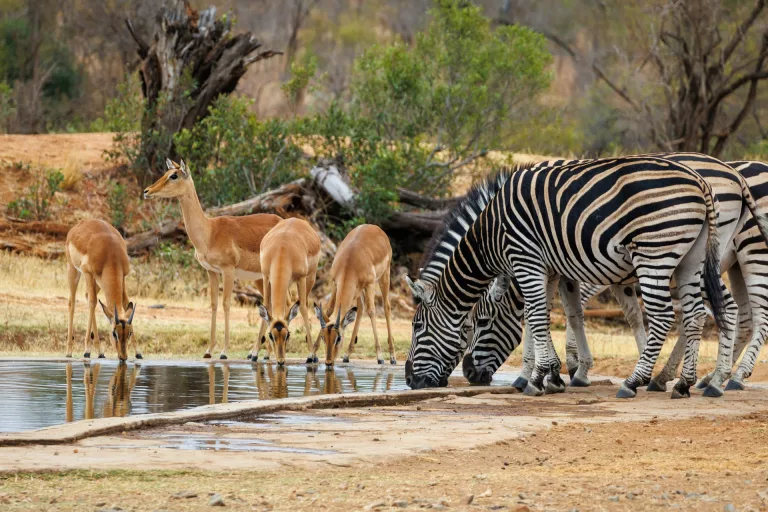
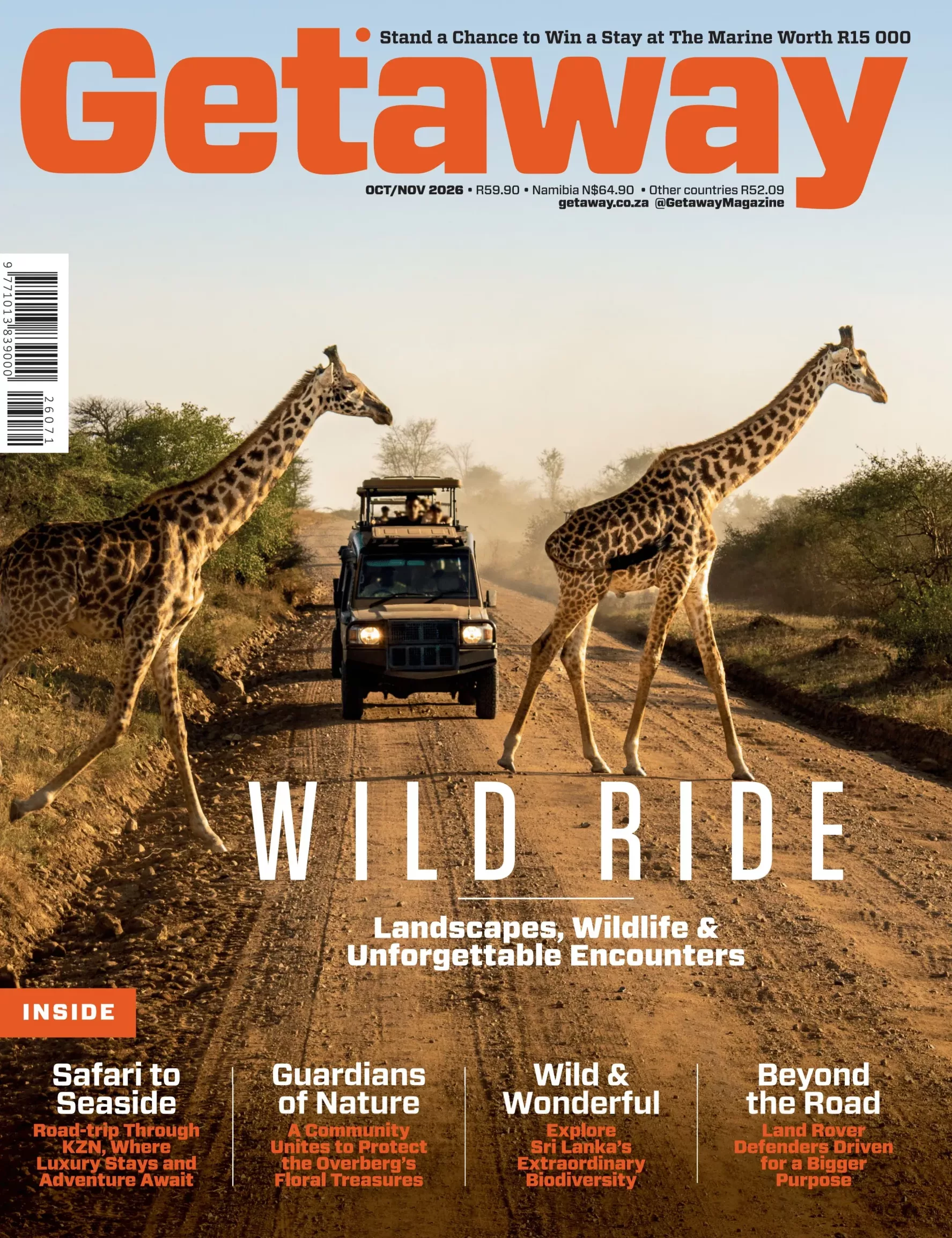
Kruger National Park/Martijn Vonk/Unsplash
Minister of Forestry, Fisheries and the Environment, Willie Aucamp, has signed the Kruger National Park Beneficiation Scheme Agreement alongside Minister of Land Reform and Rural Development Mzwanele Nyhontso and representatives of claimant communities. The agreement forms part of a broader land restitution process aimed at addressing historical dispossession while safeguarding the future of South Africa’s flagship national park.
The signing comes as Kruger National Park celebrates 100 years since its establishment, creating an opportunity to reflect not only on the park’s conservation achievements but also on how protected areas can contribute more directly to social and economic development.
Under the scheme, qualifying land claimant communities will gain structured access to a range of opportunities linked to the park economy. These include tourism concessions, enterprise and supplier development programmes, bursaries, skills training initiatives and employment opportunities designed to create long-term economic benefits.
Importantly, the agreement does not alter the conservation status of Kruger National Park. The park remains protected and operational, while communities can benefit from their ancestral land through economic participation rather than resettlement within the reserve.
For travellers, the agreement highlights a growing shift in conservation thinking across Southern Africa. Increasingly, protected areas are being viewed not only as wildlife sanctuaries but also as engines for local development. The success of conservation often depends on strong relationships between parks and neighbouring communities, particularly in regions where tourism supports jobs and small businesses.
The initiative aligns with SANParks’ broader transformation agenda and follows a wider push towards inclusive conservation models that connect biodiversity protection with economic empowerment. Similar programmes have been rolled out in coastal and marine conservation areas, where community participation is seen as essential to long-term environmental sustainability.
Speaking at the signing ceremony in Skukuza, Aucamp described the agreement as a partnership built on opportunity and shared value. He stressed that conservation should generate meaningful benefits for the people who live closest to protected areas and help create livelihoods linked to South Africa’s natural heritage.
The road to the agreement has been lengthy. Negotiations spanning roughly a decade brought together government departments, SANParks, traditional leaders and claimant communities to find common ground between conservation objectives and land restitution.
As Kruger enters its second century, the agreement represents more than a settlement. It offers a blueprint for how conservation areas can balance ecological protection with social justice, ensuring that the landscapes visitors travel to experience also create opportunities for the communities whose histories are deeply connected to them.
(Source: SANParks)
Follow us on social media for more travel news, inspiration, and guides. You can also tag us to be featured.
Instagram | Facebook | Twitter
ALSO READ:
Table Mountain National Park announces winter 2026 operating hours