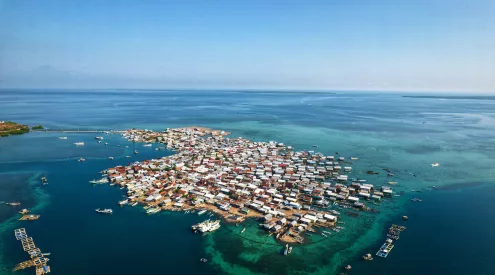






A major eruption of Mount Anak Krakatau has caused widespread travel disruption in Indonesia, with volcanic ash forcing airports to close and thousands of flights affected.
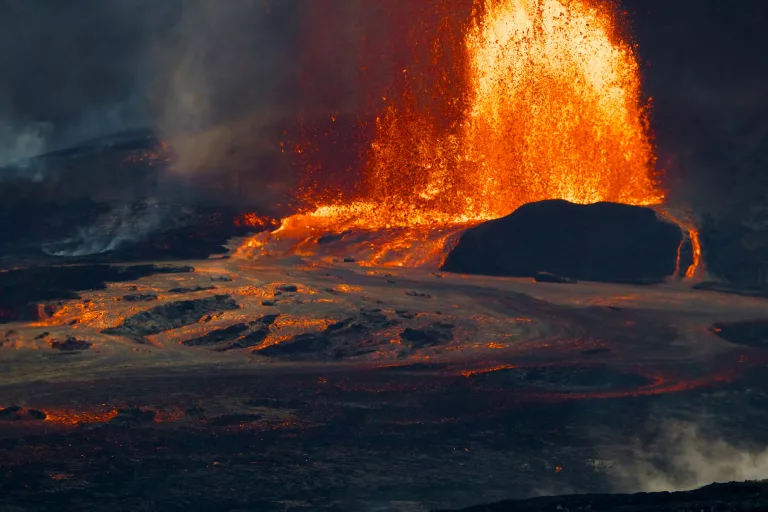
Photo: Unsplash
Indonesia is dealing with major travel disruption after Mount Anak Krakatau erupted in the Sunda Strait, sending volcanic ash across parts of Java and Sumatra and forcing the temporary closure of several airports.
According to AFP, as reported by The Guardian, the eruption had affected around 170,000 passengers and disrupted more than 1,500 flights at the time of the initial reports. Since then, Indonesian authorities have continued to monitor the situation as ash moves through the region and further flight disruptions are reported.
For travellers heading to Indonesia, or connecting through Jakarta, the situation means flight schedules may change at short notice, with authorities extending airport closures depending on weather conditions and the movement of the volcanic ash.
Which airports in Indonesia are affected?
The volcanic ash has affected airspace across parts of Java and Sumatra, with eight airports temporarily closed as a safety precaution on Monday morning, according to Indonesia’s Meteorology, Climatology and Geophysical Agency (BMKG).
These include major airports serving Jakarta and surrounding areas. Soekarno-Hatta International Airport, the country’s main international gateway, has been among the worst affected.
The closures are being treated as a preventative measure because volcanic ash can pose a serious risk to aircraft, particularly aircraft engines. BMKG said it is monitoring the movement of the ash around the clock.
The Indonesian transport authorities have also been extending and reviewing airport closures as conditions change, rather than setting a single reopening time for all affected airports.
More than 170,000 travellers affected
The initial figures released by Indonesia’s Ministry of Transportation showed that 1,558 flights had been delayed or cancelled across eight affected airports, affecting approximately 170,000 passengers. More than 900 of those flights were connected to Soekarno-Hatta International Airport.
The disruption has left travellers queuing at airports and searching for alternative routes, while airlines have had to cancel, delay or rearrange flights.
The latest reports indicate that the overall number of affected travellers and flights has continued to rise as the disruption stretches on. Reuters reported on Monday that more than 2,300 flights had been disrupted and more than 270,000 passengers affected.
Why is Anak Krakatau causing such widespread disruption?
Anak Krakatau sits in the Sunda Strait between the Indonesian islands of Java and Sumatra. Although the volcano is more than 150km from Jakarta’s main airport, its ash has spread into surrounding airspace.
The problem for aviation is not simply how close an airport is to the volcano. Volcanic ash can travel considerable distances depending on wind and weather conditions, making it difficult for authorities to predict exactly where it will move.
BMKG has reported volcanic ash affecting areas including Banten, Jakarta, West Java and parts of Sumatra. The agency has been issuing aviation warnings and closely tracking the ash plume.
For travellers, that means an airport that is operating normally in the morning could potentially face restrictions later in the day if ash moves into its airspace.
The volcano erupted for around 25 hours
The eruption has been more than a brief burst of volcanic activity.
Indonesia’s Geological Agency said Anak Krakatau experienced a continuous eruptive episode lasting approximately 25 hours, beginning late on Friday, 4 September, and continuing into Saturday before the episode ended early on Sunday.
Despite the end of that particular episode, the volcano remains at Level III, or Siaga, and authorities continue to monitor its activity.
Further eruptions remain possible, meaning the travel situation could continue to change.
Authorities have also maintained an exclusion zone around the volcano and warned people against approaching the crater because of the risk posed by volcanic material.
What does this mean for travellers visiting Indonesia?
If you’re currently in Indonesia, or are due to fly into the country, it is worth keeping a particularly close eye on your airline and airport before heading out.
Travellers should:
- Check their flight status directly with their airline before leaving for the airport.
- Allow extra time at airports where flights are operating.
- Avoid assuming that a previously confirmed flight will operate as scheduled.
- Check alternative flight options if travelling between Java and Sumatra.
- Follow instructions from Indonesian aviation and disaster-management authorities.
- Check travel insurance policies for cover relating to volcanic eruptions and resulting delays or cancellations.
Travellers already at affected airports should also be prepared for lengthy delays, as reopening depends on the location and concentration of volcanic ash in the airspace.
Indonesia remains one of the world’s most volcanically active countries
Indonesia sits along the Pacific Ring of Fire, where several tectonic plates meet. The country’s location makes it particularly vulnerable to earthquakes, volcanic eruptions and other geological activity.
For travellers, volcanic disruptions are therefore not entirely unusual. What makes the current situation significant is the scale of the impact on air travel, particularly around Jakarta.
For now, the advice is fairly simple: check before you travel, expect possible delays and keep an eye on updates from your airline and Indonesian authorities.
The volcano may be some distance from the airport you’re flying from, but volcanic ash doesn’t pay much attention to airport boundaries.
Follow us on social media for more travel news, inspiration, and guides. You can also tag us to be featured.
Instagram | Facebook | Twitter
ALSO SEE: Nepal flash floods leave at least 165 dead as hundreds of tourists remain missing
Nepal flash floods leave at least 165 dead as hundreds of tourists remain missing