

The Kingdom of Eswatini is taking a bold step towards strengthening its wildlife tourism offering with the launch of an ambitious $48 million conservation initiative in the Lubombo region.

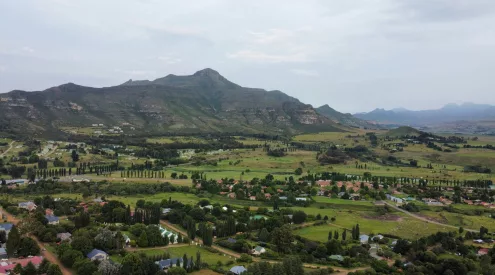
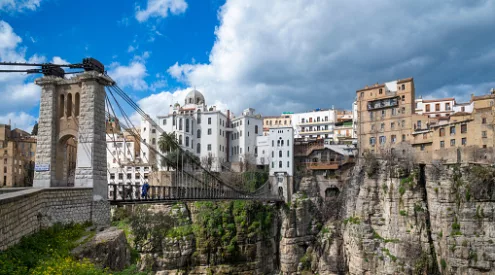
Eswatini/Patrick Konior/Unsplash
According to travelnews.africa, the five-year project aims to establish a vast Big Five nature reserve spanning roughly 87,000 hectares, bringing together existing protected areas, private game reserves and community-owned land into one connected conservation landscape.
At the heart of the plan is the creation of a wildlife destination capable of competing with some of Southern Africa’s leading safari regions. The proposed reserve forms part of the wider Lubombo Transfrontier Conservation Area, a cross-border conservation network linking ecosystems in Eswatini, Mozambique and South Africa.
According to project partners, the initiative is expected to boost biodiversity conservation, strengthen climate resilience and expand tourism opportunities while creating new livelihoods for nearby communities. The reserve will support species such as elephant, rhino and wild dog, while also working to reduce human-wildlife conflict in surrounding areas.
Funding for the project includes a $5.23 million grant from the Global Environment Facility, with additional backing from the government, conservation organisations and private-sector partners. The total investment is expected to exceed $48 million over the next five years.
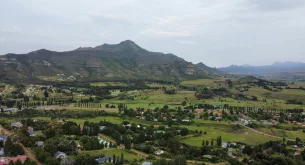
The Lubombo landscape is already known for its rugged scenery, rolling savannas and rich biodiversity. Existing conservation areas in the region include Hlane Royal National Park and Mlawula Nature Reserve, both of which are expected to play a key role in the expanded reserve network.
For travellers, the development could place Eswatini firmly on the map as an emerging Big Five safari destination. Unlike some of the region’s busier reserves, the country offers a more intimate wildlife experience, often paired with strong cultural tourism and easy access from neighbouring South Africa and Mozambique.
Conservationists also see the project as an important ecological investment. By reconnecting fragmented habitats and improving protected area management, the initiative hopes to create safer migration corridors for wildlife while protecting one of Southern Africa’s lesser-known biodiversity hotspots.
Follow us on social media for more travel news, inspiration, and guides. You can also tag us to be featured.
Instagram | Facebook | Twitter
ALSO READ:
Encouraging wildlife stories from around the world this week