

South Africa’s wildlife map is full of surprises.
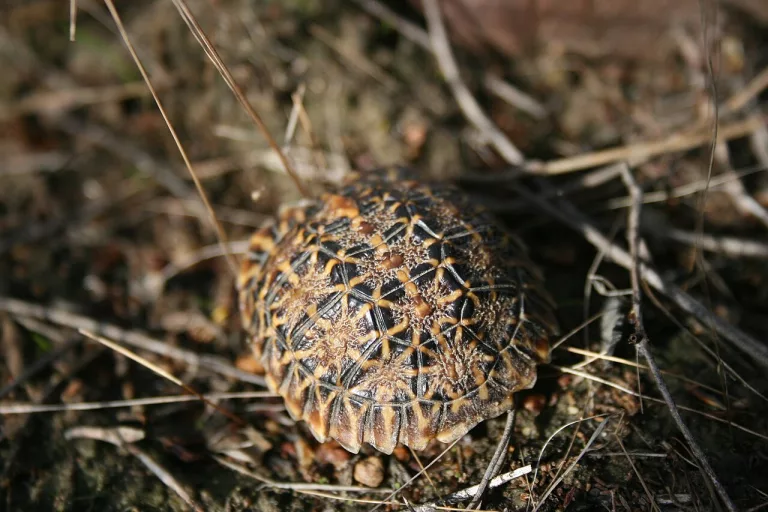
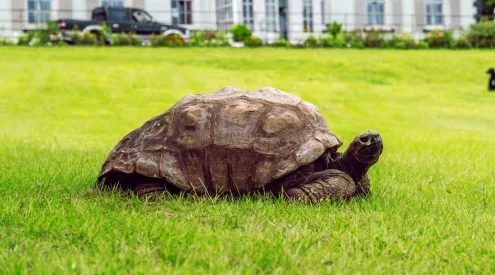
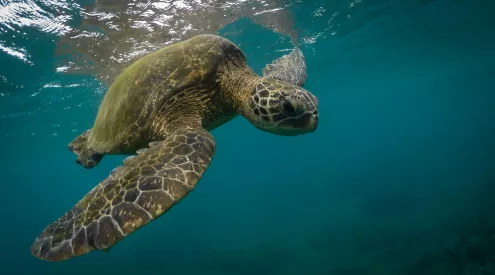
Geometric turtle/Jacques van der Merwe/Wikimedia Commons
Beyond lions, elephants and rhinos are tiny frogs, secretive rabbits, mountain birds and reptiles that can make a particular landscape their only home.
This means a wildlife trip does not always have to mean heading to a major game reserve. Some of the country’s most fascinating encounters require little more than a pair of binoculars, a good field guide and a willingness to explore less familiar habitats.
Western Cape: Fynbos specialists
The Western Cape is one of the best places in South Africa to see wildlife shaped by a unique environment. The Cape Floristic Region supports an extraordinary number of endemic species, including the geometric tortoise, Cape sugarbird and Cape rockjumper.
The geometric tortoise is particularly localised, occurring in the lowland renosterveld and fynbos landscapes of the Cape. The Cape sugarbird, meanwhile, is closely associated with protea-rich fynbos, where its long tail and distinctive call make it easier to detect than some of its smaller neighbours.
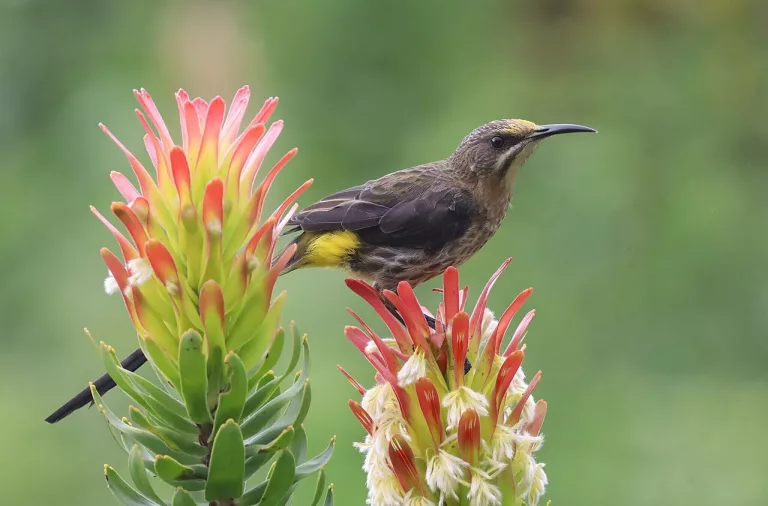
Cape sugarbird/Paul Hoekman/Wikimedia Commons
The Cape rockjumper is another prized sighting, but it is important to note that it is not exclusive to the Western Cape. Its range extends through mountainous fynbos into the Eastern Cape, with populations occupying high-altitude rocky slopes and ridges.
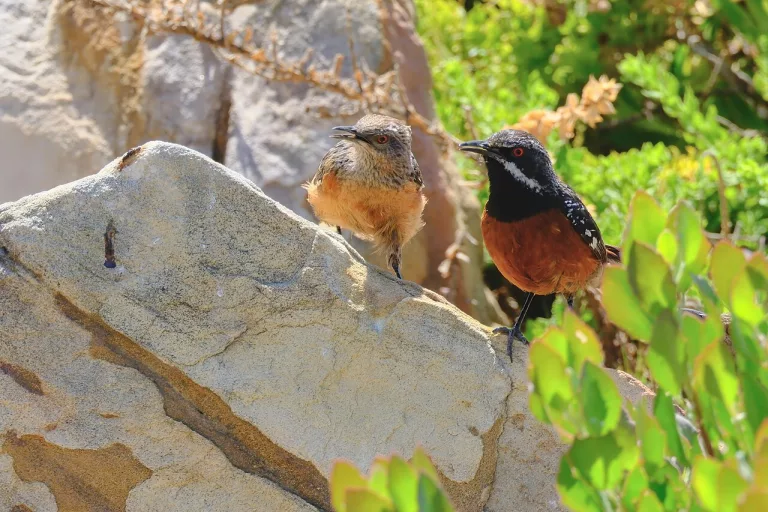
Cape rockjumper/Roland Riedel/Wikimedia Commons
For amphibian enthusiasts, the province’s fynbos wetlands harbour several localised frog species, many of which are threatened by habitat loss and changing environmental conditions.
Northern Cape: Rare life along the rivers
The arid Northern Cape might seem an unlikely place to search for rare wildlife, but its river corridors provide crucial habitat for one of South Africa’s most elusive mammals: the riverine rabbit.
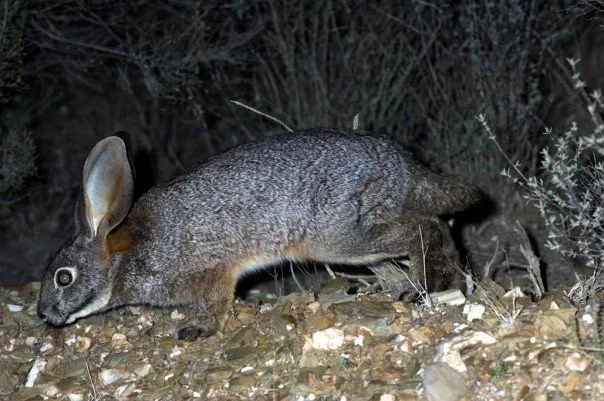
Riverine Rabbit/Tony Camacho/Wikimedia Commons
Critically endangered and notoriously difficult to spot, the species lives among dense vegetation along seasonal rivers. Its habitat is highly fragmented, making conservation of remaining riverine corridors particularly important.
The province also offers mountain habitats for Hartmann’s mountain zebra and specialised reptiles adapted to some of the harshest conditions in the country.
Eastern Cape: Mountains and miniature specialists
The Eastern Cape is another province where wildlife rewards those who look beyond the obvious. Cape mountain zebra is one of its signature species, while Addo Elephant National Park is home to the famous flightless dung beetle.
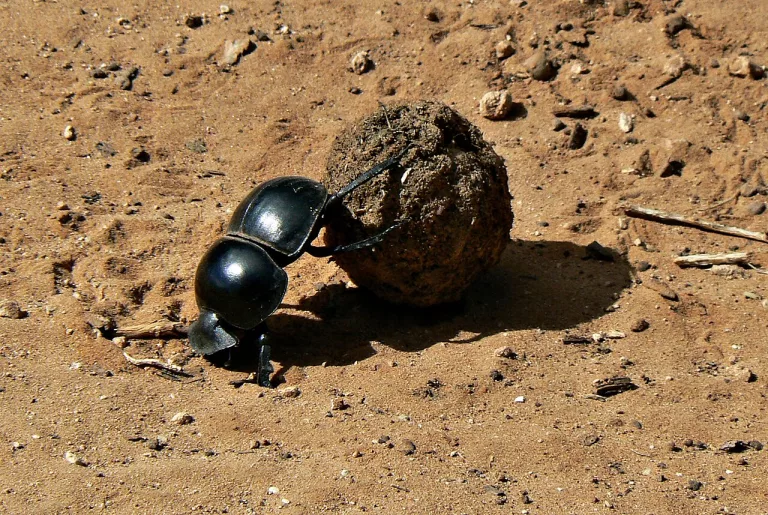
Flightless Dung Beetle/Kay-africa/Wikimedia Commons
This remarkable beetle has evolved alongside the large herbivores of the Addo landscape and is a reminder that conservation is not simply about charismatic mammals. Protecting an elephant population can also protect an entire web of smaller species that depend on the same ecosystem.
KwaZulu-Natal: Tiny frogs, big conservation stories
KwaZulu-Natal’s subtropical coastline and wetlands support some extraordinarily localised wildlife.
Pickersgill’s reed frog is perhaps the ultimate example. Endemic to a narrow strip of coastal KwaZulu-Natal, it survives in fragmented wetland habitats and has an estimated area of occupancy of just 9km². The species is Critically Endangered, with conservation programmes focused on protecting and restoring its remaining breeding sites.
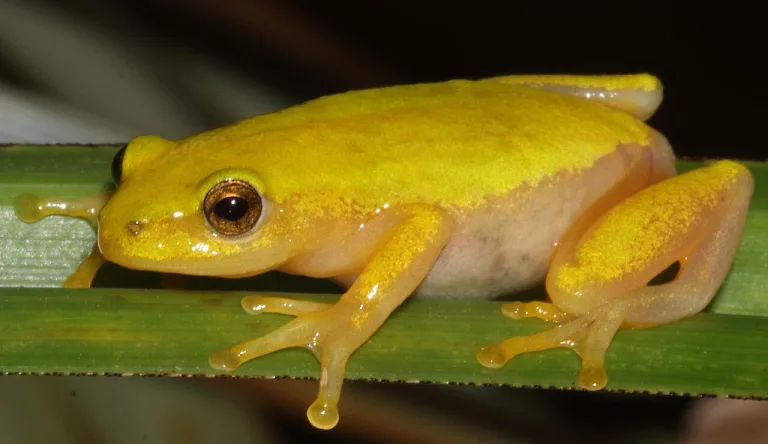
Pickersgill’s Reed Frog/Dylan Leonard/Wikimedia Commons
KwaZulu-Natal’s forests and grasslands also provide habitat for samango monkeys and oribi, although neither species is exclusive to the province.
Limpopo: Forests and fishing owls
Limpopo’s northern forests and river systems offer an entirely different wildlife experience. Narina trogons can be found in mature forests, while Pel’s fishing owl is one of the province’s most sought-after bird sightings.
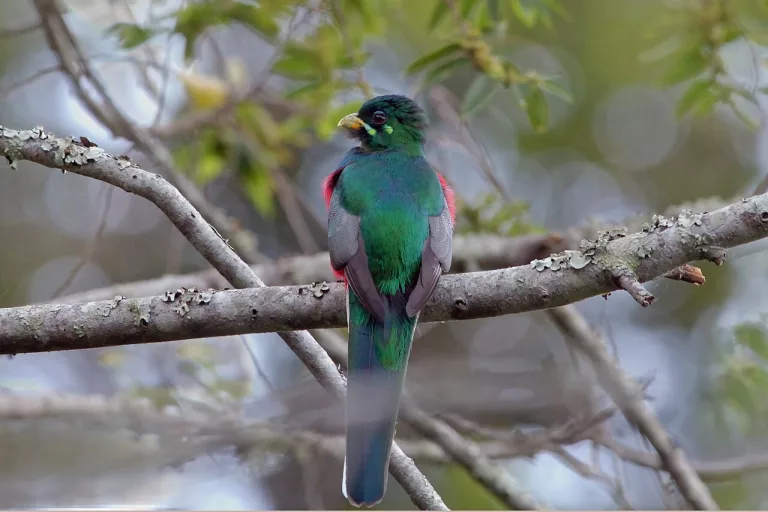
Narina Trogon/Patty McGann/Wikimedia Commons
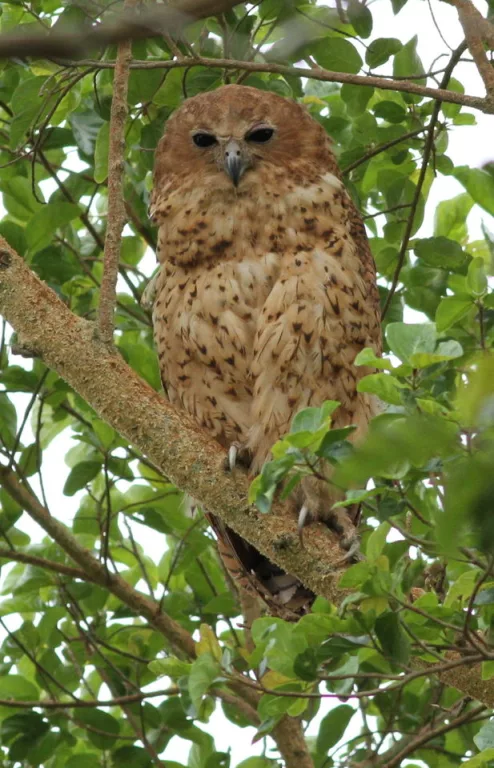
Pel’s fishing owl/Derek Keats/Wikimedia Commons
The latter is particularly associated with large rivers and woodland habitats, where its dependence on healthy aquatic ecosystems makes it an indicator of river health.
Mpumalanga: Ancient mountains, unusual species
The Barberton Makhonjwa Mountains are best known for their extraordinary geological history, but the region is also biologically distinctive. Its rugged terrain and isolated habitats support specialised reptiles and other species adapted to the area’s unique conditions.
The nearby Barberton daisy adds another layer to the story. Technically a plant rather than wildlife, it demonstrates why biodiversity hotspots cannot be divided neatly into animals and scenery. Protecting one unusual landscape can safeguard an entire community of life.
Free State: Search the grasslands
The grasslands of the Free State may lack the visual drama of mountains and forests, but they support some remarkably specialised species.
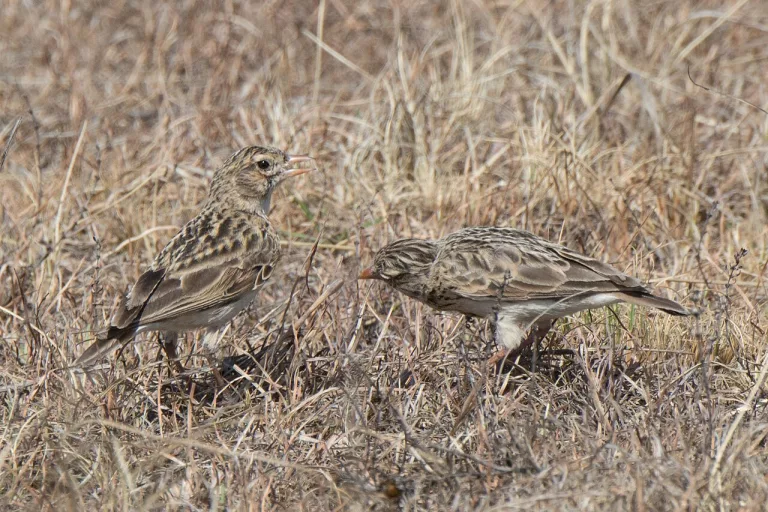
Botha’s lark/William Stephens/Wikimedia Commons
Botha’s lark is one of the province’s rarest birds. Its distribution extends into southeastern Mpumalanga, so it is not technically a Free State endemic, but the eastern Free State remains an important part of its restricted range. Habitat transformation and unsuitable land use have contributed to its decline.
Why endemic species matter
Endemic and highly localised species are ecological specialists. If their habitat disappears, they often have nowhere else to go. Their survival therefore depends on protecting particular wetlands, mountains, forests, rivers and grasslands.
For travellers, the lesson is simple: wildlife watching is not only about finding the biggest animal. Sometimes the most rewarding sighting is the one that exists nowhere else quite like it.
Ethical wildlife viewing
Keep your distance, stay on designated routes and never handle, feed or deliberately disturb wildlife. For sensitive species, especially frogs and reptiles, avoid turning a sighting into a chase. A photograph is not worth damaging habitat.
Citizen science
Travellers can also contribute to conservation by recording sightings responsibly. iNaturalist allows users to document plants and animals, with observations contributing to biodiversity knowledge and research.
Follow us on social media for more travel news, inspiration, and guides. You can also tag us to be featured.
Instagram | Facebook | Twitter | Spotify
ALSO READ:
South Africa’s Kruger named the best safari destination for the end of the year