


Sasol steps in to keep South African skies open
South African travellers can breathe a little easier. As the war in the Middle East rattles global aviation, Sasol has confirmed that it has enough jet fuel to keep local airlines in the air, at least in the short term.

Sourced: X{@SABCNews}
According to Money Web, the conflict has put extraordinary pressure on oil supply routes, particularly the Strait of Hormuz, sending crude prices soaring to around $112 per barrel since late February. International carriers are already warning of fuel shortages that could trigger flight cancellations in the coming weeks, especially during the Easter peak travel period.
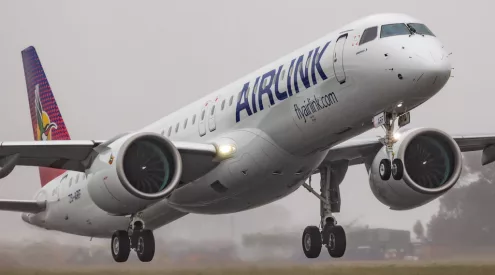
Locally, airlines including FlySafair, Airlink, and South African Airways (SAA) have already added temporary surcharges to fares to offset rising costs. But with Sasol’s current reserves and contingency plans, domestic air travel looks stable for now.
Diversifying supply and planning for the unknown
Sasol spokesperson Alex Anderson says the company is sourcing crude from ports outside the Persian Gulf and is exploring “reasonable alternatives” if the situation worsens. Government sources confirm ongoing talks with oil companies to avert potential supply crises, though experts note that jet fuel in South Africa operates in a free-market system, unlike regulated petrol prices.
Aviation expert Linden Birns highlights the delicate balancing act: “It’s tricky. You want government support if costs spiral, but the market needs to respond naturally, too.”
A silver lining for tourism and travel
Despite the uncertainty, South Africans aren’t cancelling flights in droves. Asata CEO Otto de Vries reports that most travellers are postponing rather than abandoning trips, with forward bookings for the rest of 2026 holding strong. Travel advisors are helping clients navigate fare waivers and rerouting options, ensuring holidays go ahead even if schedules shift.
“The Middle East situation has caused some reroutes and operational tweaks, but we’re not seeing a decline in demand,” adds Carmen Hidalgo of Corporate Traveller. “Clients are choosing alternative routes and airlines rather than cancelling.”
Destinations like South Africa, Bali, and European hubs could even see opportunities as travellers reroute away from Gulf stopovers. Airlines are adjusting to fill gaps left by reduced schedules in Dubai, Doha, and Tel Aviv, with Emirates scaling back flights to King Shaka International Airport and Qatar Airways temporarily pausing direct flights to South Africa.
What this means for travellers
- Ticket prices may rise as airlines manage fuel costs and reduced hub capacity.
- Flight paths and stopovers may change—expect longer journeys and alternative routes.
- Holiday plans are generally safe as long as travellers stay in touch with airlines or travel agents for updates.
In short, South Africa’s airlines are keeping passengers flying despite international turbulence. Thanks to proactive fuel management by Sasol and clear communication from carriers, travellers can still plan trips with confidence—but flexibility remains key.
Source: Moneyweb
Follow us on social media for more travel news, inspiration, and guides. You can also tag us to be featured.
TikTok | Instagram | Facebook
ALSO READ: