

There is a noticeable shift in how the world is travelling right now. Less rush, fewer packed itineraries, and a lot more intention. And South Africa is quietly becoming one of the biggest beneficiaries of that change.

Source: Hub & Spoke
According to Bizcommunity, between January and October 2025, more than 8.56 million international visitors arrived in the country. That is a jump of 1.3 million compared to the same period the year before. October alone saw a sharp 32 percent increase, a sign that interest is not just returning; it is evolving.
But it is not just about numbers. It is about how people are choosing to experience the country.
The rise of meaningful travel
There was a time when luxury meant five-star hotels and packed sightseeing schedules. Now, travellers are redefining that idea completely.
Today’s visitors are staying longer and choosing experiences that feel real. They want to understand places, not just pass through them. European arrivals are up by 29 percent and North American travellers have increased by 22 percent, with many opting for extended stays that allow for deeper engagement.
This is where South Africa stands out. From its layered cultural history to its vast natural landscapes, the country offers exactly the kind of immersion travellers are searching for.
Quiet escapes are becoming the new luxury
The buzzword making rounds in travel circles is “quietcations.” It is less about ticking off attractions and more about switching off completely.
Digital burnout is playing a big role here. People are actively seeking spaces where notifications do not matter and time slows down. Remote, nature-rich destinations are seeing renewed interest as a result.
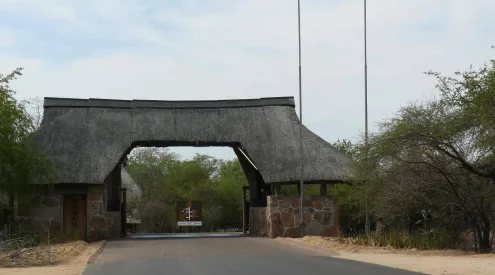
Places like bushveld reserves near Pilanesberg are drawing visitors who want to reconnect with nature. Think guided bush walks, birdwatching, canoeing, and cycling rather than rigid schedules. The appeal is simple. You move at your own pace, and the experience unfolds naturally.
Wellness travel finds its footing in nature
Another layer to this shift is wellness. Not the spa-heavy, luxury retreat kind, but something quieter and more grounded.
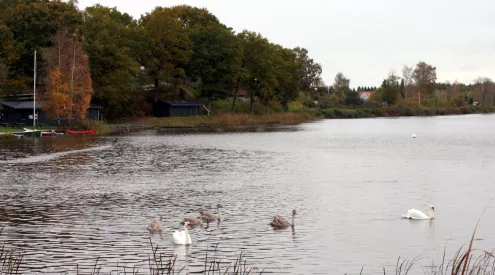
Travellers are increasingly drawn to practices like nature bathing, a concept rooted in Japanese tradition that encourages spending mindful time in natural surroundings. In South Africa, this translates easily into long walks in open landscapes, silent moments by a dam, or simply sitting still in the bush.
There is a growing understanding that travel is not just about seeing new places. It is about how those places make you feel.
Sustainability is no longer optional
If there is one factor shaping decisions more than ever, it is sustainability.
Visitors are paying closer attention to how their trips impact the environment and local communities. They are choosing lodges that source locally, reduce energy use, and contribute to conservation efforts.
This shift is quietly reshaping the tourism industry. It is no longer enough to offer a beautiful setting. Travellers want to know that their presence adds value rather than taking away from it.
A different kind of connection
Scroll through travel content online, and you will notice the difference. Fewer selfies at landmarks, more slow videos of sunsets, wildlife, and quiet moments.
People are sharing experiences that feel personal rather than performative. And South Africa, with its wide open spaces and rich cultural depth, naturally lends itself to that kind of storytelling.
There is something compelling about a destination that allows you to pause. To take a breath. To feel like you have actually been somewhere, not just seen it.
The bigger picture
This shift towards slower travel is not just a passing trend. It signals a bigger change in how people value their time and experiences.
South Africa is not simply attracting more visitors. It is attracting travellers who want meaning, connection, and perspective. And in a world that rarely slows down, that might be the country’s most powerful offering yet.
Source: Bizcommunity
Follow us on social media for more travel news, inspiration, and guides. You can also tag us to be featured.
TikTok | Instagram | Facebook
ALSO READ:
Harties is still green: Why Hartbeespoort Dam’s crisis isn’t over