






Why flight prices are climbing in South Africa and what it means for travelers
South Africans have noticed it firsthand: booking a flight these days comes with a heavier price tag. While it might feel like local economic factors are to blame, the real story stretches far beyond the country’s borders. Instability in the Middle East and the resulting spike in global oil prices are sending ripple effects straight into South African pockets, most notably through the soaring cost of jet fuel.
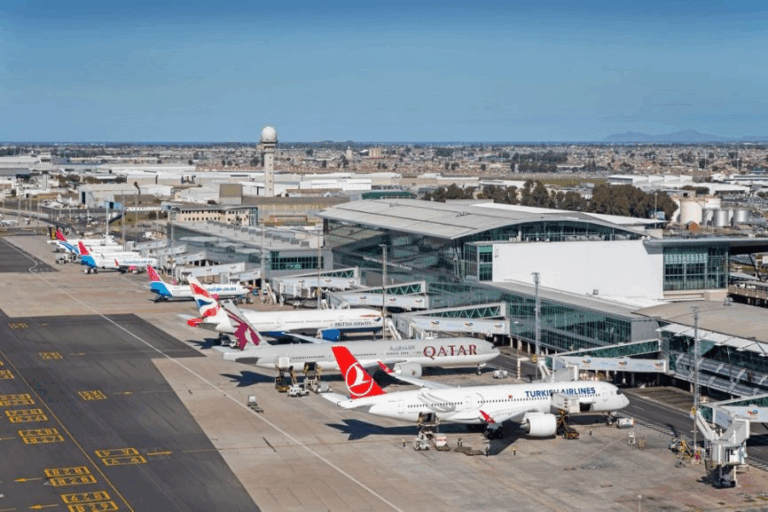
Sourced: X{@SABCNews}
How global tensions hit home
According to TTW, even though the conflicts stirring oil markets are thousands of kilometers away, their impact on South African travel is immediate. Airlines here import most of their fuel, so when crude prices jump due to geopolitical unrest, the cost of flying climbs right along with it. A ticket from Johannesburg to Cape Town or Durban may seem like a domestic decision, but it’s tied to international events that most passengers barely notice until they see their receipt.
Jet fuel: the hidden culprit behind high fares
Fuel is one of the largest costs for airlines—around 30% to 40% of operating expenses. When prices spike, carriers like FlySafair, Airlink, and SAA feel the squeeze. While strategies like fuel hedging and efficiency measures help, they can’t absorb indefinite increases. The result? Travelers see higher surcharges and ticket prices, often with little warning.
The changing face of domestic travel
For years, low-cost carriers made domestic travel accessible for work trips, weekend getaways, or visits to family. But rising fares are reshaping habits. Social media is buzzing with frustration from passengers, many of whom are opting for road trips or postponing trips entirely. For those still flying, early bookings are becoming a must to lock in fares before they climb further.
Tourism feels the pinch
The effects aren’t limited to airlines. Tourism operators across the country—from Karoo guesthouses to Durban beachfront resorts—are seeing travelers rethink plans. Rising travel costs dampen spontaneous getaways, affecting hospitality, transport, and entertainment businesses. In a country where tourism sustains jobs and contributes billions to the economy, even modest shifts in travel behavior can have a big impact.
What travelers can do
Airfares will largely follow global oil trends. If Middle East tensions ease, fuel costs may stabilise, bringing relief. In the meantime, South Africans can adapt by booking early, budgeting for higher costs, and remaining flexible with travel dates. Airlines are also investing in fuel-efficient planes and exploring alternative options, but these changes take time to reach passengers’ pockets.
Adapting to a new reality
Flying in South Africa is increasingly tied to global dynamics. What happens halfway across the world now directly affects the everyday traveler—from weekend plans to international trips. While this doesn’t signal the end of affordable travel, it does mark a new era where strategic planning, awareness of fuel surcharges, and flexibility are essential for anyone looking to take to the skies.
Source: TTW
Follow us on social media for more travel news, inspiration, and guides. You can also tag us to be featured.
TikTok | Instagram | Facebook
ALSO READ: