




For now, South Africa’s skies are clear of one looming threat. There is enough jet fuel to keep planes moving through the country’s busiest airports. But behind the scenes, a different pressure is building, and travellers may soon feel it in their wallets.
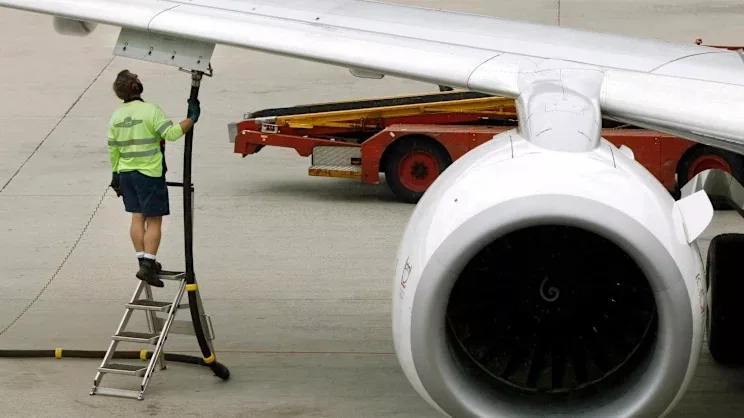
Source: The Sydney Morning Herald
According to eTNW, while supply remains steady, the cost of keeping aircraft in the air has climbed sharply, setting the stage for more expensive flights in the months ahead.
No shortage, but a growing cost burden
Across major hubs like OR Tambo International Airport and Cape Town International Airport, fuel reserves remain stable. Industry bodies have confirmed that supply lines are intact, supported by a mix of imports and local refinery production.
Even with geopolitical tensions in the Middle East and disruptions to global shipping routes, South Africa has managed to avoid shortages by diversifying supply channels and adjusting import logistics. Local production, particularly through Natref, has also helped keep things steady.
In simple terms, planes are not at risk of being grounded. But they are becoming more expensive to operate.
Why prices are rising so sharply
Jet fuel prices at coastal airports have surged by more than 145 percent. The increase is largely tied to global instability, particularly maritime blockades and tensions affecting key oil supply routes.
For inland airports, including those serving Johannesburg, similar price pressures are expected to take effect from early April.
This is where the story shifts from industry logistics to everyday impact.
What it means for travellers
Airlines are already absorbing some of the rising costs, but there is a limit to how long that can continue. Eventually, higher fuel prices filter through to ticket prices.
With the Easter period and school holidays approaching, demand is expected to spike. Airlines like FlySafair and Airlink have indicated they are prepared for the rush and do not anticipate fuel shortages.
However, they are also watching the situation closely. If high costs persist, travellers could see subtle changes such as:
- Fewer flights on less busy routes
- Adjustments to aircraft size on certain routes
- Gradual increases in ticket prices
It is not a sudden shock, but rather a slow squeeze.
Airlines balancing cost and connectivity
Airlines are not standing still. Behind the scenes, they are using pricing strategies and operational tweaks to stay afloat.
Some are hedging fuel prices to lock in costs for a period of time. Others are refining how and where they refuel across their networks to manage expenses more efficiently.
There is also a strong push to maintain connectivity, especially on thinner regional routes that many South Africans rely on. The goal is to avoid cutting access while still keeping operations sustainable.
A situation that could shift quickly
The aviation sector is describing the current moment as fluid. Much depends on how global conditions evolve in the coming months.
If tensions ease and supply routes stabilise, prices could level out. But if disruptions continue, the pressure on airlines and passengers will likely grow.
For now, South Africa finds itself in a delicate balance. There is no immediate crisis at the pumps, but the ripple effects of global events are quietly reshaping the cost of travel.
The bigger picture for South African travel
For many locals, flying has already become more of a planned expense than a spontaneous decision. Rising fuel costs could reinforce that shift, especially for domestic routes where price sensitivity is high.
On social media, travellers have already begun questioning fare increases, with some noting how quickly ticket prices fluctuate around peak periods. Others are calling for more transparency on how pricing is set.
What remains clear is that aviation does not operate in isolation. A conflict thousands of kilometres away can still influence the price of a flight from Johannesburg to Cape Town.
And as winter travel approaches, South Africans may need to budget a little more carefully for that next getaway.
Source: eTNW
Follow us on social media for more travel news, inspiration, and guides. You can also tag us to be featured.
TikTok | Instagram | Facebook
ALSO READ:
Medical travel chaos hits South Africans as Middle East routes unravel