





September is Heritage Month in South Africa, a moment to reflect on the diverse cultural threads that make up the nation’s fabric. But heritage doesn’t only live in archives or museums, it also exists in the landscapes, routes, and pathways shaped by centuries of movement, migration, and memory.

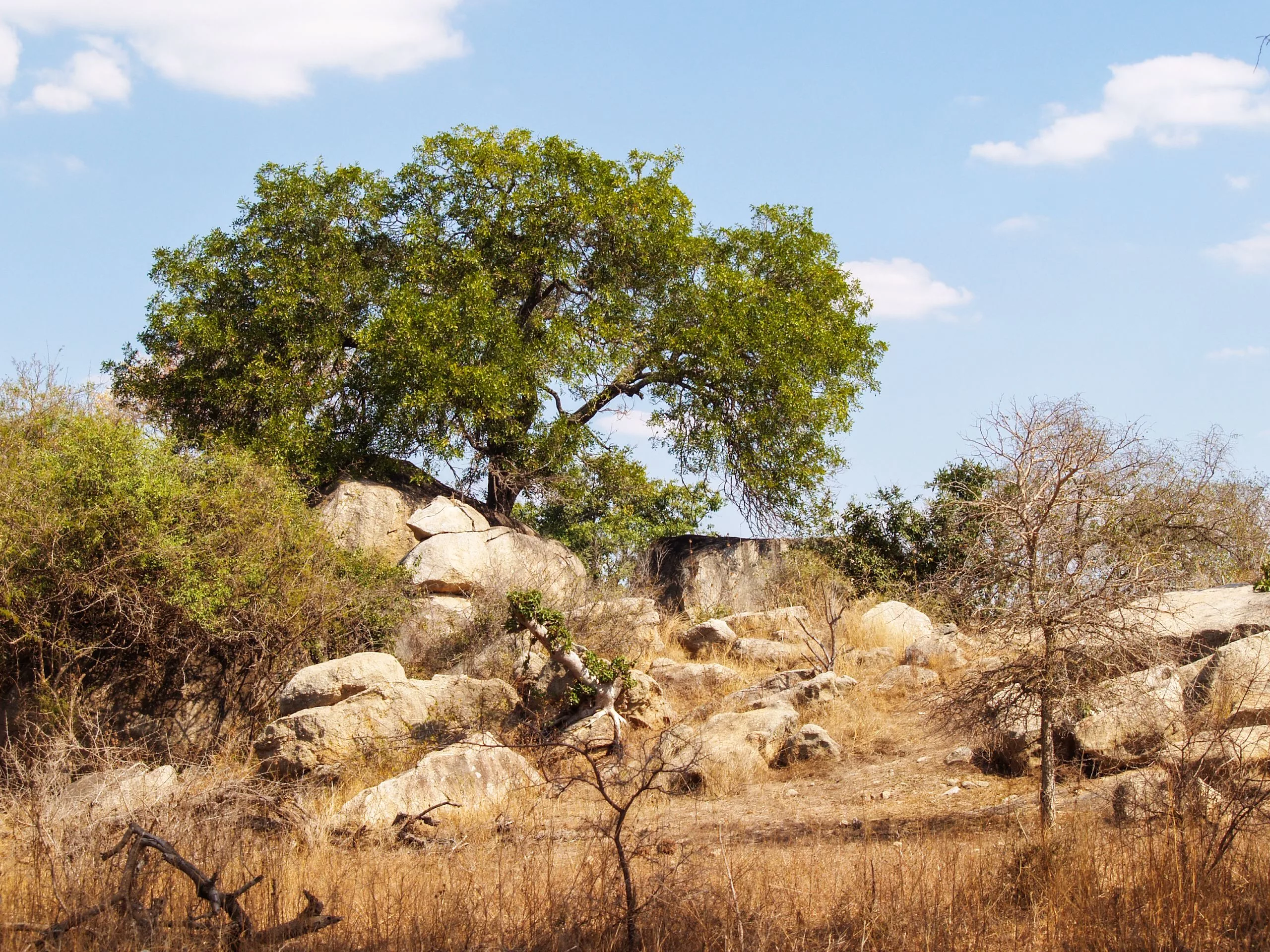
Drakensberg Mountains / Ethan Strydom / Unsplash
Across the country, trails tell stories of ancient communities, freedom struggles, and enduring traditions. Hiking them offers more than just natural beauty; it’s a way of walking directly into history.
Here are some of South Africa’s most remarkable heritage trails that let you combine the great outdoors with a deeper appreciation of the past.
The Battlefields Route, KwaZulu-Natal
Few places in the world hold as much concentrated military history as northern KwaZulu-Natal. The Battlefields Route encompasses over 80 historical sites linked to conflicts between the Zulu, British, and Boer forces during the 19th century. While many visitors explore by car, several walking trails allow for an intimate experience of the rolling hills where pivotal clashes unfolded. Guides often accompany hikes, recounting the strategies, victories, and tragedies of battles such as Isandlwana and Rorke’s Drift. For hikers, the landscapes themselves carry a haunting beauty that bridges past and present.
The Fynbos Trail, Western Cape
Although best known for its floral biodiversity, the Fynbos Trail near Stanford also connects hikers to heritage. Along its 26-kilometre route, walkers encounter ancient caves once used as shelters by Khoisan communities, as well as traces of early colonial farming. Interpretive guides explain the cultural significance of indigenous plants, from healing remedies to traditional food sources. September, when spring flowers erupt in bloom, is the perfect time to walk the trail and reflect on the interwoven stories of people and plants.
The Donkin Heritage Trail, Eastern Cape
In Gqeberha (formerly Port Elizabeth), the Donkin Heritage Trail weaves through the city’s historic heart rather than wild landscapes. Stretching just 5 kilometres, the urban walk links 47 sites that narrate the settlement’s growth from colonial outpost to modern city. Stops include the Campanile, erected in memory of the 1820 British Settlers, and the Donkin Reserve, with its striking stone pyramid. Though short, the trail offers a layered encounter with South Africa’s colonial history, architectural heritage, and evolving identity.
Robben Island Walks, Western Cape
Heritage trails need not be long to be powerful. On Robben Island, a UNESCO World Heritage Site, visitors are led on guided walks by former political prisoners. The routes include the lime quarry where Nelson Mandela and his comrades laboured, as well as paths between prison buildings where anti-apartheid leaders debated strategies that reshaped the nation. Every step is charged with meaning, underscoring how landscapes themselves can become living archives of struggle and resilience.
The Otter Trail, Garden Route
While most famous as one of South Africa’s premier coastal hikes, the Otter Trail is also steeped in heritage. Named after the elusive Cape clawless otter, the 45-kilometre route traces pathways once travelled by the Khoisan. Archaeological sites along the Tsitsikamma coastline reveal middens filled with shells, bones, and artefacts, offering glimpses into how early coastal communities lived. Hiking the Otter Trail is a five-day immersion not only in spectacular natural beauty but also in echoes of human history.
The Drakensberg Rock Art Trails, KwaZulu-Natal
The uKhahlamba-Drakensberg Park, a UNESCO World Heritage Site, is home to one of the world’s richest collections of San rock art. More than 35,000 paintings across caves and shelters depict spiritual rituals, hunting scenes, and everyday life dating back thousands of years. Several hiking routes, including those near Giant’s Castle and Cathedral Peak, lead to these rock art sites, where trained guides interpret the imagery. To stand before these artworks is to glimpse the worldview of the region’s earliest inhabitants, preserved in ochre and stone.
Freedom Park and Salvokop Trails, Gauteng
In Pretoria, Freedom Park is both a memorial and a place of reflection, dedicated to those who contributed to South Africa’s liberation. The landscaped gardens and trails around Salvokop Hill offer serene walking routes with panoramic views of the capital city. Along the way, visitors encounter memorial walls, symbolic architecture, and indigenous plants tied to healing and ritual. It’s an accessible heritage trail that marries urban scenery with national remembrance.
Stepping Into Stories
South Africa’s trails invite us to think of heritage not as something static, but as a living dialogue between land, memory, and people. Whether it’s the ancient San rock art of the Drakensberg, the political echoes of Robben Island, or the floral-cultural blend of the Fynbos Trail, walking these routes allows us to carry history underfoot.
This Heritage Month lace up your boots and choose a path that connects you not only with nature but also with the stories that shaped the nation.
Follow us on social media for more travel news, inspiration, and guides. You can also tag us to be featured.
TikTok | Instagram | Facebook | Twitter
ALSO READ: South Africa’s oldest buildings you can still visit