




Every April, more than 30 000 runners arrive in Cape Town to take on the iconic Two Oceans Marathon and Half Marathon. They come prepared. Training plans are complete, nutrition has been fine-tuned, and taper weeks have been carefully executed. Then comes the final variable many athletes underestimate: where they stay.

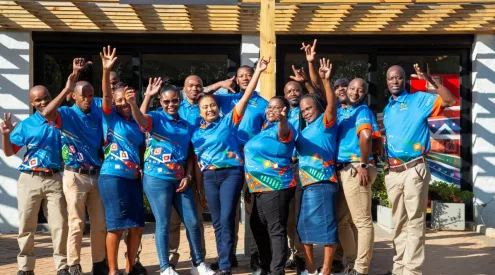
Image: Supplied
Increasingly, performance experts and hospitality professionals agree that race outcomes can be influenced long before runners reach the start line. For travelling athletes, the hotel experience can either support months of preparation or quietly undermine it.
Travel fatigue starts immediately
Research shows sleep efficiency drops by more than 22% on travel days and remains nearly 13% below normal the following night. For runners flying into Cape Town, recovery time begins shrinking the moment they land.
The effects extend beyond simple tiredness. Disrupted circadian rhythms can affect insulin sensitivity, reducing the body’s ability to regulate glucose during endurance events lasting several hours. Jet lag is also strongly linked to gastrointestinal distress, the most common reason ultra-distance runners fail to finish races, cited more frequently than injury or muscle fatigue.
Paul Rivett, General Manager of Radisson Hotel Foreshore Cape Town, has observed the pattern repeatedly.
“Many athletes don’t realise how much travel costs them physiologically,” he explains. “They spend months building fitness, then lose a small but meaningful percentage simply because they didn’t sleep well or couldn’t follow their routine.”
A hospitality model not designed for performance
Traditional hotel offerings rarely align with athletic needs. A standard stay typically includes a small gym, fixed breakfast hours and rooms designed for convenience rather than recovery.
“A buffet is built for volume and flexibility,” says Rivett. “Athletes may need precise carbohydrate intake at a very specific time before a race. Those are completely different requirements.”
As sports tourism grows and now accounts for an estimated 10% of global tourism spending, hotels are beginning to recognise an emerging category of guest: the performance-focused traveller.
Small operational shifts, big performance gains
According to Rivett, creating a race-ready hotel does not require major renovations. Success lies in operational detail.
Simple adjustments can make a measurable difference:
- Earlier kitchen opening times on race mornings
- Quiet spaces away from late-night bar noise
- Secure early-morning gear storage
- Staff awareness of race schedules and logistics
Nutrition remains one of the biggest gaps. Race week follows a predictable rhythm centred on carbohydrate loading, hydration and digestive stability. Yet few hotels adapt menus or service hours accordingly.

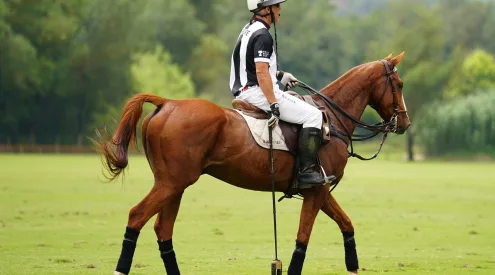
Image: Supplied
“A runner might need plain rice, eggs or simple carbohydrates at 4:30am,” Rivett says. “Most hotels can technically provide that. They just haven’t planned for it.”
Sleep: the overlooked performance factor
Sleep quality is another critical element. A 2024 Global Wellness Institute survey found that 63% of travellers sleep worse away from home, citing noise, lighting and bedding as primary issues.
For athletes, these are not minor inconveniences but performance variables. Room allocation, blackout curtains and reduced noise exposure can directly influence recovery and race readiness.
Rethinking the hotel spa
Hotel spas are also undergoing a quiet repositioning. Traditionally marketed as luxury experiences, they are increasingly viewed by athletes as recovery facilities.
“A sports massage before a race or deep tissue treatment afterward isn’t indulgence,” Rivett explains. “It is functional recovery.”

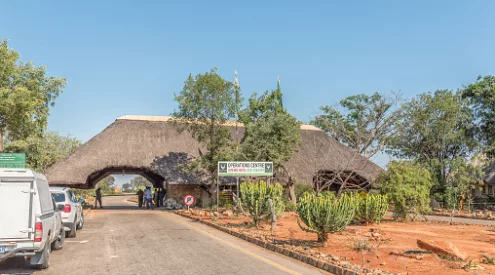
Image: Supplied
Most hotels already have the infrastructure. The shift lies in training therapists to understand athletic recovery and offering treatments aligned with muscle repair and post-race rehabilitation.
Post-race recovery is equally important. Ice baths, compression therapy and soft tissue work help athletes return to normal mobility far faster after endurance events.

Image: Supplied
The details athletes notice most
Ultimately, Rivett believes athletes respond to intention.
“It’s the small signals,” he says. “Does breakfast start at 4am? Is there a race map at check-in? Does reception know the event schedule? Those details tell guests whether a hotel understands their needs.”
Three questions to ask before booking race accommodation
Rivett recommends athletes ask hotels a few key questions before confirming a stay:
1. What is your race-morning food strategy?
Confirm early breakfast options or grab-and-go meals to avoid last-minute food stress.
2. Can you allocate a quiet room?
Request placement away from elevators, traffic and nightlife areas to protect sleep quality.
3. How flexible are post-race arrangements?
Check for secure gear storage, showers after checkout and late departure options.
As endurance travel continues to grow, hotels are becoming more than places to sleep. For many athletes, they are now an essential part of race strategy, a final training partner waiting at the finish line.
Follow us on social media for more travel news, inspiration, and guides. You can also tag us to be featured.
TikTok | Instagram | Facebook | Twitter
ALSO READ: