




The Richtersveld is easy to describe as a desert, but if you look closer, the landscape reveals far more than mountains, sand, and heat.
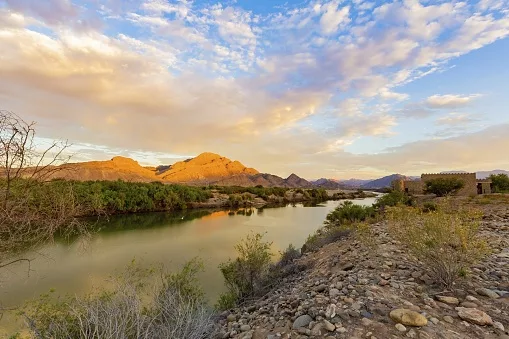
Sunrise over the Orange River in the Richtersveld National Park/By: imageBROKER/Michael Turner/Getty Images
In South Africa’s far north-western corner, the Orange River cuts through rugged mountains, tiny succulents grow among the rocks, and morning fog brings precious moisture to an otherwise extremely dry landscape. The region is also home to the Nama people, whose semi-nomadic pastoral traditions have shaped the landscape for centuries.
The Richtersveld Cultural and Botanical Landscape, which covers about 160,000 hectares, was declared a UNESCO World Heritage Site in 2007. Its significance lies not only in its remarkable plant life but also in its living cultural heritage, including seasonal grazing practices and traditional portable haru oms, or rush-mat houses.
A 48-hour visit is enough to get a taste of this extraordinary landscape, provided you embrace the remoteness and resist the urge to rush from one attraction to the next.
Day one: Mountains, succulents and a landscape shaped by people
Start at Sendelingsdrif
Sendelingsdrif is the main South African entrance to the |Ai-|Ais/Richtersveld Transfrontier Park and a useful starting point for exploring the area.
The journey here is part of the experience. Springbok, the nearest substantial commercial centre, is more than 300km away, while the final approach from the N7 via Steinkopf, Port Nolloth and Alexander Bay includes a lengthy gravel section. Inside the park, roads are largely rough farm tracks and a 4×4 is required for many routes.
That remoteness is one of the reasons the Richtersveld feels so different from more accessible South African wilderness destinations.
Take your time after arriving. Rather than immediately chasing viewpoints, allow yourself to notice the details around the road: the rock formations, hardy plants and changing colours of the mountains.
Look closely at the plants
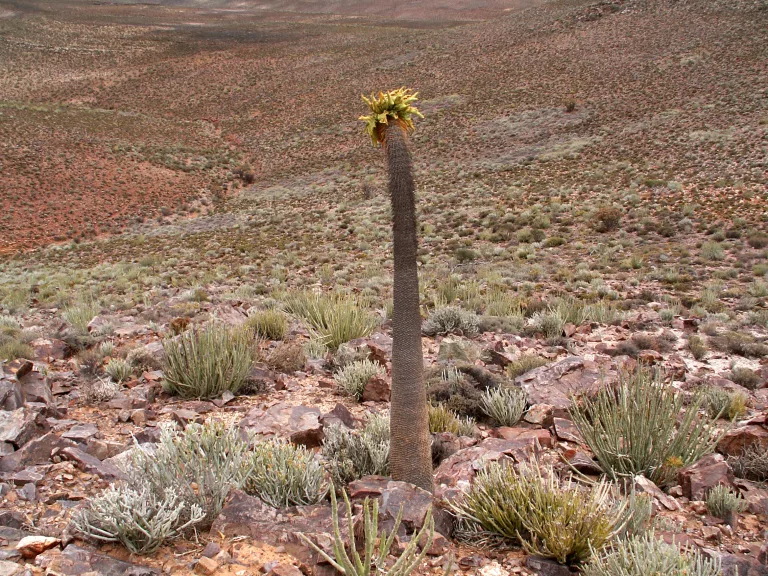
Halfmens in Richtersveld National Park/Winfried Bruenken (Amrum/Wikimedia Commons
The Richtersveld may look barren from a distance, but it is one of the world’s great succulent landscapes.
SANParks describes the area as supporting an extraordinary diversity of desert flora, including the distinctive halfmens, quiver trees and aloes. Morning fog rolling inland from the Atlantic provides valuable moisture for plants and animals in this exceptionally dry environment.
The halfmens is one of the Richtersveld’s most recognisable plants. Its unusual upright form has inspired its name, while its presence adds an almost other-worldly quality to the mountain landscape.
Instead of simply photographing the biggest plants, look down as well. Tiny succulents and miniature rock gardens can appear between stones and on rocky slopes, turning what initially seems like an empty landscape into a surprisingly busy botanical world.
Follow the mountains
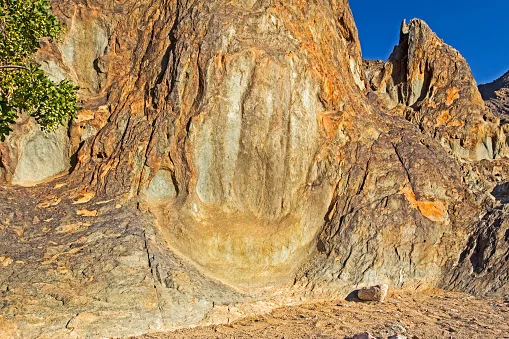
Eroded rock that appears to have a hand imprint known as Hand of God, Richtersveld/By: geoffsp/iStock
The Richtersveld is a mountain desert, with rugged peaks, rocky valleys and dramatic formations stretching inland from the Orange River.
A scenic drive is one of the best ways to experience this changing terrain. Stop where it is safe to do so, switch off the engine and let the silence become part of the experience.
One unusual landmark to look out for is the Hand of God, a rock formation near Sendelingsdrif that has become one of the park’s recognisable sights.
The landscape also reveals its age through archaeological evidence. SANParks notes that human habitation in the region goes back thousands of years, with evidence at Die Toon near Tatasberg dating to about 2200 BC. Animal remains at Kokerboomkloof also show that species such as springbok, zebra and klipspringer were present thousands of years ago.
Stay somewhere close to the landscape
Accommodation in the park ranges from basic campsites to more comfortable wilderness camps.
Potjiespram Camp Site sits beside the Orange River, while Tatasberg Wilderness Camp is positioned within sight of the river. Gannakouriep Wilderness Camp is set in a rocky valley and offers equipped chalets with solar-powered lighting and gas geysers.
For a 48-hour trip, staying inside or close to the park makes more sense than spending hours driving in and out each day.
Watch the stars
Once the sun disappears, the landscape changes again.
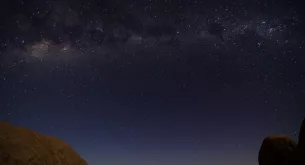
The absence of city lights makes the Richtersveld particularly suited to stargazing. SANParks highlights the area’s night skies as one of its experiences, and the combination of rugged mountains, silence and darkness makes simply sitting outside after dinner worthwhile.
There is no need to over-plan this part of the trip. Find a safe spot, switch off the lights and look up.
ALSO READ:
The new Western Cape road trip connecting Piketberg’s farms, mountains and forgotten corners
Day two: Follow the Orange River and discover Nama heritage
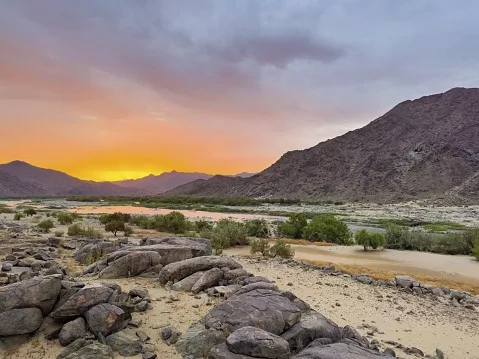
View of the Orange River at sunset from Tatasberg campsite/By: imageBROKER/Michael Turner/Getty Images
Start beside the Orange River
After a day dominated by dry mountains, the Orange River provides an unexpected change of scenery.
The river forms part of the northern boundary of the park, bringing a ribbon of greenery and wildlife through the otherwise arid landscape. SANParks lists river-based activities, fishing and paddling, among the ways visitors can experience this part of the park.
A morning beside the river is also a good opportunity to slow down. Have breakfast, enjoy a picnic or simply sit beside the water and watch the landscape reflected in the river.
The contrast is striking: bare mountains rise behind vegetation growing close to the water, showing just how important the river is in this dry corner of the country.
Learn about the Nama connection to the land
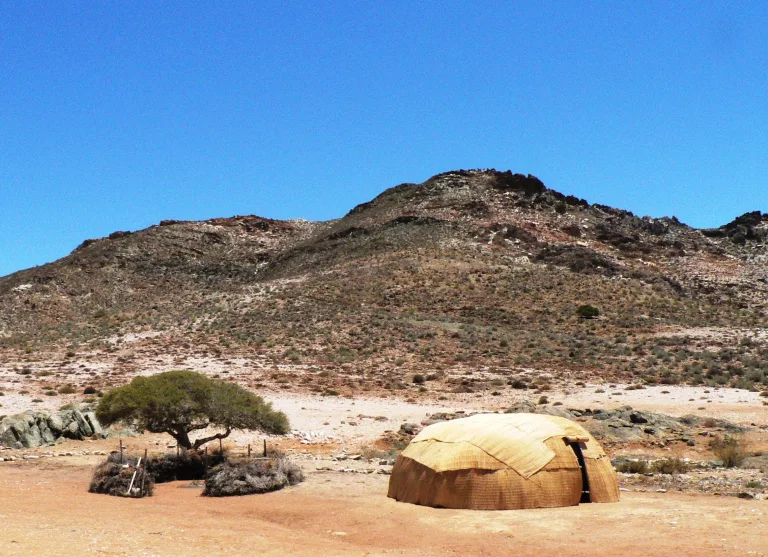
The matjieshut or |Haru Oms/Andrew Hall/Wikimedia Commons
The Richtersveld cannot really be understood without its people.
The area’s cultural landscape is closely connected to the Nama community and its traditional pastoral way of life. Seasonal movement between grazing areas and stockposts has been practised for generations, and UNESCO describes the tradition as having persisted for at least two millennia.
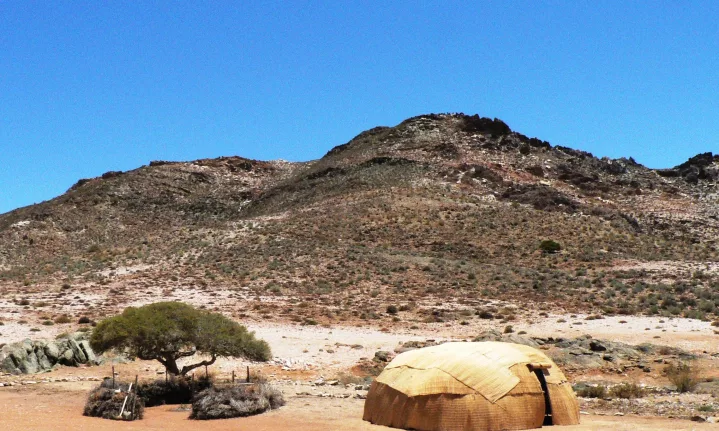
Traditional haru oms, portable houses made using a wooden framework and woven rush mats, are another distinctive part of this heritage.
The relationship between people and nature here is particularly interesting. Nama pastoral practices have helped shape the landscape while allowing the region’s succulent vegetation to persist. UNESCO recognises this interaction between traditional land management and biodiversity as one of the reasons for the area’s World Heritage status.
That makes the Richtersveld more than a wilderness that happens to contain traces of human history. Its cultural traditions are part of the landscape itself.
Take the slow route back
Use the final afternoon for another scenic drive rather than trying to squeeze in a long list of attractions.
The roads can be rough, sandy and mountainous, and SANParks recommends travelling in convoy on challenging routes. Sedan vehicles are not permitted inside the park, while overnight visitors are advised to arrive early enough to reach their camps before dark.
That makes the Richtersveld better suited to travellers who enjoy the journey as much as the destination.
Pause for photographs, look for birds and small animals, and keep an eye out for plants that become easier to spot once you know what you are looking for.
The Richtersveld is about more than empty space
Two days will not reveal everything the Richtersveld has to offer, but they can change the way you see a desert.
Here, dryness does not mean lifelessness. Fog becomes water. The Orange River becomes a green corridor. Succulents turn rocky slopes into botanical gardens. Mountains preserve evidence of ancient human occupation, while Nama traditions remain connected to the land.
It is this combination of nature and culture that makes the Richtersveld so distinctive.
Come for the dramatic desert scenery, but stay long enough to look closer.
Before you go
The Richtersveld is a remote wilderness and needs more preparation than an ordinary weekend getaway.
A 4×4 is essential for many routes within the park, and visitors should plan around the area’s rough roads, long distances and extreme conditions. SANParks advises overnight visitors to arrive before 16:00 so they can reach their camps before dark.
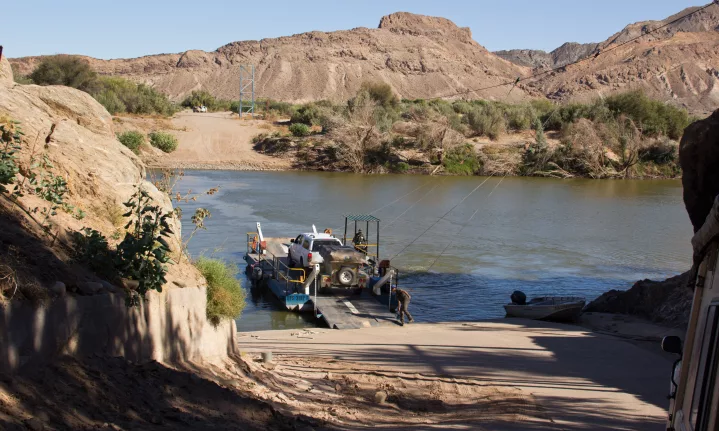
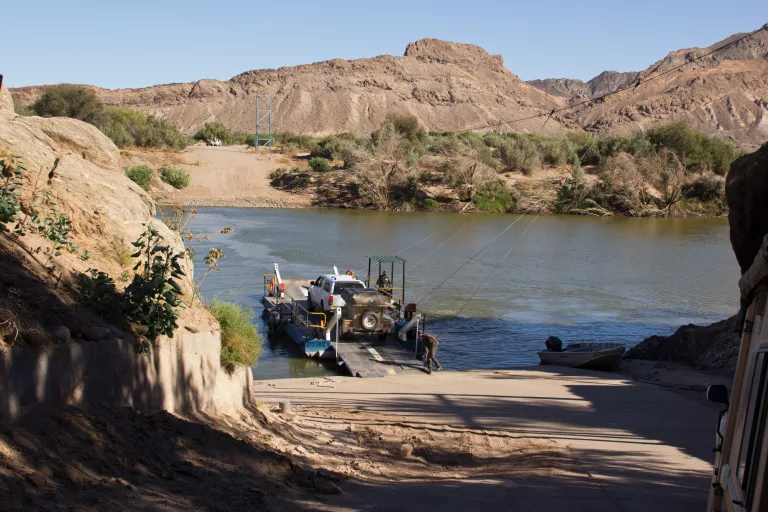
The park’s facilities and access arrangements can change, so check the latest SANParks information before travelling, particularly if your route involves the Orange River pontoon.
The nearest substantial commercial centre is Springbok, so stock up on essentials before heading into the wilderness. Most importantly, carry sufficient drinking water and treat the remoteness seriously.
The reward is a landscape where there is little between you and the mountains, river, stars and silence.
Follow us on social media for more travel news, inspiration, and guides. You can also tag us to be featured.
Instagram | Facebook | Twitter | Spotify
ALSO READ:
5 abandoned places across Southern Africa that you can still visit