



Tucked within the Cradle of Humankind landscape, just outside Krugersdorp, NIROX Sculpture Park offers a compelling intersection of art, nature and history.

Bret Rubin/Nirox Foundation/Facebook
More than a traditional gallery, NIROX functions as an evolving outdoor exhibition space and artist residency, where large scale sculptures are placed directly into the landscape. Art here is not confined by walls but shaped by light of the Highveld.
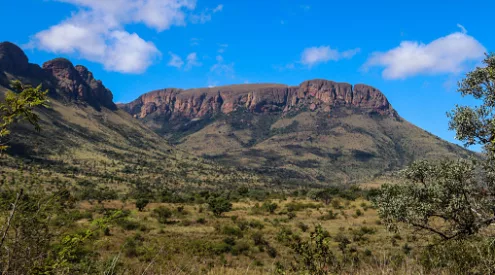
Set across a private reserve within the greater Cradle of Humankind, a Cradle of Humankind World Heritage Site, NIROX occupies a region already steeped in human history. Fossil discoveries in this area have reshaped our understanding of early hominid evolution, making the presence of contemporary art installations feel like a continuation of a much longer narrative about human creativity and expression.
An evolving outdoor exhibition
Founded in 2000, NIROX has grown into one of South Africa’s most significant sculpture parks. Its curatorial approach is distinctive. Rather than rotating exhibitions in enclosed spaces, works are installed across open grasslands, wetlands and pathways, encouraging visitors to explore the environment as part of the artistic experience.
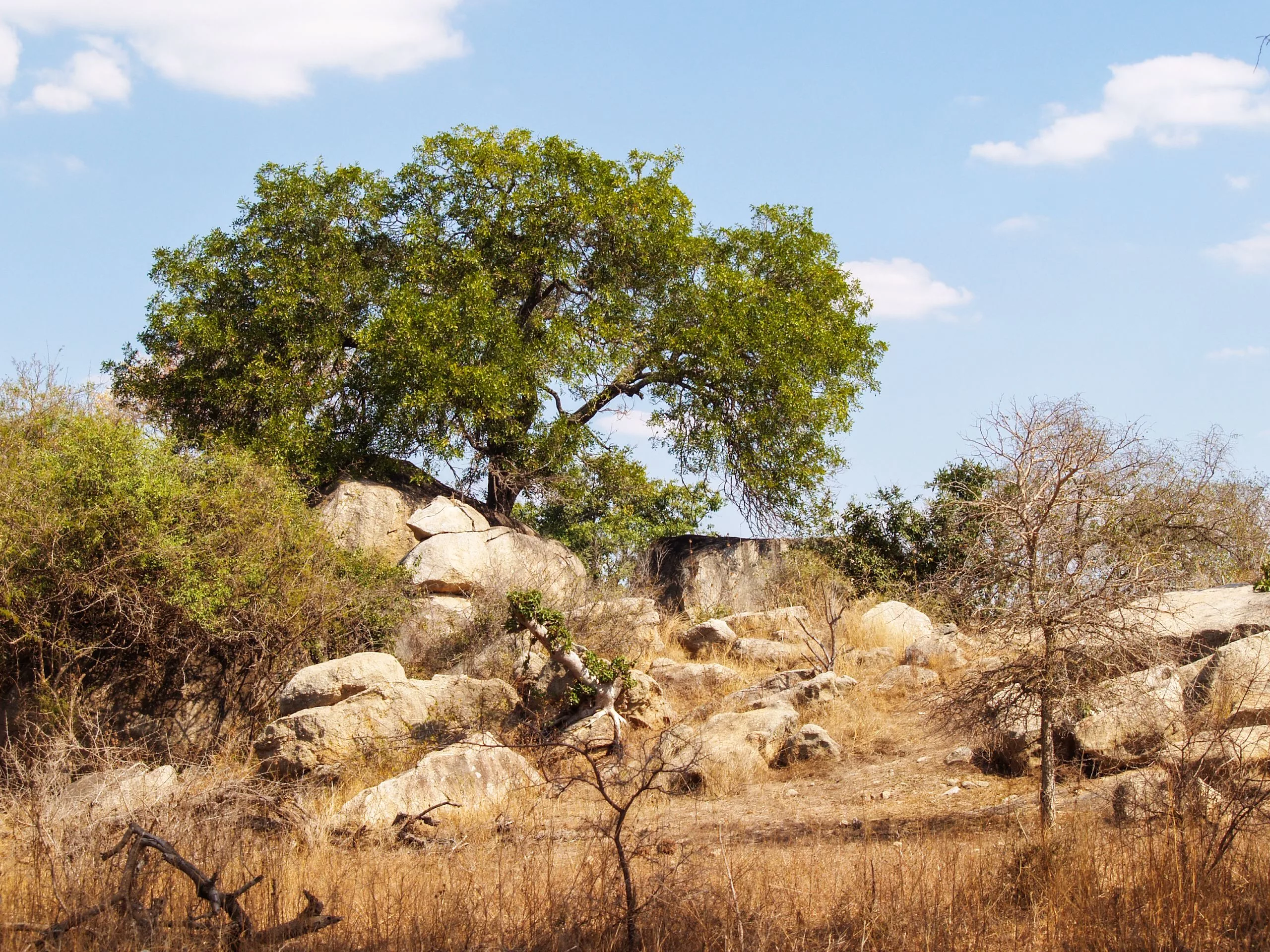
The sculptures themselves range widely in material and scale. Steel, stone, wood and mixed media pieces sit among indigenous vegetation, often interacting directly with their surroundings. Seasonal changes alter how each artwork is perceived. Summer rains bring lush greenery that softens the edges of metal forms, while winter’s dry tones create stark contrasts that emphasise structure and silhouette.
This integration of art and environment reflects a broader global movement in land art, yet NIROX remains rooted in a distinctly South African context. Many of the artists featured engage with themes of identity, memory, land and post colonial narratives. Their work resonates with the layered histories of the region, from pre colonial habitation to industrial development and modern urban expansion.
ALSO READ: A is for April but also for A__
The artist residency programme
At the core of NIROX’s philosophy is its residency programme, which invites both local and international artists to live and work on site. This aspect transforms the park from a static exhibition into a site of active creation.
Artists are encouraged to respond to the landscape, resulting in works that feel site specific and deeply considered. The residency fosters dialogue between artists, curators and the environment itself. Over time, this has built a collection that is both cohesive and diverse, reflecting multiple perspectives while maintaining a strong sense of place.
The programme has also contributed to South Africa’s contemporary art ecosystem by providing space for experimentation outside of commercial gallery pressures. For emerging artists, it offers visibility and mentorship. For established names, it provides an opportunity to work at a scale that is often not possible in urban gallery settings.
ALSO READ: Travel into the heart of rewilding with these 5 destinations
Visiting NIROX
A visit to NIROX is less about ticking off exhibits and more about immersion. The park is designed for slow exploration, with walking routes that guide visitors through different zones. Along the way, artworks appear gradually, sometimes framed by trees or reflected in water features.
The experience is deliberately unhurried. Visitors are encouraged to engage with each piece in context, considering how it interacts with its surroundings. This approach aligns with a broader shift in cultural tourism, where travellers seek meaningful and contemplative experiences rather than quick consumption.
NIROX also hosts seasonal exhibitions, events and performances, which add another layer to the visitor experience. These programmes often bring together music, poetry and visual art, reinforcing the park’s role as a multidisciplinary cultural space.
ALSO READ: 7 of Southern Africa’s natural training arenas
Other outdoor art spaces in South Africa
While NIROX is a standout, it forms part of a growing network of outdoor art destinations across South Africa.
In the Western Cape, the Dylan Lewis Sculpture Garden offers a different but equally immersive experience. Set within indigenous gardens near Stellenbosch, this space focuses on bronze sculptures inspired by the human form and wildlife. The layout emphasises harmony between art and the natural environment, with carefully designed pathways guiding visitors through themed sections.
Further along the Garden Route, the Tsitsikamma Art Route provides a more dispersed experience. Here, studios and installations are spread across small towns and rural landscapes, allowing visitors to engage directly with artists in their working environments.
In KwaZulu Natal, the KZNSA Gallery Sculpture Garden complements its indoor exhibitions with outdoor installations. This hybrid model highlights how public art can extend beyond gallery walls into shared urban spaces.
These destinations collectively point to a broader trend. Outdoor art is becoming an important part of South Africa’s cultural and tourism landscape. By situating artworks in natural or public environments, these spaces make contemporary art more accessible while encouraging deeper engagement with place.
Follow us on social media for more travel news, inspiration, and guides. You can also tag us to be featured.
TikTok | Instagram | Facebook | Twitter
ALSO READ: