




South Africa’s greatest natural moments often happen quietly. They unfold at dawn, on slow-moving water or beneath forest canopies where the human world feels distant.
These immersive experiences invite you to observe, listen and participate rather than rush through landscapes on a checklist. Each one offers a way to engage with nature on its own terms and to leave with a deeper understanding of the ecosystems that shape the country, writes Lee-Ann Steyn.
1. Birding at Bird Island Nature Reserve

Bird Island Nature Reserve/Octagon/Wikimedia Commons
Watching seabirds at eye level
Bird Island Nature Reserve in Lambert’s Bay is one of the most accessible seabird breeding colonies in the world. A short walk along the harbour breakwater leads directly to a viewing hide overlooking tens of thousands of Cape gannets. The air fills with the sound of calls and wingbeats as birds return from the ocean, tend to nests and defend their territory.
This proximity allows visitors to observe natural behaviour without boats or binoculars. The experience offers a rare insight into marine bird ecology and the fragility of coastal ecosystems, especially during breeding season from September to March.
2. Boat-based wildlife watching in the Wilderness Lagoon system

Gliding through one of the Garden Route’s richest ecosystems
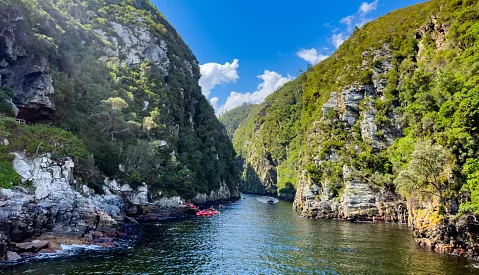
The interconnected lagoons and estuaries around Wilderness provide a slower way to experience wildlife along the Garden Route. Guided boat trips reveal a world of fish nurseries, reedbeds and birdlife, from African fish eagles to kingfishers skimming the water’s surface.
Moving quietly across the lagoon highlights the delicate balance between freshwater and saltwater systems. Early morning outings are particularly rewarding, with mist hanging low and wildlife at its most active. The emphasis here is observation rather than spectacle, making it ideal for travellers seeking calm, immersive encounters.
3. Dawn walks in Nkandla Forest
View this post on Instagram
Entering a mistbelt forest as it wakes
Nkandla Forest is one of South Africa’s most biodiverse indigenous forests, yet it remains largely off the mainstream travel radar. Guided dawn walks take place beneath towering yellowwoods as the forest comes alive with birdsong and filtered light.
Walking at first light increases the chance of spotting elusive forest species such as the Knysna turaco and African broadbill. The experience encourages attentiveness to sound, scent and subtle movement, offering a powerful reminder of how ancient and interconnected forest ecosystems are.
4. Estuary cruises in iSimangaliso Wetland Park

iSimangaliso Wetland Park/Martie Bloem/Unsplash
Sharing waterways with hippos and crocodiles
Boat safaris on the St Lucia Estuary provide an intimate way to experience one of Africa’s most important wetland systems. Cruises drift past pods of hippos, basking crocodiles and a remarkable variety of waterbirds, all within a UNESCO World Heritage landscape.
Being on the water reveals how wildlife uses space and resources in real time. Guides often focus on ecological storytelling, explaining how tides, rainfall and seasonal changes shape the lives of species that depend on the estuary.
ALSO READ:
Where to travel if you care more about landscape than activities
5. Marine wildlife encounters along the Cape coast
Meeting giants of the ocean
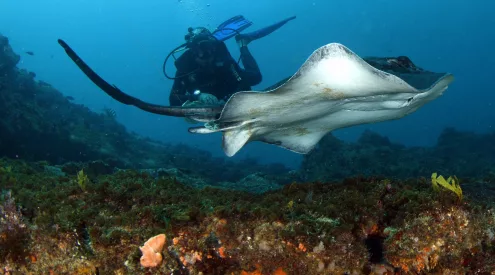
South Africa’s coastline offers world-class marine wildlife viewing, particularly during whale season between July and November. Boat-based trips from coastal towns along False Bay and the Southern Cape bring travellers within a respectful distance of southern right whales, dolphins and seals.
Seeing these animals from sea level changes perspective entirely. The scale of whales, the speed of dolphins and the rhythm of ocean swells highlight the power of marine environments and the importance of responsible wildlife tourism.
6. Wetland wandering at Rondevlei Nature Reserve

Rondevlei Nature Reserve/Bernard DUPONT from FRANCE/Wikimedia Commons
Discovering biodiversity inside the city
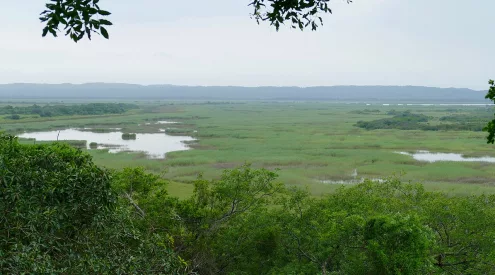
Rondevlei Nature Reserve proves that meaningful nature experiences do not require long drives or remote lodges. Situated within Cape Town, the reserve protects a vital wetland system home to more than 200 bird species.
Raised boardwalks and hides allow visitors to spend time observing waterbirds, amphibians and fynbos flora at close range. The reserve rewards patience, offering changing scenes with each visit and reinforcing the idea that conservation starts close to home.
Why its important to have these experiences
Slowing down to see more
These experiences share a common thread. Each one values time, stillness and respect for natural rhythms. Travelling slowly through wetlands, forests and coastal ecosystems encourages deeper appreciation and understanding, leaving travellers more connected to the landscapes they explore.
South Africa’s wild places reveal their true character when visitors are willing to pause, observe and engage. Those moments often linger far longer than any photograph.
Follow us on social media for more travel news, inspiration, and guides. You can also tag us to be featured.
TikTok | Instagram | Facebook | Twitter
ALSO READ:
4 inland valleys to visit in the Western Cape before summer ends



,_Kanus_an_der_K%C3%BCste_--_2024_--_1990.jpg)
.jpg)