






You do not need a game drive vehicle, a three-night booking or a packed safari itinerary to experience wild South Africa. In towns and cities across the country, estuaries, wetlands and quiet bird hides offer intimate wildlife encounters that unfold in a single morning, writes Lee-Ann Steyn.

Scotto Hide, Rondevlei Nature Reserve, Cape Town/Bernard DUPONT from FRANCE/Wikimedia Commons
Why estuaries and wetlands are perfect for a morning escape
Wetlands are among the most productive ecosystems on Earth. Estuaries, where saltwater and freshwater meet, create nutrient-rich habitats that attract fish, crabs and an astonishing variety of birdlife. Dawn and early morning bring cooler temperatures, softer light and peak bird activity, making this the ideal window for a gentle two-hour outing.
Accessibility is another drawcard. Many of these sites sit within urban boundaries or just beyond them. Boardwalks, bird hides, and flat walking paths make them suitable for families, beginner birders, and anyone seeking peace without logistical fuss.
1. Rondevlei Nature Reserve, Cape Town
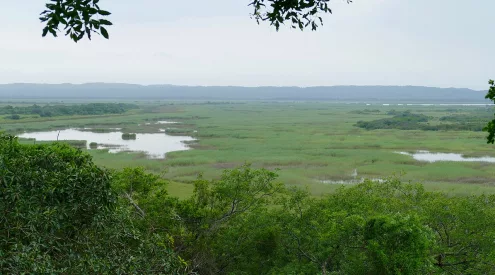
Set in Grassy Park, Rondevlei feels far removed from the city despite being firmly within it. The reserve centres around a large wetland framed by reeds and open water, with several bird hides and two viewing towers positioned for wide, uninterrupted views.
More than 200 bird species have been recorded here. African spoonbills sweep the shallows, pelicans cruise overhead, and herons stalk the margins. A small population of hippos adds an unexpected twist to the morning walk.
Arrive when the gates open and make your way quietly to one of the hides. Patience is often rewarded with close sightings as birds feed along the water’s edge.
2. Zandvlei Estuary Nature Reserve, Muizenberg
Zandvlei is the only functioning estuary along Cape Town’s False Bay coastline. Its shifting channels and sandbanks attract over 160 bird species throughout the year.
Wooden hides overlook calm stretches of water where terns skim the surface, and kingfishers perch on low branches. The estuarine landscape glows in early light, creating ideal conditions for photography. A gentle stroll along the paths reveals changing perspectives of reeds, open water and distant mountains.
Kayaks are sometimes visible in the distance, but mornings are typically quiet, offering a sense of calm that belies the surrounding suburbs.
3. Intaka Island, Century City
In the middle of a modern urban precinct lies Intaka Island, a restored wetland that proves conservation and development can coexist. Elevated boardwalks guide visitors through reedbeds to well-placed hides overlooking pans and channels.
More than 120 bird species have been recorded here. African purple swamphens step delicately across floating vegetation, while weavers busily construct nests in overhanging trees.
The circular trail can be comfortably completed in under two hours. City buildings rise in the background, yet the experience feels surprisingly secluded once you step into the reeds.
ALSO READ:
4. Rietvlei Wetland Reserve, Milnerton
Rietvlei forms part of the Table Bay Nature Reserve and combines freshwater pans with estuarine influences from the Diep River. Its open expanses often host large congregations of flamingos, especially in summer.
Flat paths make for easy walking, and several vantage points allow you to scan the water for ducks, grebes and waders. Early light reflects off the pans, turning the scene into a pastel canvas of pink and silver.
Bring a thermos of coffee and settle into a hide. The steady arrival of birds throughout the morning creates a quiet sense of anticipation.
5. Edith Stephens Wetland Park, Cape Town
Edith Stephens Wetland Park remains one of the city’s lesser-known green spaces. Boardwalks weave through sensitive habitat, leading to a dedicated bird hide overlooking the wetland.
This compact reserve suits a short, focused visit. Families can explore at an unhurried pace, and beginner birders will find plenty to keep them engaged. The reserve also plays a role in environmental education, reinforcing the importance of protecting fragile wetland systems.
A morning here feels restorative rather than ambitious, which is precisely its appeal.
6. Swartkops Estuary, Gqeberha
On the Eastern Cape coast, the Swartkops Estuary offers sweeping views and impressive birdlife without the need for permits or complex planning. Low tide exposes sandbanks that attract flamingos, sandpipers and plovers in large numbers.
Observation points along the river provide clear sightlines, and photographers often position themselves here at sunrise to capture reflections and silhouettes.
The combination of sea air, open sky and abundant birdlife creates a sense of space that contrasts with busier coastal attractions.
How to watch wildlife responsibly
Quiet observation lies at the heart of these experiences. Stick to marked paths and designated hides to protect sensitive vegetation and nesting sites. Keep voices low and avoid playing recorded bird calls.
Binoculars reduce the need to approach wildlife too closely. A simple field guide or birding app adds depth to the outing, transforming a walk into a learning experience.
Seasonal awareness enhances your chances of rewarding sightings. Spring and summer often bring migratory species, while winter can concentrate birds into smaller water bodies.
Small adventures, lasting impact
Wildlife encounters do not have to be dramatic to be meaningful. A single malachite kingfisher flashing across a still pan or the sight of flamingos feeding in synchrony can linger long after the morning ends.
Estuaries and wetlands invite a different kind of travel. They reward those who arrive early, tread lightly and pay attention. In a country famed for its safaris, these modest spaces remind us that wild moments are never far away.
Follow us on social media for more travel news, inspiration, and guides. You can also tag us to be featured.
TikTok | Instagram | Facebook | Twitter
ALSO READ:




_(44538724860).jpg)