



South Africa’s wild places are not only home to iconic species. They are also living archives of culture, memory and community. More travellers are searching for safaris that go deeper than wildlife viewing and offer a chance to connect with local stories, food traditions and ancient landscapes.

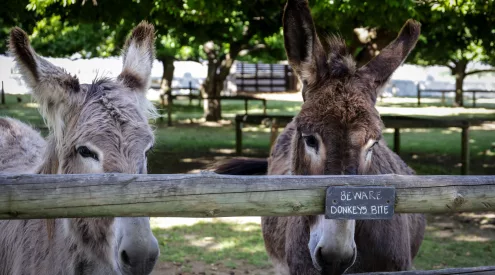
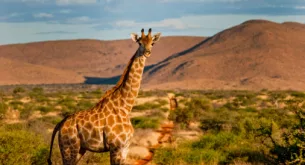
Image used for illustrative purposes/South African Tourism from South Africa/Wikimedia Commons
These game reserves bring nature and heritage together in ways that feel grounded, meaningful and culturally sensitive.
Why nature and heritage belong together
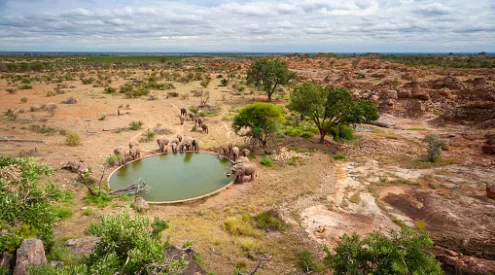
Across South Africa, conservation does not exist in isolation. It is intertwined with human stories, ancestral land rights and community custodianship. Visiting reserves that recognise this link allows travellers to experience the bush in its full context. It is one thing to watch elephants cross a valley. It is another to stand with a guide who grew up on that land and hear how these sightings fit into cultural teachings, healing practices or oral history.
This blend also empowers communities. In several reserves, tourism revenue directly supports education programmes, local craft groups, small farms and heritage preservation. When travellers choose these destinations, they support a model of tourism that keeps culture alive and strengthens conservation at the same time.
Rhino Ridge Safari Lodge in Hluhluwe iMfolozi combines wildlife with cultural immersion
View this post on Instagram
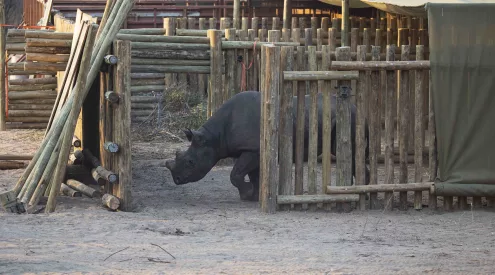
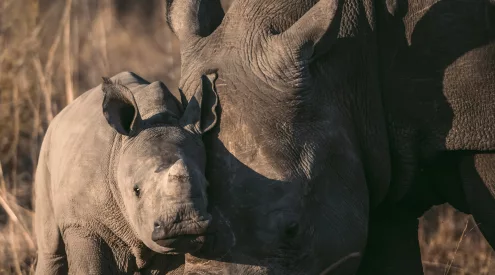
Rhino Ridge is known for strong wildlife sightings, guided walks and a focus on traditional plant knowledge. The lodge partners closely with the Mpembeni community, giving visitors a chance to step inside local life in a respectful, educational way. Guests can visit Zulu homesteads, meet artisans who create handwoven baskets and spend time with a sangoma who explains the role of ancestral guidance and medicinal plants. It is an emotional and grounding extension of what you see on drives through the oldest proclaimed game reserve in Africa.
Lepogo Lodges in Lapalala Wilderness connects big game with ancient human history
View this post on Instagram
Lepogo offers a quiet, low-impact safari experience in a vast wilderness that feels untouched. What sets it apart is the archaeological heritage that runs through the reserve. Guests can visit Iron Age settlements, see some of the oldest rock engravings in the region and understand how early communities interacted with the land. A guided heritage walk reveals stone ruins, animal motifs and sacred spaces that add depth to a classic safari itinerary.
Somkhanda Game Reserve highlights community ownership and ancestral land ties
View this post on Instagram
Somkhanda is one of the strongest examples of a community-owned Big Five reserve in South Africa. The Gumbi community regained their land through restitution and chose conservation as its future. Their stewardship is part of the visitor experience. Travellers learn about sacred sites, ancestral rituals and the long journey of transforming former farmland into a protected landscape. Wildlife viewing is excellent, and the cultural element is completely authentic because it is shaped by the community itself.
Sabi Sabi offers wildlife with meaningful Shangaan cultural encounters
View this post on Instagram
Within the Greater Kruger, Sabi Sabi has developed cultural experiences that focus on Shangaan traditions. Guests can visit local villages, watch craft demonstrations, taste traditional dishes and sit with healers who explain the spiritual connection between people and the natural world. These encounters are handled as educational exchanges rather than staged performances. They help visitors understand the social fabric that exists alongside one of Africa’s most biodiverse ecosystems.
How to choose a culture-rich safari responsibly
Not every cultural tour is created equally, which is why travellers should ask the right questions. Look for reserves where:
- The community leads the cultural experience
- Revenue flows directly back into local households and projects
- Visits happen in small groups to protect dignity and authenticity
- Experiences feel conversational rather than performative
- Conservation and culture are treated as equally important
These guidelines help ensure that travellers enjoy meaningful encounters while supporting ethical tourism.
How to plan your visit
- Cultural tours are usually offered as add-ons to a safari stay and can last from one hour to half a day.
- Book in advance, as availability depends on community schedules.
- Carry small cash if you want to support craft groups.
- Dress respectfully and be open to asking questions.
- The best time to combine wildlife viewing with cultural experiences is during the dry season, when game viewing is strong and rural activities are easier to access.
A safari that includes cultural heritage does more than fill an itinerary. It connects travellers with people who hold deep knowledge of the land. It brings together wildlife, history and identity in a way that leaves a lasting impression.
Choosing reserves that honour both nature and culture is a powerful way to travel with intention and to support the communities that keep Africa’s wild places alive.
Follow us on social media for more travel news, inspiration, and guides. You can also tag us to be featured.
TikTok | Instagram | Facebook | Twitter
ALSO READ: Shamwari unveils private air shuttle for faster Eastern Cape safari travel





.jpg)