




South Africa’s wild spaces are famous for lions, leopards, and sweeping savannas, but some of the country’s richest biodiversity thrives far from the spotlight.
Hidden within misty forests, seasonal wetlands, and quiet reserves are rare birds, secretive amphibians, and small mammals found nowhere else.
These overlooked corners reward those who slow down and look closer, revealing a gentler side of the wild that hums with quiet wonder.
1. Glencairn Wetland, Western Cape

Western Leopard Toad/Marius Burger, CC0, via Wikimedia Commons
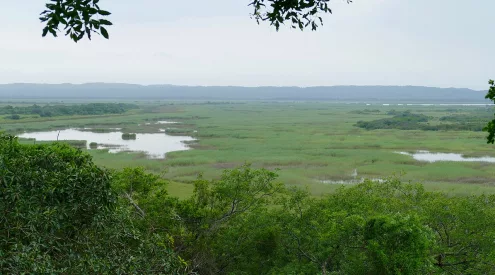
Tucked between Simon’s Town and Fish Hoek, this tiny 20-hectare wetland is often missed by travellers rushing down the Cape Peninsula. Yet, it hums with life, especially at dusk when the endangered Western Leopard Toad begins its haunting call. Boardwalk trails allow you to spot herons, cormorants, and even the occasional Cape clawless otter. It’s an urban wildscape that proves you don’t have to drive far for authentic encounters.
Best for: Birdwatching is easy, hearing the calls of frogs in late winter, and enjoying quick eco-friendly getaways near Cape Town.
2. Marutswa Forest, KwaZulu-Natal

Near Bulwer in the southern Drakensberg, Marutswa is a mist-belt forest filled with secrets. Wooden walkways take you through fern-draped ravines alive with the calls of the Narina trogon and the Cape parrot. Forest duiker and bushbuck hide in the understory, while rare chameleons cling to mossy trunks. With its cool air and cathedral-like trees, this is one of KwaZulu-Natal’s most enchanting birding and amphibian sites.
Best for: Bird photography, forest walks, and cool-weather hiking.
3. Mogalakwena River Reserve, Limpopo

Two bulls resting on the sandy bed of the Mogalakwena River near Magagamatala, Limpopo/JMK/Wikimedia Commons
Set along the banks of the Mogalakwena River, this 4 000-hectare reserve near Alldays offers a slower, quieter safari. Instead of lions and elephants, you’ll find elusive treasures like aardvarks, porcupines, and bush babies. Birders can tick off over 300 species, from lilac-breasted rollers to the shy Pel’s fishing owl. The reserve’s scientific camp and research museum add a meaningful conservation dimension for visitors.
Best for: Small-mammal viewing, nocturnal safaris, conservation stays.
4. Thomas Baines Nature Reserve, Eastern Cape
Ten kilometres west of Makhanda, Thomas Baines is one of the province’s most underrated gems. Its mix of grassland and thicket supports oribi, bushbuck, and mongoose, while over 175 bird species make it a year-round delight. Morning drives often reveal caracal or warthog on the move. The reserve’s compact size and picnic-ready viewpoints make it a convenient detour for those exploring the Frontier Country routes.
Best for: Affordable day safaris, self-drive birding, family picnics.
5. Tankwa Karoo National Park, Northern Cape

Large-billed lark/Derek Keats/Wikimedia Commons
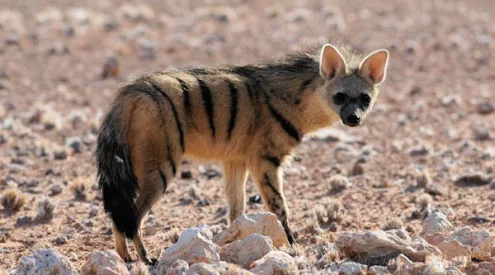
This is wilderness distilled to its essence. Far from cellphone reception and city noise, Tankwa’s stark plains and koppies are home to Karoo larks, black-eared sparrowlarks, and bat-eared foxes. After rain, frogs appear miraculously from dusty pans — a short-lived spectacle of amphibian life in one of the driest regions on earth. It’s a place where silence has texture, and every sighting feels like a secret shared.
Best for: Remote birding, stargazing, solitude seekers.
6. Hantam National Botanical Garden, Nieuwoudtville, Northern Cape

Bulbous plants flowering after rain at Hantam National Botanical Gardens/Nieuwoudtville Cape/Wikimedia Commons
Known as South Africa’s bulb capital, Nieuwoudtville bursts into technicolour every spring. But Hantam is more than a floral display — it’s a refuge for endemic birds, reptiles, and small mammals. Early mornings reveal steenbok darting between renosterveld shrubs, while Cape canaries and larks sing from the rocky slopes. Its remoteness means you’ll often have the trails — and the spectacle — to yourself.
Best for: Wildflower season (Aug–Sept), botanical photography, spring birding.
7. The Hidden Forest Wildlife Sanctuary, KwaZulu-Natal North Coast
View this post on Instagram
Between Ballito and Zululand, this privately run sanctuary protects thick coastal forest once threatened by development. It’s home to rescued primates and natural species like the blue duiker, thick-tailed bush baby, and bushbuck. The guided canopy walk offers immersive encounters with birds and butterflies flitting through dappled green light. It’s equal parts education and exploration — ideal for families seeking meaning in their adventure.
Best for: Family outings, forest canopy tours, ethical wildlife encounters.
8. Woody Cape Nature Reserve, Eastern Cape

Knysna turacos/Anton Frolich/Wikimedia Commons
Forming part of Addo Elephant National Park’s coastal section, Woody Cape combines ancient forest and rolling dunes. While elephants roam inland, the forest shelters smaller marvels — red duiker, bush pigs, and over 200 bird species. Birders flock here for Knysna turacos and forest canaries, but the real thrill lies in the whispering dunes, where you can walk for kilometres without another footprint in sight.
Best for: Birding and hiking, coastal photography, quiet escapes.
9. River Valley Nature Reserve, KwaZulu-Natal South Coast
View this post on Instagram
Nestled along the iVungu River, this small, family-run reserve is a haven for birders seeking an intimate experience. Trails wind through forest and grassland, revealing colourful sunbirds, African finfoots, and the occasional red duiker. With rustic chalets overlooking the valley, it’s one of those places you almost don’t want people to find out about.
Best for: Birdwatching weekends, eco-lodging, romantic nature stays.
10. De Mond Nature Reserve, Western Cape

Greater flamingos at De Mond Nature Reserve/Bernard DUPONT from FRANCE/Wikimedia Commons
Where the Heuningnes River meets the sea, De Mond offers a tranquil estuarine ecosystem that teems with life. Terns and plovers patrol the sandbars while frogs chorus from the reeds at dusk. It’s quieter than De Hoop or Agulhas yet equally rich in biodiversity. Trails lead to the river mouth, where birders and photographers linger for hours beneath endless blue skies.
Best for: Coastal birding, estuary walks, peaceful nature photography.
Why these places matter
Beyond the well-known Big Five and famous national parks, there exists another side of South Africa—one characterized by the calls of frogs, the flutter of feathers, and the rustling of a duiker in the fynbos. These smaller, “secret” sanctuaries serve as vital links in the web of biodiversity, safeguarding ecosystems that larger reserves may not fully protect.
Travelling to these locations not only alleviates pressure on major parks but also supports local guides, conservation volunteers, and community initiatives that sustain these wild areas.
Follow us on social media for more travel news, inspiration, and guides. You can also tag us to be featured.
TikTok | Instagram | Facebook | Twitter
ALSO READ: South Africa’s lesser-known wildlife sanctuaries


_(1).jpg)


_taking_off_..._(46408073271).jpg)