



When travellers think of South Africa’s biodiversity, they often focus on the famous Cape Floral Region or the expansive plains of Kruger National Park. However, beyond these well-known attractions lies a network of lesser-known biodiversity hotspots that play a crucial role in sustaining the country’s ecological health.
These overlooked landscapes range from semi-arid deserts that erupt with wildflowers to wetlands that function as nature’s water filters. They are home to unique species found nowhere else on Earth.
Exploring these areas not only provides distinctive travel experiences but also underscores the urgent need for their conservation. Here’s your guide to South Africa’s hidden natural treasures.
Maputaland-Pondoland-Albany Corridor: Coastal Endemism at Its Best

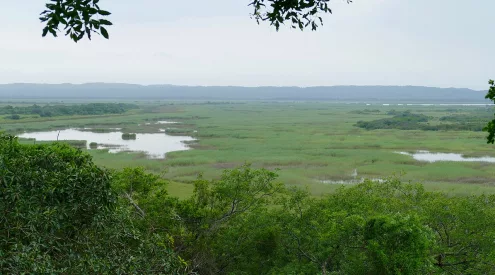
Kosi Bay/Richard Jenkinson from Harpenden, UK/Wikimedia Commons
Stretching along South Africa’s eastern seaboard and spilling into Mozambique and Eswatini, this corridor is the second richest floristic region in Africa. Here, lush coastal forests meet swamp habitats and dune thickets.
- Why it matters: High rates of endemism—meaning plants and animals exist here and nowhere else. It’s a refuge for rare orchids, cycads, and bird species.
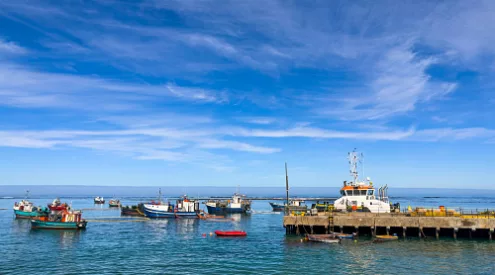
Traveller’s tip: Visit Kosi Bay, where traditional fish traps maintained by local communities blend culture with conservation. It’s also a hotspot for birdwatching and canoe trails.
Succulent Karoo: The World’s Only Arid Hotspot
Spanning the Northern Cape and into southern Namibia, the Succulent Karoo is a paradox: a semi-arid desert recognised as one of the world’s 36 global biodiversity hotspots.
- Why it matters: It hosts the planet’s highest diversity of succulents, many endemic. Each spring (August–September), the landscape transforms into a riot of wildflowers, drawing photographers and botanists from around the world.
Traveller’s tip: Base yourself in Namaqualand during flower season. Towns like Springbok and Kamieskroon provide access to reserves where the desert floor erupts in colour.
Nama Karoo: The underrated semi-arid giant
View this post on Instagram
Covering nearly a third of South Africa, the Nama Karoo is vast but less studied. Its hardy shrubs, plains, and rolling hills are shaped by extremes of heat and frost.
- Why it matters: While quieter than the Succulent Karoo, it supports antelope herds, black wildebeest, and predators such as caracal. It’s also a critical transition zone, blending into grasslands and succulent ecosystems.
Traveller’s tip: Explore the Compassberg Protected Environment in the Great Karoo, Eastern Cape. This conservation area includes the Sneeuberg Nature Reserve, protecting fragile Nama Karoo vegetation, grasslands, and rare species such as the Cape mountain zebra.
Wetlands: South Africa’s natural sponges
Wetlands may not have the glamour of lions or leopards, but they are essential ecosystems, filtering water, storing carbon, and hosting migratory birds.
- Seekoeivlei Nature Reserve (Free State): A Ramsar-listed wetland home to over 250 bird species, from flamingos to herons.
- Kosi Bay (KwaZulu-Natal): Estuarine wetlands with mangroves, fish nurseries, and ancient fishing traditions.
- Makuleke Wetlands (Kruger region): A seasonal floodplain alive with elephants, crocodiles, and migratory birds.
Activities: Canoeing, birdwatching, and guided walks.
Fynbos & Renosterveld: The Cape’s twin jewels

Bontebok National Park/Landia Davies/Wikimedia Commons
South Africa’s fynbos is world-famous—part of the Cape Floristic Region, one of the richest plant kingdoms on Earth. But alongside it grows another, often forgotten, floral wonder: renosterveld.
- Fynbos highlights: The Cederberg Mountains offer proteas against a backdrop of sandstone cliffs, while Bontebok National Park combines fynbos with endangered antelope.
- Renosterveld highlights: Once widespread across the Western Cape, less than 5% remains today. Known for springtime bulb displays and grassland species, renosterveld is as colourful and diverse as its better-known sibling.
Traveller’s tip: The Overberg region protects some of the last remaining renosterveld reserves. Visit in spring (August–October) for dazzling floral displays.
Grasslands: Subtle, vital, and overlooked

Pretoria National Botanical Garden/Leo za1/Wikimedia Commons
Grasslands may seem plain compared to forests or deserts, but they are biodiversity powerhouses. Supporting pollinators, endemic birds, and grazing wildlife, they also act as vital carbon sinks.
- Highveld Grasslands (Mpumalanga & Free State): Rolling plains where spring wildflowers bloom.
- Drakensberg Foothills: A transition zone alive with raptors, wildflowers, and dramatic scenery.
- Pretoria National Botanical Garden (Grassland Reserve): A pocket of rare grassland biodiversity just outside an urban hub.
- Sneeuberg Protected Environment: Protects grassland ecosystems alongside Nama Karoo vegetation, offering a rare mix.
Traveller’s tip: The best way to appreciate grasslands is slowly—by hiking, birdwatching, or joining an indigenous plant walk.
Why these places remain lesser-known
Unlike the charismatic fynbos or Kruger’s Big Five, these ecosystems are subtle. Their beauty lies in detail: a rare orchid tucked into a wetland, a desert erupting with daisies after rain, or a renosterveld hillside shimmering with bulbs. Because many of these areas are less studied or lack major tourism infrastructure, they remain under-visited and, unfortunately, vulnerable.
How to explore responsibly
- Travel with local guides: Their knowledge supports both communities and conservation.
- Stay green: Choose eco-lodges and nature reserves that reinvest in habitat protection.
- Visit seasonally: Spring for flowers, summer rains for wetlands, autumn for grassland hikes.
- Tread lightly: Stick to marked trails, avoid plant collecting, and support local conservation funds.
Follow us on social media for more travel news, inspiration, and guides. You can also tag us to be featured.
TikTok | Instagram | Facebook | Twitter
ALSO READ: Rewilding projects across Africa you can visit