






There is something unsettling about a plant that can sit quietly and look perfectly harmless, all while carrying a chemical defence potent enough to make it dangerous to humans or animals.
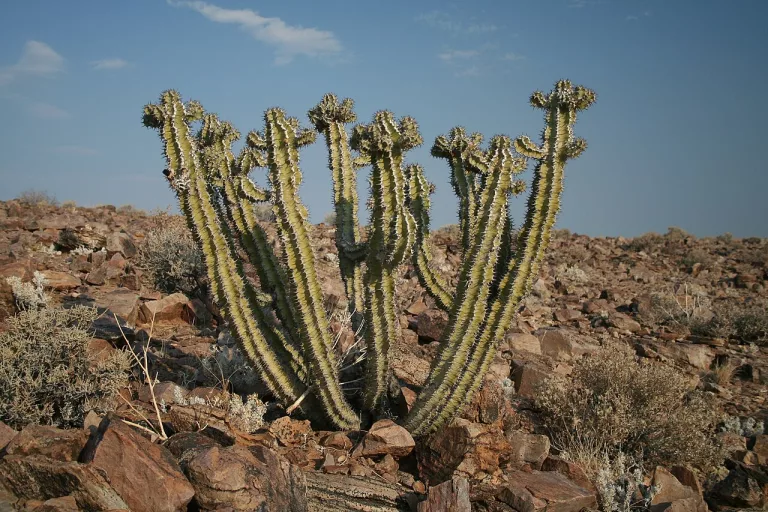
Euphorbia virosa/Marco Schmidt/Wikimedia Commons
Southern Africa has plenty of them hidden in plain site. October is the perfect month to look at the darker side of the region’s botanical diversity. With spring bringing fresh growth and colourful blooms, the veld is waking up. But beneath the beauty, some plants have a rather sinister reputation.
The poison euphorbia
Few plants look as though they belong in a ghost story quite like the poison euphorbia (Euphorbia virosa). Usually found in the arid landscapes of South Africa, Namibia and southern Angola, this thorny succulent has thick, angular branches that twist upwards from a partly buried stem. Its sculptural shape might look striking in a desert garden, but appearances are deceptive.
The plant produces a milky latex that is highly toxic and can cause severe irritation. Contact with the sap can damage the eyes and, in serious cases, cause blindness. Historically, the latex was also used by San hunters as an ingredient in arrow poison, although its irritating effects made it hazardous to handle. Even in landscapes where water is scarce and vegetation is sparse, survival comes with its own set of defences. The euphorbia does not need to chase anything away. Its chemical protection does the work for it.
The poison bulb
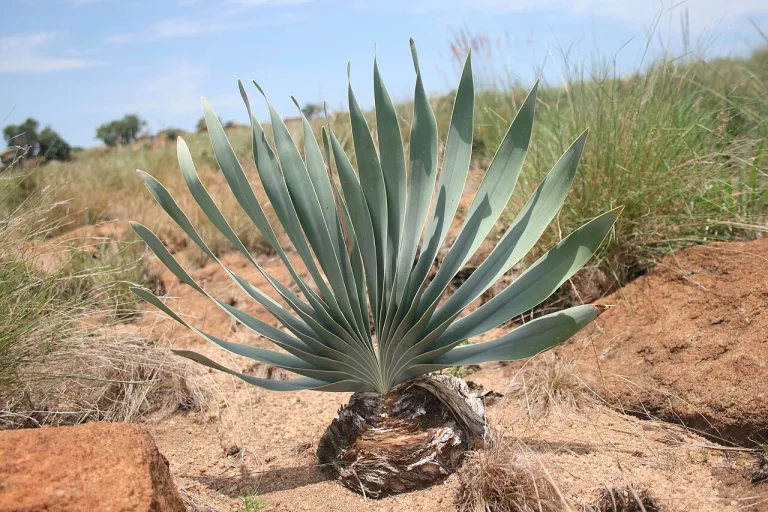
The poison bulb (Boophone disticha), also known as gifbol or bushman’s poison bulb, grows across much of South Africa and has a distinctive fan of grey-green leaves. Its unusual flower head can develop into a rounded structure that eventually dries and breaks away, allowing the wind to disperse its seeds.
Beneath the soil, however, lies the plant’s toxic bulb. It has compounds that can cause serious poisoning if ingested, and the species has a long history of use in traditional medicine. Its popularity in medicinal plant markets has also raised conservation concerns in parts of South Africa, where harvesting can put wild populations under pressure.
A plant can hold cultural significance and have a long history of traditional use while still presenting real health risks. Poison bulb is a case where botanical knowledge matters, both for people’s safety and for the survival of the species itself.
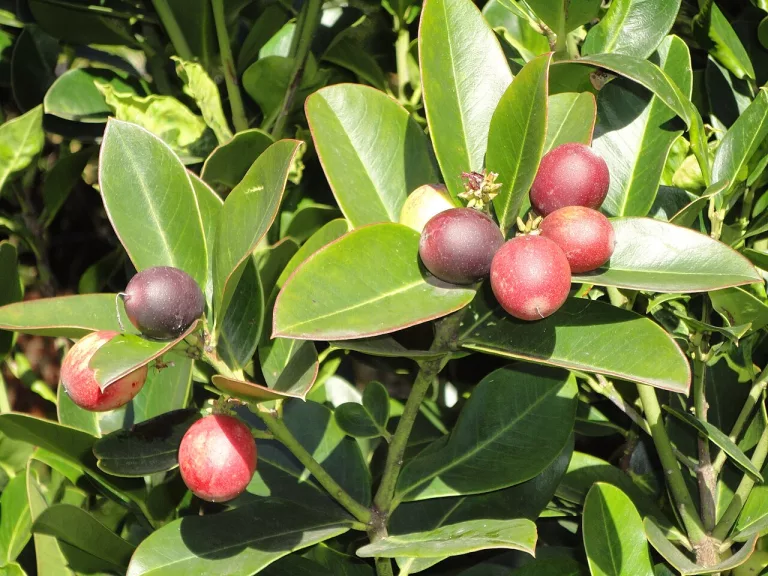
Acokanthera oppositifolia/JMK/Wikimedia Commons
The bushman’s poison
The name Acokanthera oppositifolia sounds like something best left in a botanical textbook, but its common name, bushman’s poison, is considerably more ominous. This evergreen shrub or small tree occurs in parts of southern Africa and produces clusters of small, pale flowers followed by fleshy fruit.
The plant is highly poisonous, with toxic compounds present in much of its structure. Its sap was historically used by San hunters as part of arrow-poison preparations. The same chemical properties that made the plant useful in hunting also make accidental exposure a serious concern. For generations, people have developed detailed knowledge of local flora, including which species can heal, which can harm and which require exceptional caution. That knowledge deserves to be understood in its cultural context rather than reduced to a collection of spooky plant names.
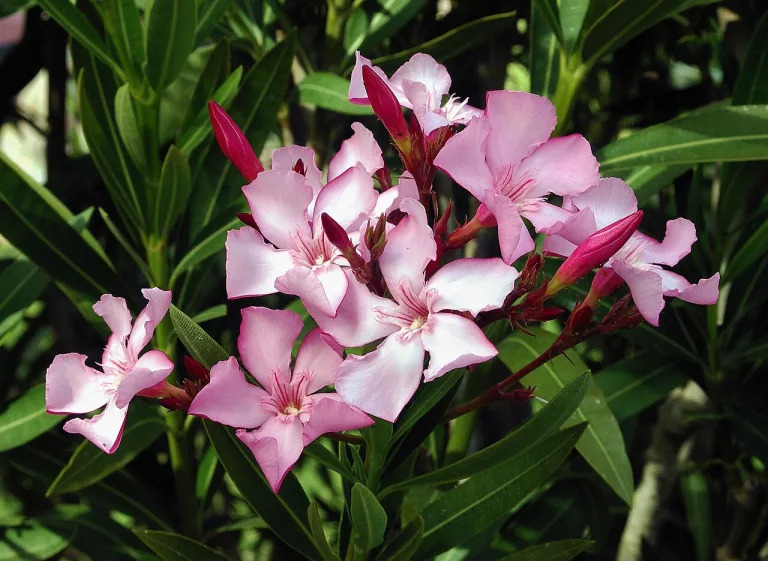
Nerium oleander/Alvesgaspar/Wikimedia Commons
Pretty flowers, dangerous consequences
Some of the most hazardous plants are familiar garden residents. Oleander (Nerium oleander) is widely grown for its colourful flowers and ability to tolerate hot, dry conditions. Oleander contains cardiac glycosides, compounds that interfere with the normal functioning of the heart. Ingestion can cause serious illness in people and animals, and its toxicity remains even when plant material has dried. Its popularity as an ornamental shrub is a useful reminder that poisonous plants do not always announce themselves with thorns, strange shapes or unsettling names.
Respect the veld
The sensible approach is to admire these plants without handling or tasting unfamiliar plants. Do not assume that a colourful fruit is edible, that a familiar garden shrub is harmless or that traditional use automatically makes a plant safe. If exposure or ingestion is suspected, seek urgent medical advice rather than relying on online identification or home remedies. The veld is full of wonders, but it does not always come with warning signs.
Follow us on social media for more travel news, inspiration, and guides. You can also tag us to be featured.
Instagram | Facebook | Twitter | Spotify
ALSO READ:
The African landscapes that look nothing like the safari stereotype