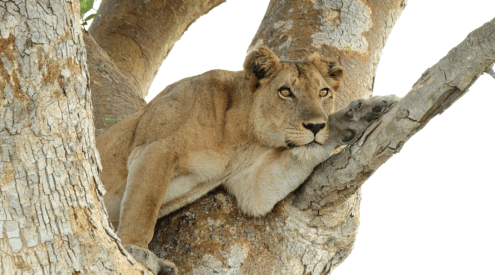

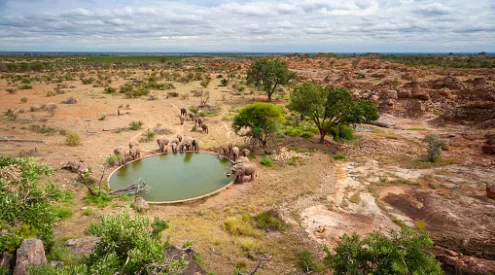
South Africa’s wildlife experiences are often defined by lions, elephants and the drama of the bushveld, but there is an entire world of kid-friendly conservation encounters beyond the Big 5.

Image used for illustrative purposes/Pam Ivey/Unsplash
From penguin hospitals to giant aviaries, tortoise safe havens to marine rescue hubs, families can give children a close look at species protection while supporting ethical organisations that prioritise rehabilitation, release and education.
Below is your complete guide to wildlife learning experiences for curious young explorers who do not need a game drive to fall in love with nature.
The Garden Route is home to some of the best animal sanctuaries
View this post on Instagram
Saasa creates a safe space for rescued primates, birds and predators
The South African Animal Sanctuary Alliance operates three well-known sanctuaries near Plettenberg Bay that focus on rescued and ex-captive wildlife. This is one of the easiest introductions to conservation for kids because each sanctuary is immersive, safe to walk through and firmly centred on education.
Birds of Eden is a rainforest-style dome covering more than two hectares, with winding walkways where children can observe free-flying birds in a habitat designed to mimic their natural environment. There is no touching or feeding, which reinforces respectful wildlife etiquette.
Monkeyland Primate Sanctuary offers guided forest walks where families can spot lemurs, gibbons, capuchins, and other rehabilitated primates. The guides gently explain the dangers of the exotic pet trade and why primates should never be kept as pets. The forest itself feels magical for children.
Jukani Wildlife Sanctuary focuses on big cats that cannot be released back into the wild. The large, quiet enclosures allow kids to learn about apex predators without the intensity of a safari. Educational walking tours emphasise the need for responsible captivity for certain animals.
Together, these sanctuaries create a holistic and ethical wildlife route in the heart of the Garden Route.
Marine conservation teaches children about the ocean in which they play
View this post on Instagram
Two Oceans Aquarium Foundation leads sea turtle rehabilitation
Sea turtles strand on Western Cape beaches every year, many cold-stunned or injured. The Two Oceans Aquarium Foundation runs one of the continent’s most successful turtle rescue and rehabilitation programmes, caring for hatchlings to loggerheads before releasing them back into warmer waters.
Families can visit the aquarium to learn about the full rescue journey. Older kids may even spot rehabilitating turtles in specialised tanks. The foundation also coordinates a volunteer rescue network along the coast, which makes the experience real and place-specific for Cape-based families. Themes like ocean pollution, responsible beach use, and climate impacts are easy for children to grasp.
Penguin and seabird centres give young kids relatable marine encounters
South Africa has several smaller seabird sanctuaries that are perfect for toddlers and preschoolers. At these centres, children meet species they already recognise from coastal outings.
Good options include:
• SANCCOB (Cape Town and Gqeberha) for penguin and seabird rehabilitation
• APSS African Penguin and Seabird Sanctuary in Kleinbaai
• Plettenberg Bay’s marine rehab hubs that support rescued seabirds and the occasional seal pup
These centres often have viewing windows, short educational sessions, and simple messaging that resonates with young children.
Wildlife rehab centres highlight species beyond the safari spotlight
View this post on Instagram
Crow in KwaZulu-Natal rehabilitates everything from genets to raptors
CROW, founded more than four decades ago, is one of South Africa’s most established wildlife rehabilitation centres. The team cares for orphaned and injured animals, including small antelope, reptiles, raptors, monkeys, owls and even bushbabies. Children learn that conservation extends far beyond charismatic megafauna.
Educational visits reveal how rehabilitation works, what release back into the wild requires and why human-wildlife conflict remains a major challenge.
Wild Rescue in the Western Cape introduces kids to everyday wildlife
Based near Riversdale, Wild Rescue rehabilitates indigenous wildlife that many South African children would never see up close unless rescued. This includes caracals, porcupines, tortoises, small mammals and a variety of birds.
For Cape families, it is an accessible option that shows wildlife conservation is not only found inside reserves. Even familiar species need protection, and the centre’s emphasis on release offers a hopeful message for young visitors.
Lowveld experiences combine conservation with a hint of the bush
View this post on Instagram
Moholoholo in Hoedspruit offers a meaningful safari lite experience
If you want something that feels closer to a safari but is still grounded in rehabilitation, Moholoholo Wildlife Rehabilitation Centre is a strong option. The centre treats injured and orphaned wildlife brought in from across the Lowveld.
Guided tours introduce children to birds of prey, honey badgers, servals, and other species that are often misunderstood. Some animals remain in permanent care due to injury and become ambassadors for their species. Families staying in the area can pair the visit with hikes, birding, or gentle wildlife viewing without committing to a full Big 5 experience.
Why these wildlife experiences matter for young travellers
For children who are still too young for long game drives, who need hands-on learning, or who simply want to understand the animals around them, these centres offer safe, ethical and immersive encounters across South Africa.
They show kids that conservation is not only found in iconic parks but also in the forests, beaches, towns and rescue facilities that care for the creatures living alongside us. These places foster empathy, curiosity and respect, creating future nature guardians long before they meet a lion.
Follow us on social media for more travel news, inspiration, and guides. You can also tag us to be featured.
TikTok | Instagram | Facebook | Twitter
ALSO READ: 5 summer farms where kids and adults can actually do things