




The lunar calendar can be as useful as a weather forecast, writes Miriam Kimvangu.

Dieter Wolf/Unsplash
Full moons provide natural light, cooler temperatures and extended visibility, making certain activities safer, more practical and more visually rewarding.
Below are several travel experiences that benefit directly from full-moon conditions, along with destinations where they are commonly available.
1. Full-moon ocean swims along the KwaZulu-Natal coast
Coastal swimming after dark is most accessible during full-moon periods, when natural light improves visibility along the shoreline. In KwaZulu-Natal, beaches near Umhlanga, Ballito and the South Coast are popular for evening swims during calm summer conditions.
Travellers staying near the beach can plan short post-dinner swims when the moon has risen above the horizon. Conditions should always be assessed during daylight, and swimming in groups is recommended. Some surf schools and wellness retreats also schedule moon-phase ocean sessions, particularly during warmer months.
2. Guided night hikes in mountain areas and nature reserves
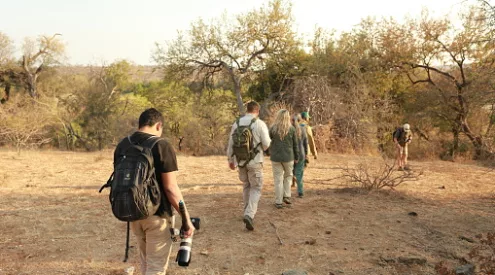
Many private reserves and mountain lodges offer guided night walks that are timed around the full moon. These hikes allow guests to experience landscapes under natural light while learning about nocturnal wildlife behaviour, plant adaptations and navigation techniques.
Common regions for full-moon hikes include the Cederberg, parts of the Drakensberg foothills, and private conservancies in Limpopo and Mpumalanga. Walks are usually short and led by qualified guides, making them suitable for travellers who want night-time access without technical hiking requirements.
3. Desert landscape photography in the Karoo and Kalahari
Desert regions reflect moonlight particularly well, creating high-contrast landscapes that are well suited to photography. In areas such as the Tankwa Karoo, Namaqualand and the southern Kalahari, full moons illuminate gravel plains, dry riverbeds and dune systems for several hours each night.
Photographers often plan trips to capture moonlit foregrounds with star-filled skies, while non-specialist travellers benefit from extended outdoor visibility during evening walks and campsite activities. Several remote lodges and farm stays offer photography-focused weekends that coincide with full-moon cycles.
ALSO READ: Open air stays that bring you closer to nature in Southern Africa
4. Night game drives and moonlight safaris
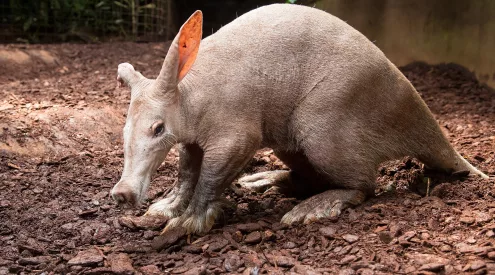
While most wildlife viewing happens during daylight, some reserves schedule limited night drives during bright lunar phases. These drives focus on nocturnal species and predator movement patterns that are more active after dark.
Moonlight safaris are more commonly offered by private reserves than national parks, due to access regulations. Travellers interested in this experience should check lodge activity schedules in advance, as these drives are not offered year round and are often dependent on both moon phase and seasonal conditions.
5. Coastal cliff walks and tide pool exploration
Full moons influence both visibility and tidal movement, which can make certain coastal walks and tide pool explorations more engaging. In areas along the Garden Route and Western Cape coastline, evening walks during full-moon low tides allow travellers to explore rocky shorelines with minimal artificial lighting.
Local guides in towns such as Wilderness and De Kelders sometimes offer moon-phase coastal walks that combine marine education with scenic viewpoints. These experiences are typically short and suited to families and slower-paced travellers.
6. Cultural and community events linked to lunar cycles
In some rural areas, social and agricultural activities continue to follow lunar rhythms, particularly in regions where electricity access is limited or communal gatherings traditionally take place outdoors. While not always marketed as tourism events, travellers visiting during full-moon periods may encounter extended markets, music gatherings or ceremonial activities.
Community tourism organisations in parts of KwaZulu-Natal, Eswatini and Botswana occasionally publish event calendars that reference moon phases rather than fixed dates. Lodges working with local guides can often provide advance notice of gatherings that coincide with bright lunar nights.
Practical planning considerations
Travelling around the full moon requires only basic planning, but a few details can improve the experience:
- Confirm moonrise times for your destination, as activities are best scheduled once the moon is above the horizon.
- Choose accommodation that allows outdoor movement after dark or offers guided night activities.
- Pack headlamps even during full-moon trips, as cloud cover can reduce visibility.
- Allow flexibility in your itinerary in case weather affects night-time conditions.
Full-moon travel is most effective when combined with destinations that already offer strong daytime activities. This ensures that evenings become an extension of the travel experience rather than the only focus of the trip.
Follow us on social media for more travel news, inspiration, and guides. You can also tag us to be featured.
TikTok | Instagram | Facebook | Twitter
ALSO READ: List of places around Africa that are famous for being friendly and welcoming