

South Africa may be best known for its sun-soaked beaches and summer road trips, but winter is just as rewarding. July brings exceptional wildlife viewing, the return of southern right whales, the first signs of wildflower season, and crisp days made for mountain cabins and roaring fireplaces.
Whether you’re chasing the Big Five, hoping to spot whales from the shore or looking for a quiet countryside escape, here’s why July deserves a place on your travel calendar.
Safari season reaches its peak
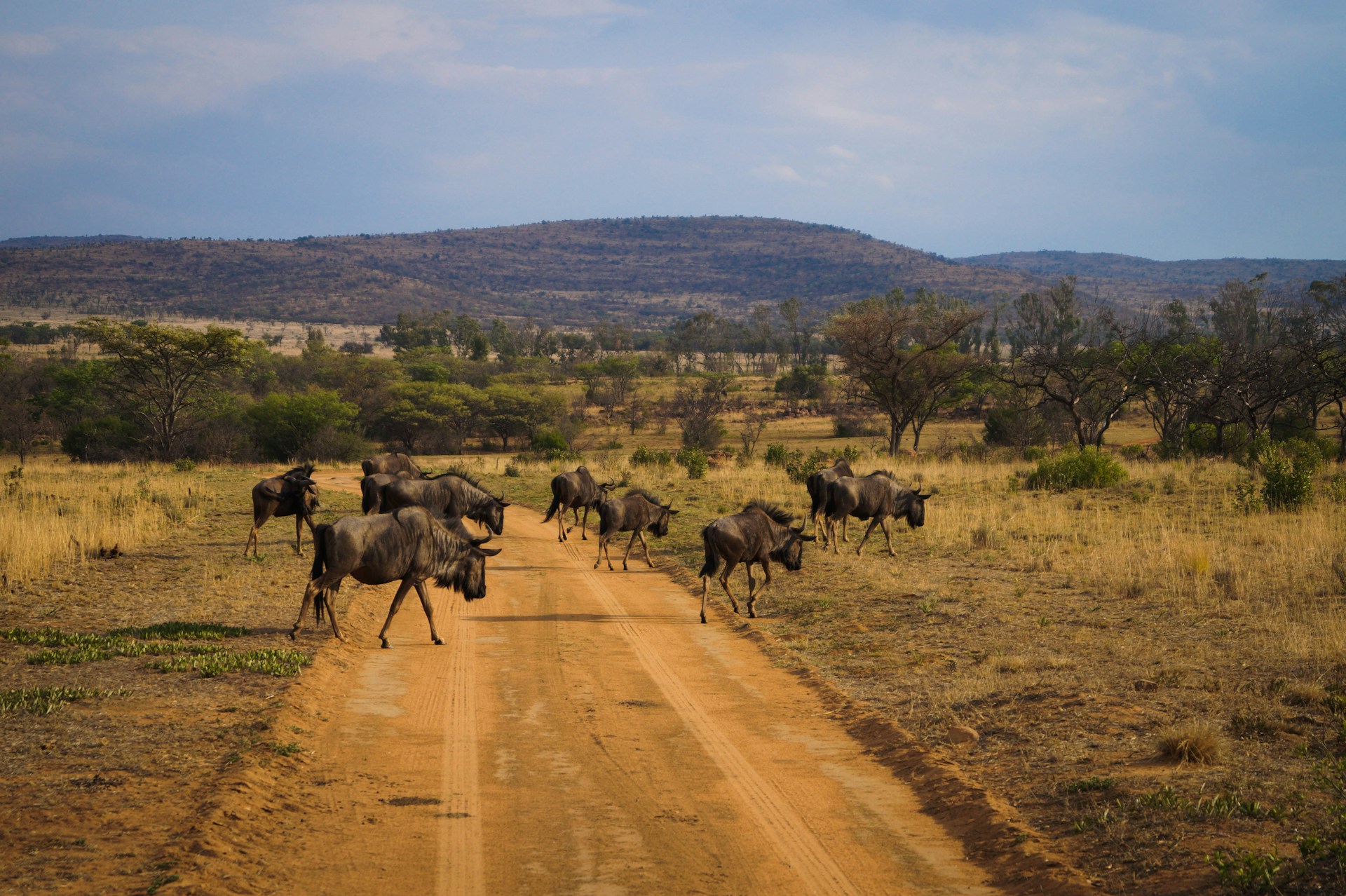
Kruger National Park/Martijn Vonk/Unsplash
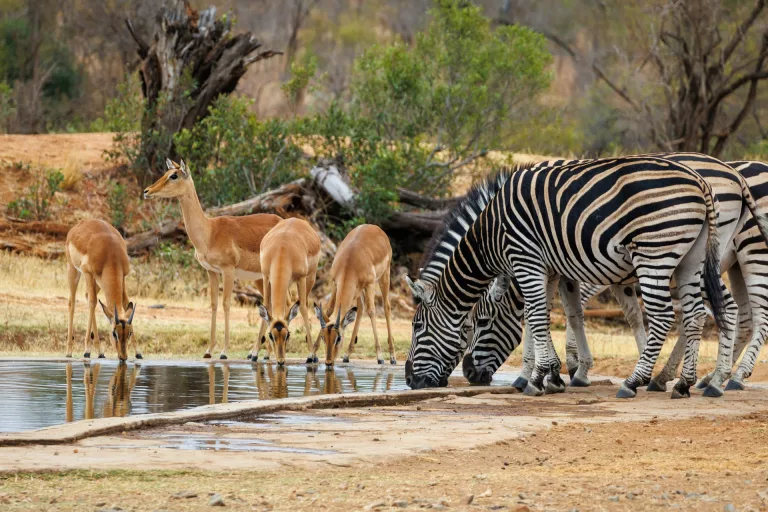
Winter is widely regarded as one of the best times for game viewing across South Africa. As grasses die back and trees shed their leaves, visibility improves dramatically, making it easier to spot wildlife. Natural water sources also become scarcer, drawing animals to rivers, dams and waterholes where sightings are often more frequent.
Morning game drives can be icy, but by midday, temperatures are generally mild and comfortable in many safari regions.
Some of the country’s top July safari destinations include:
- Kruger National Park – Excellent opportunities to spot the Big Five, with cooler temperatures making longer game drives more enjoyable.
- Addo Elephant National Park – Winter is a fantastic time to watch large elephant herds gathering around waterholes, while buffalo, lion and a variety of antelope remain active throughout the day.
- Madikwe Game Reserve – A malaria-free reserve known for its excellent predator sightings, including African wild dogs.
- Pilanesberg National Park – An accessible Big Five destination within easy reach of Johannesburg.
- Kgalagadi Transfrontier Park – Dry winter conditions create exceptional opportunities to spot lions, cheetahs and other predators against striking desert landscapes.
For wildlife photographers, the softer winter light and reduced haze also make July one of the year’s most rewarding months behind the lens.
Southern right whales return to the Cape coast
July marks the beginning of South Africa’s whale season, as southern right whales migrate from Antarctic waters to the country’s sheltered bays to mate and calve.
One of the greatest advantages? You don’t need a boat tour. Many of the country’s best whale-watching experiences happen from coastal paths, clifftops and beaches.
Top places to watch for whales include:
- Hermanus, internationally renowned for its land-based whale watching.
- De Kelders, where elevated cliffs provide spectacular viewing opportunities.
- Gansbaai, combining whale watching with dramatic coastal scenery.
- De Hoop Nature Reserve, where whales can often be spotted from pristine beaches.
- Plettenberg Bay, which also welcomes humpback whales later in the season.
Although the highest numbers usually arrive in August and September, July visitors are often rewarded with quieter viewing spots and the excitement of seeing the season unfold.
ALSO READ:
The first wildflowers begin to bloom

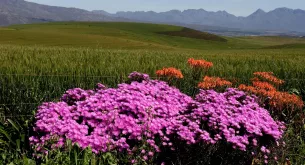
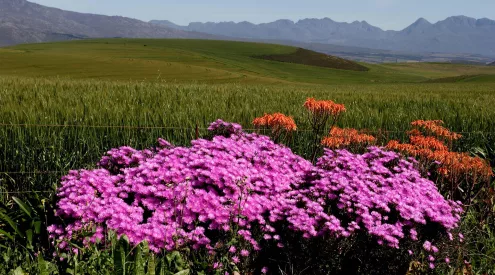
NAMAQUALAND, SOUTH AFRICA – AUGUST 07: Beautiful flowers show their floral splendor earlier than usual this year at Maskam Gasteplaas on August 07, 2025 in Namaqualand, South Africa. The region received good Winter rains. (Photo by Gallo Images/Die Burger/Jaco Marais)
When people think of South Africa’s wildflower season, August usually steals the spotlight. But depending on winter rainfall, late July often offers the first colourful displays across the country’s western regions.
While the famous carpets of flowers may still be building, early visitors can enjoy quieter roads and a more gradual transformation of the landscape.
Some of the best places to look include:
- Namaqualand, where the first daisies and succulents begin appearing after good rains.
- West Coast National Park, with early blooms emerging across sections of the reserve.
- Nieuwoudtville, often called the bulb capital of the world, thanks to its remarkable diversity of indigenous flowers.
- Goegap Nature Reserve near Springbok is another excellent destination for early-season flower spotting.
Wildflower displays are heavily dependent on rainfall and weather conditions, so flexibility is key when planning a flower-focused trip.
Embrace South Africa’s cosiest winter escapes

Drakensberg/Dannii Coughlan/Unsplash
Not every July getaway needs to revolve around wildlife. Winter is also the perfect excuse to slow down, sip local wine, browse independent bookshops or spend evenings beside a crackling fireplace.
Some of South Africa’s most inviting winter destinations include:
Cederberg for hiking, dramatic rock formations and secluded cottages beneath star-filled skies.
Tulbagh for award-winning wineries, mountain scenery and charming Cape Dutch architecture.
Clarens for cosy cafés, art galleries and crisp walks in the foothills of the Maluti Mountains.
Dullstroom, where fly fishing, whisky tastings and roaring fireplaces define the season.
The Drakensberg, offering spectacular hiking, mountain lodges and the possibility of snowfall at higher elevations.
The Midlands Meander, where artisan food producers, craft shops and boutique accommodation create an ideal weekend escape.
These destinations prove that winter travel isn’t about avoiding the cold—it’s about embracing everything that comes with it.
Winter experiences you’ll only find in July
Beyond safaris and whales, July offers plenty of seasonal highlights that make travelling at this time of year especially rewarding.
Snow occasionally dusts parts of the Drakensberg, Barkly East, Rhodes and the Eastern Cape Highlands, transforming familiar landscapes into something entirely different.
The country’s citrus-growing regions come alive during harvest season, while clear winter skies create ideal conditions for stargazing in remote destinations like the Karoo and Cederberg.
Hikers also benefit from cooler daytime temperatures, particularly on trails that can become uncomfortably hot during summer.
Outside of the school holidays, many destinations are noticeably quieter than during peak summer, allowing travellers to enjoy popular attractions with fewer crowds.
Planning your July getaway
A little preparation goes a long way when travelling during winter.
- Dress in layers, as temperatures can vary significantly between early mornings and afternoons.
- Pack a warm jacket, gloves and a beanie for sunrise safari drives.
- Bring binoculars for both whale watching and wildlife viewing.
- If you’re travelling for wildflowers, keep an eye on seasonal rainfall reports before setting off.
- Book accommodation early in popular whale-watching towns and safari destinations, particularly during school holidays.
- Remember that winter days are shorter, so plan road trips to maximise daylight hours.
Winter’s best-kept secret
South Africa doesn’t slow down in winter—it simply changes its rhythm.
July offers experiences that are difficult to replicate at any other time of year. Lions linger around shrinking waterholes, southern right whales return to sheltered bays after months at sea, the first wildflowers begin painting the western landscape, and mountain towns invite travellers to settle in beside a fire after a day outdoors.
For those willing to swap beach towels for jackets and embrace the season, July may be one of South Africa’s finest months to explore.
Follow us on social media for more travel news, inspiration, and guides. You can also tag us to be featured.
Instagram | Facebook | Twitter | Spotify
ALSO READ:
JW Marriott opens luxury safari camp in Kenya’s renowned Solio Game Reserve