




Caravan holidays bring back memories of school holidays, roadside padstals, campsite braais and waking up to birdsong instead of alarm clocks. But if you’re planning your very first caravan trip, there’s one thing you’ll quickly realise: towing a caravan is very different from packing the car and heading off on a road trip.
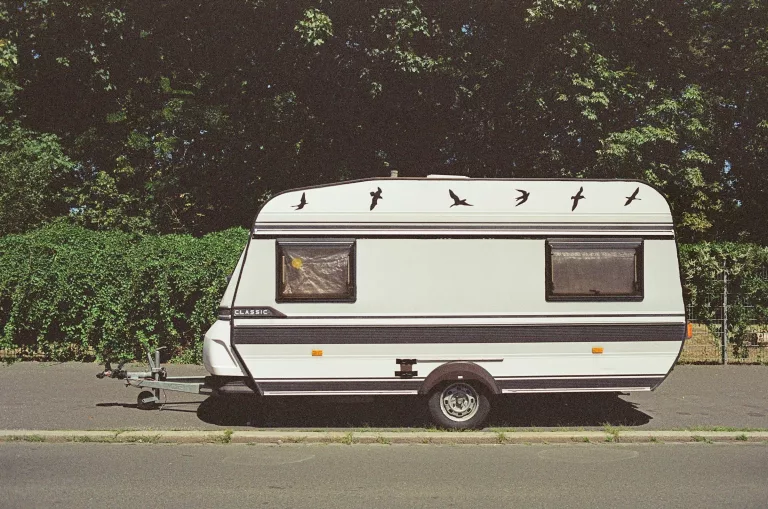
Photo: Unsplash
Here’s what every beginner should know before hitching up.
Make sure your vehicle can tow your caravan
Not every vehicle is built to tow every caravan. Before booking your campsite or shopping for a caravan, check your vehicle’s maximum braked towing capacity. This is the maximum weight your vehicle is legally allowed to tow when the trailer or caravan has its own braking system.
Also pay attention to:
- The caravan’s tare weight (its empty weight)
- Its gross vehicle mass (GVM) or maximum loaded weight
- Your vehicle’s towball download limit, which is the amount of weight pressing down on the tow hitch
Remember that once you add clothing, food, camping chairs, water tanks, bicycles and all those “just in case” items, your caravan becomes much heavier than it was on the showroom floor.
Never exceed your vehicle manufacturer’s towing limits or the caravan’s maximum permissible weight.
Get the weight distribution right
How you load your caravan matters just as much as how much you load. Packing everything at the back may cause the caravan to sway, while too much weight on the towball can affect steering and braking.
As a general rule:
- Place heavier items low down and close to the axle.
- Spread the weight evenly from side to side.
- Secure loose items so they can’t move while driving.
- Avoid storing heavy equipment high up in cupboards.
If you’re travelling with water tanks, remember that full tanks add significant weight.
Check your tow hitch properly
It sounds obvious, but an incorrectly attached caravan is one of the most dangerous mistakes a beginner can make.
Before every trip:
- Confirm the coupling is fully locked onto the towball.
- Attach the safety chains correctly.
- Connect the electrical plug for the caravan lights.
- Check that brake lights, indicators and tail lights all work.
- Raise and secure the jockey wheel.
- Make sure stabilisers are fully retracted before moving off.
It’s worth doing one final walk-around before climbing into the driver’s seat.
Tyres deserve more attention than you think
Your caravan tyres may look perfectly fine, but they can deteriorate with age even if they haven’t travelled many kilometres.
Before setting off:
- Check tyre pressures on both the vehicle and caravan.
- Inspect tyres for cracks, bulges or uneven wear.
- Don’t forget the spare wheel.
- Tighten wheel nuts according to the manufacturer’s specifications.
Incorrect tyre pressure affects stability, braking and fuel consumption.
Driving with a caravan requires a different mindset
The biggest adjustment for first-time caravanners is slowing down. Your vehicle will take longer to accelerate, climb hills and come to a stop. You’ll also need more room to overtake and wider turning circles around corners.
Some useful habits include:
- Leave a much larger following distance.
- Brake gently and earlier than usual.
- Accelerate smoothly.
- Reduce speed before bends.
- Avoid sudden steering movements.
- Use lower gears when descending steep mountain passes instead of relying solely on your brakes.
If you’re nervous, practise towing in an empty parking area before heading onto busy roads.
Be prepared for caravan sway
One of the most intimidating experiences for new caravanners is trailer sway, where the caravan begins to move from side to side behind the vehicle.
If it happens:
- Stay calm.
- Keep both hands firmly on the steering wheel.
- Avoid sudden steering corrections.
- Ease off the accelerator gradually.
- Do not slam on the brakes unless absolutely necessary.
The best way to prevent sway is by loading correctly, staying within towing limits and avoiding excessive speeds.
Plan your route carefully
Not every scenic route is caravan-friendly.
Before leaving:
- Check for steep mountain passes.
- Be aware of low bridges.
- Confirm road conditions if travelling on gravel roads.
- Identify fuel stops suitable for vehicles towing caravans.
- Allow extra travel time.
You’ll likely drive more slowly than usual, and that’s perfectly fine. Caravan holidays are about enjoying the journey as much as the destination.
Do a final safety check before every departure
Whether you’re leaving home or packing up after a weekend away, take five minutes to check everything.
Run through this simple checklist:
- Windows and roof vents closed
- Cupboards and fridge secured
- Loose items packed away
- Gas bottles turned off
- Electrical cable disconnected
- Stabiliser legs raised
- Jockey wheel secured
- Tow hitch locked
- Safety chains attached
- Lights working
It might feel repetitive, but experienced caravanners will tell you that these few minutes can prevent expensive damage and dangerous situations.
The best advice? Don’t rush
Your first caravan trip isn’t about covering the most kilometres or ticking off as many destinations as possible. It’s about learning how your setup behaves, building confidence behind the wheel and settling into a slower pace of travel.
Take regular breaks, leave plenty of time between destinations and don’t worry if parking takes a few extra tries. Before long, hitching up and hitting the open road will feel like second nature.
Follow us on social media for more travel news, inspiration, and guides. You can also tag us to be featured.
Instagram | Facebook | Twitter | Spotify
ALSO SEE: 5 scenic camping destinations worth the journey