

Every week brings fresh reminders that while wildlife faces enormous challenges, dedicated conservation efforts continue to deliver encouraging results.

Image used for illustrative purposes/Prasan Shrestha/Wikimedia Commons
Here are five of the most inspiring wildlife and nature success stories from around the globe that unfolded over the past week.
South Asia’s vultures continue an extraordinary comeback
Few conservation stories are as remarkable as the recovery of South Asia’s vultures. Once among the fastest declining birds on Earth, species such as the white-rumped vulture suffered catastrophic losses after the widespread use of the veterinary drug diclofenac, which proved fatal to vultures feeding on treated livestock carcasses. At their lowest point, populations had fallen by more than 99 percent across parts of India, Nepal and Pakistan. The decline had serious consequences for ecosystems, as vultures play a vital role in disposing of carcasses and limiting the spread of disease.
This week, conservationists celebrated continued evidence that these populations are recovering following the ban on veterinary diclofenac and years of coordinated breeding programmes, habitat management and public awareness campaigns. While the birds are not yet out of danger, their resurgence has become one of the world’s most celebrated examples of how science, policy and conservation can work together to reverse even the steepest wildlife declines.
Indigenous stewardship continues to protect biodiversity
New research released this week has added further weight to a growing body of evidence showing that Indigenous communities are among the world’s most effective guardians of biodiversity. Across forests, wetlands, savannas and mountain landscapes, Indigenous managed territories often support healthier ecosystems and greater wildlife diversity than neighbouring areas. Traditional ecological knowledge, developed over generations, continues to play an important role in protecting habitats while allowing people and nature to coexist.
The findings reinforce calls for Indigenous leadership to play a greater role in global conservation planning. As countries work towards ambitious biodiversity targets, recognising Indigenous rights and supporting community led conservation is increasingly viewed as essential to protecting wildlife for future generations.
Côte d’Ivoire’s rainforest wildlife offers hope for conservation
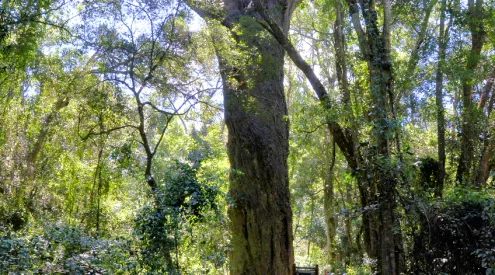
One of West Africa’s remaining rainforest strongholds could become a model for conservation through carefully managed ecotourism. Conservationists working in Côte d’Ivoire say the country’s rich biodiversity, including chimpanzees, rare forest birds and other elusive wildlife, has the potential to attract visitors while generating sustainable income for local communities.
Unlike extractive industries that often place pressure on forests, responsible nature tourism can provide a financial incentive to preserve habitats. Revenue generated from visitors can support park management, scientific research, local employment and environmental education while encouraging the long term protection of threatened ecosystems. As interest in authentic wildlife experiences continues to grow, initiatives such as these demonstrate how tourism and conservation can support one another when managed responsibly.
Restored habitats continue delivering results for wildlife
Recent monitoring from protected areas in the United States has revealed thriving populations of native wildlife across landscapes that have benefited from decades of restoration work. Trail cameras have documented healthy numbers of mammals, birds and other species making use of restored forests, wetlands and grasslands.
The results illustrate the importance of protecting large connected habitats rather than focusing only on individual species. When ecosystems recover, wildlife often follows naturally, creating healthier landscapes that benefit biodiversity as a whole. These long term investments also provide valuable lessons for conservation projects elsewhere, showing that habitat restoration remains one of the most effective tools available for reversing biodiversity loss.
Angola’s hidden biodiversity continues to surprise scientists
Africa continues to reveal remarkable natural treasures, with scientists working on Angola’s remote Lisima Plateau reporting dozens of species believed to be new to science. Among the discoveries are colourful dragonflies, butterflies, grasshoppers and even a fluorescent spider, highlighting just how little is still known about some of the continent’s most isolated ecosystems.
Every new species discovered helps researchers build a better understanding of how ecosystems function and strengthens the case for protecting vulnerable habitats before they are altered by development or climate change. For travellers, discoveries such as these also serve as a reminder that some of Africa’s greatest wildlife experiences are not limited to famous safari destinations. The continent’s lesser known mountains, forests and freshwater systems continue to reveal extraordinary biodiversity that deserves both scientific attention and long term protection.
Nature’s recovery is rarely immediate, but around the world these projects demonstrate that with sustained commitment, wildlife can be given the opportunity to thrive once again.
Follow us on social media for more travel news, inspiration, and guides. You can also tag us to be featured.
Instagram | Facebook | Twitter | Spotify
ALSO READ:
Wild Africa debuts with inspiring stories from the frontlines of conservation