
A tiny island off England’s southwest coast is proving just how quickly nature can bounce back. Two decades after an ambitious conservation project removed invasive rats, Lundy Island is now home to more than 40,000 seabirds – the highest number recorded there since the 1930s.
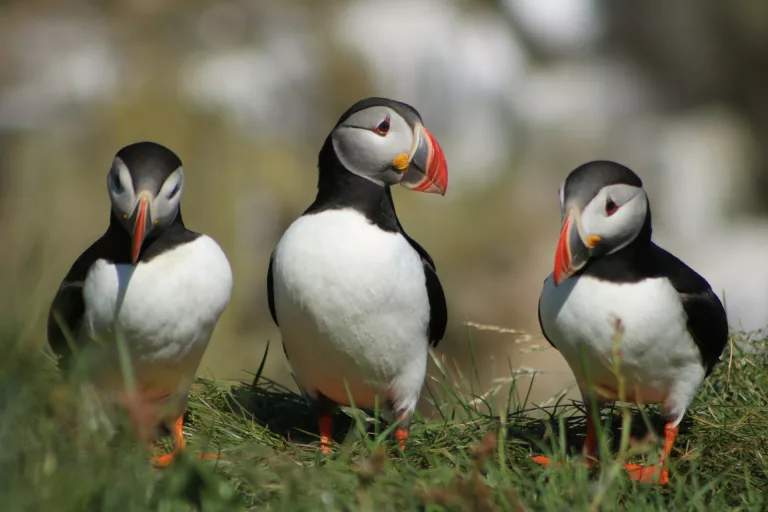
Image used for illustrative purposes/Anina Huber/Unsplash
According to The Independent and BBC Countryfile, the island’s remarkable recovery has transformed it into one of the United Kingdom’s leading wildlife conservation success stories.
Among the biggest winners are puffins. Once on the brink of disappearing from Lundy, their population has grown from just 13 birds in 2000 to 1,335 in 2026.
“The remarkable recovery of Lundy’s seabirds following the successful rat eradication is one of the UK’s great conservation success stories,” Lundy managing director Derek Green told The Independent.
The island’s Manx shearwaters have seen an even more dramatic resurgence. From fewer than 600 birds in 2001, the breeding population has soared to more than 25,000, accounting for around 95% of England’s breeding population of the species.
ALSO READ:
5 of South Africa’s most beautiful Marine Protected Areas to explore
Razorbills and guillemots have also flourished, while storm petrels – absent from breeding records since the 1930s – returned in 2014. Today, more than 150 breeding pairs nest on the island.
The recovery follows the successful removal of black and brown rats, which had arrived as stowaways on ships and shipwrecks. The rodents preyed on seabird eggs and chicks, causing bird numbers to collapse from an estimated 80,000 in the 1930s to just 7,351 by 2000.
Between 2002 and 2004, Natural England, the Royal Society for the Protection of Birds (RSPB), the National Trust and the Landmark Trust partnered on a large-scale eradication programme. Lundy was officially declared rat-free in 2006, with strict biosecurity measures helping to keep the island free of invasive rodents ever since.
Conservationists say the project demonstrates the power of long-term, science-led restoration. Helen Booker, senior conservation officer at the RSPB, described the recovery as proof of “what’s possible when organisations come together with a shared vision, sound science and long-term commitment.”
While the birds are thriving on land, conservation groups say their work is not over. The RSPB is calling for the waters surrounding Lundy to receive Special Protection Area status to safeguard the seabirds’ feeding grounds and secure the island’s conservation success for generations to come.
Follow us on social media for more travel news, inspiration, and guides. You can also tag us to be featured.
Instagram | Facebook | Twitter | Spotify
ALSO READ:
Wild Africa debuts with inspiring stories from the frontlines of conservation