

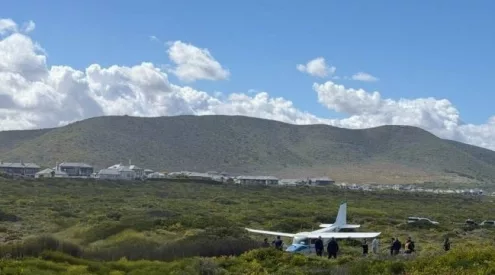

South Africa’s spring and summer marks the return of migratory birds that travel thousands of kilometres to feed, breed and raise their young in the country’s various habitats.
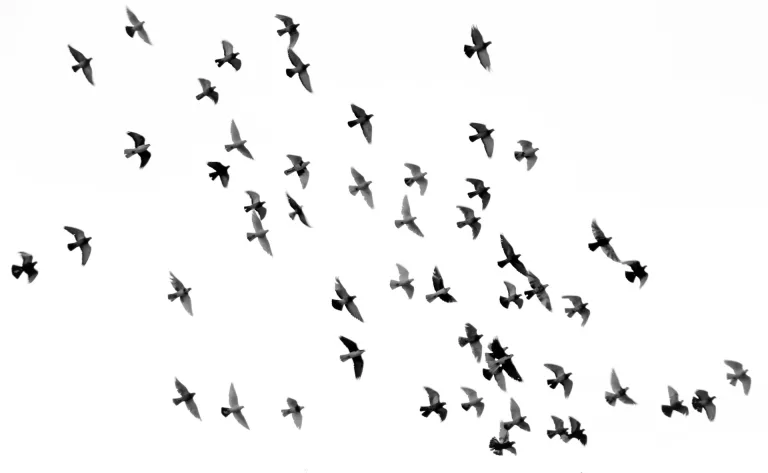
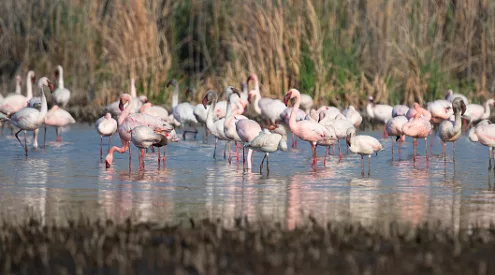
Image used for illustrative purposes/Mehdi Sepehri/Unsplash
For birdwatchers, this seasonal change offers an opportunity to spot familiar visitors alongside species that spend much of the year elsewhere. From European swallows sweeping over open fields to waders probing muddy estuaries for food, these arrivals are part of a remarkable annual journey that connects South Africa to ecosystems across the globe.
But migration is more than a change of scenery. It is a demanding journey shaped by weather, food availability and the condition of the habitats birds depend on along the way.
Why do birds migrate to South Africa?
Many of South Africa’s summer visitors breed in the Northern Hemisphere, particularly in Europe and parts of Asia, before travelling south as temperatures drop and food becomes scarce. Others arrive from elsewhere in Africa, following seasonal rainfall and changing food supplies.
For insect-eating migrants, South Africa’s warmer months offer abundant flying insects and other invertebrates. Swallows, swifts and many cuckoos take advantage of these seasonal food supplies, while European bee-eaters hunt insects in open country.
Waders have different priorities. Species including the common ringed plover and little stint travel from northern breeding grounds to southern African wetlands and shorelines, where they feed on small aquatic animals. These habitats provide the resources they need to survive until it is time to head north again.
Migration is not without its risks. Birds must negotiate storms, strong winds, dry landscapes and stretches of unsuitable habitat. Many need places to rest and feed along the way, making healthy wetlands, rivers and coastal estuaries essential to their survival.
The summer visitors to look out for
Barn swallows
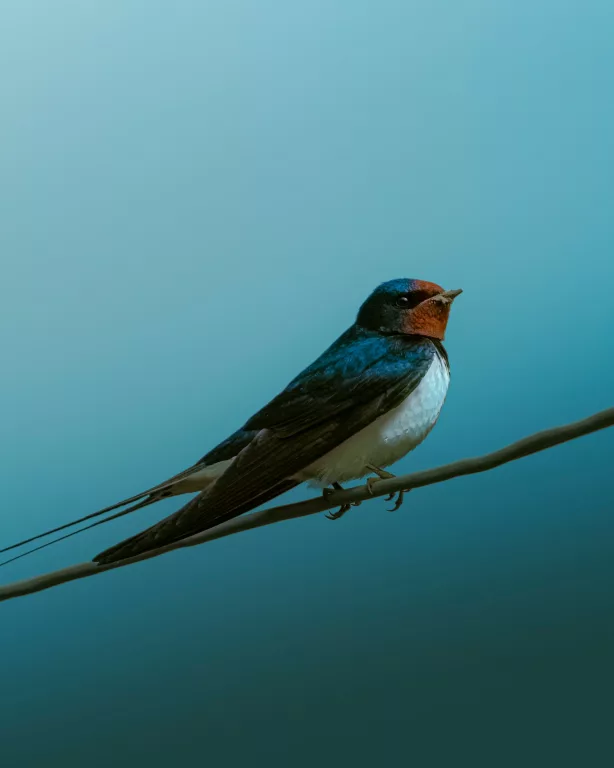
Christoph Nolte/Unsplash
These familiar visitors breed across Europe and parts of Asia before travelling to Africa for the non-breeding season. Their long, forked tails and agile flight make them easy to recognise as they swoop over fields and wetlands, catching insects in mid-air. They rely on plentiful insect life and open spaces where they can feed.
European bee-eaters
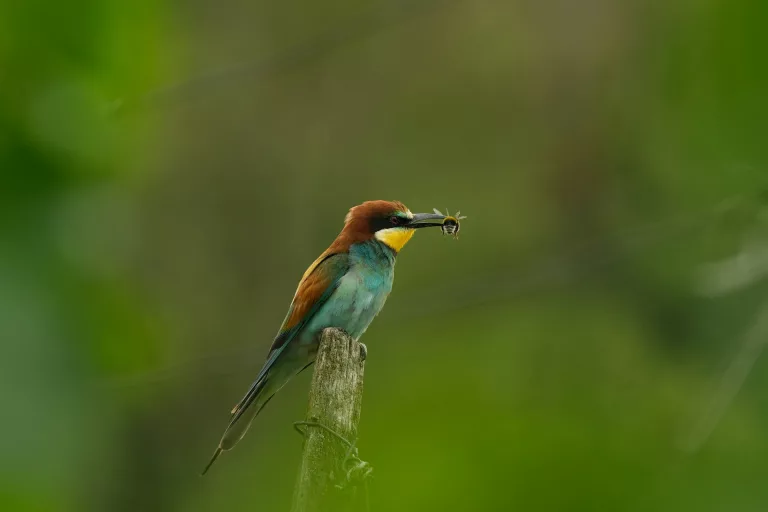
Leon Pauleikhoff/Unsplash
With bright green, yellow and chestnut plumage, European bee-eaters bring a splash of colour to the South African summer. They breed in Europe, North Africa and parts of western Asia, with many travelling south for the winter in the Northern Hemisphere. Watch for them perched on exposed branches or wires before darting out to catch flying insects.
Cuckoos
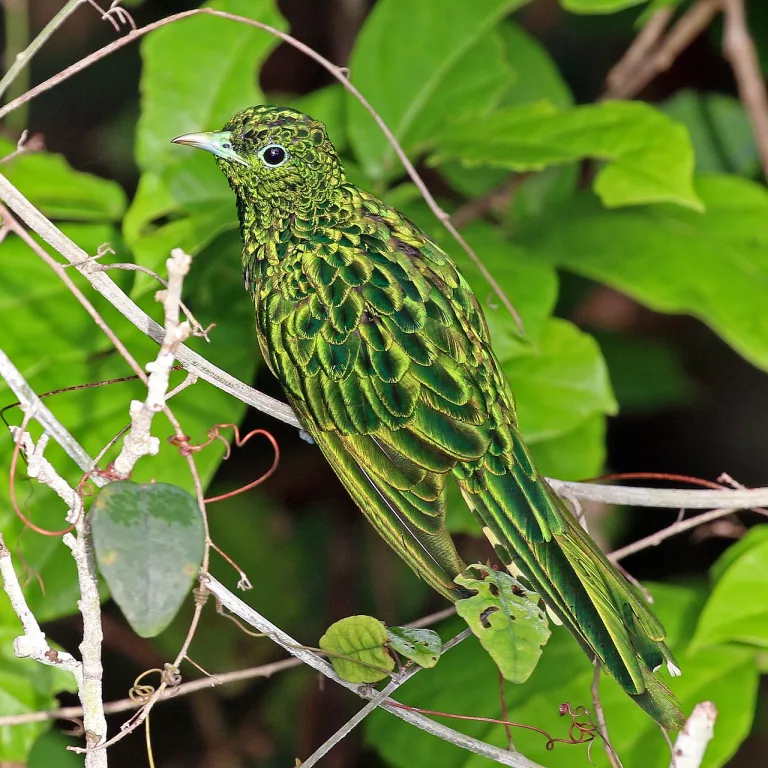
Charles J. Sharp/Wikimedia Commons
Several cuckoo species arrive in southern Africa during the warmer months, including the African emerald cuckoo and the red-chested cuckoo, which is known for its distinctive call. Many migrate within Africa rather than from Europe. Their movements often follow seasonal conditions and the availability of caterpillars and other insects.
Little stints and other migrant waders
These small shorebirds undertake extraordinary journeys between northern breeding grounds and African feeding areas. They gather at suitable wetlands, lagoons and estuaries, where exposed mud and shallow water offer rich feeding opportunities. Their survival depends on having enough undisturbed habitat to refuel before the next stage of migration.
Migration dates vary with species, weather and conditions at breeding grounds. Some birds begin arriving before spring, while others pass through later in the season. A visit to a promising birding site is therefore never a guarantee, but it can be an opportunity to observe nature’s seasonal rhythms.
Where to see South Africa’s summer migrants
West Coast National Park, Western Cape
The Langebaan Lagoon and surrounding mudflats attract waders and other waterbirds, particularly when feeding conditions are favourable. Bring binoculars and scan the shoreline for small birds feeding along the water’s edge. The park is also a good place to appreciate how coastal habitats support birds throughout the year.
Wakkerstroom, Mpumalanga
This birding destination is known for its wetlands and high-altitude grasslands. Summer brings increased activity as resident birds breed and seasonal visitors use the area. Look for waterbirds around the wetlands, while keeping an eye on the surrounding grasslands for species that favour open habitats.
iSimangaliso Wetland Park, KwaZulu-Natal
A network of lakes, estuaries, swamps, beaches and coastal forests makes this a valuable destination for waterbirds and other wildlife. Migrant waders and other seasonal visitors use its varied habitats, while resident species benefit from the same rich food sources.
Nylsvley Nature Reserve, Limpopo
The reserve protects an important seasonal floodplain and wetland system. Summer rainfall can transform the landscape, creating feeding and breeding opportunities for waterbirds. The number and variety of birds you see will depend on water levels, so check recent conditions before visiting.
Berg River estuary, Western Cape
The estuary near Velddrif is an excellent place to watch waders and waterbirds feeding in shallow water and on exposed mudflats. Migrants depend on these productive feeding grounds to build up energy reserves, making the estuary an important stop on their seasonal journeys.
Protecting the routes that keep birds moving
World Migratory Bird Day was observed on 10 October in 2026, putting the spotlight on the importance of protecting migratory birds and the habitats they need. However, their conservation cannot be limited to a single day.
Wetland drainage, pollution, coastal development and climate change can all affect the availability of food and safe resting places. Changes in rainfall can also alter water levels, leaving birds with fewer suitable feeding areas just when they need them most.
Birdwatchers can contribute by visiting natural areas responsibly, keeping their distance from nesting and feeding birds, and recording sightings through citizen-science platforms such as the Southern African Bird Atlas Project. These observations help researchers track changes in bird distribution and seasonal movements.
The next time a swallow darts overhead or a flock of waders gathers along an estuary, take a moment to consider the journey behind the sighting. These birds connect continents, climates and ecosystems, relying on a chain of healthy habitats that stretches far beyond South Africa’s borders.
Their arrival is a welcome sign of the changing season, but it is also a reminder that the future of migration depends on protecting the places where birds feed, rest and raise their young.
Follow us on social media for more travel news, inspiration, and guides. You can also tag us to be featured.
Instagram | Facebook | Twitter | Spotify
ALSO READ: