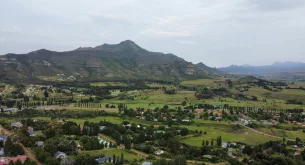





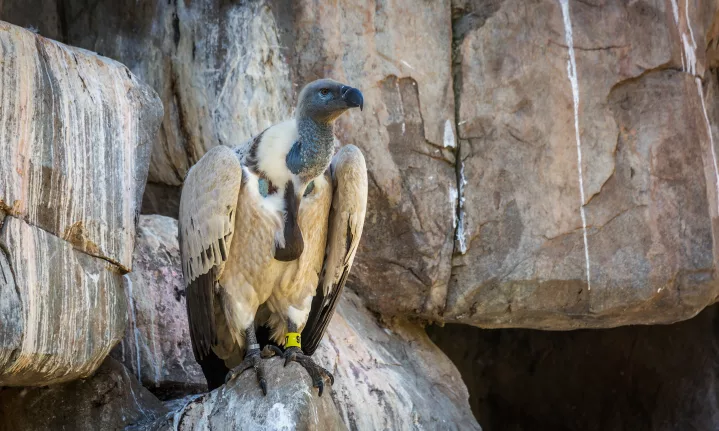
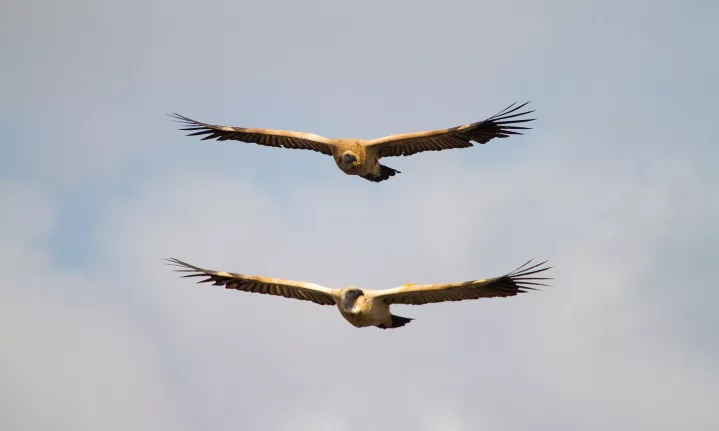
Vultures don’t exactly have the best PR. They’re often associated with death, bad omens and, in some cases, traditional medicine. But high above the Manutsa Mountains in Limpopo, these often-misunderstood birds are very much the stars of the show.
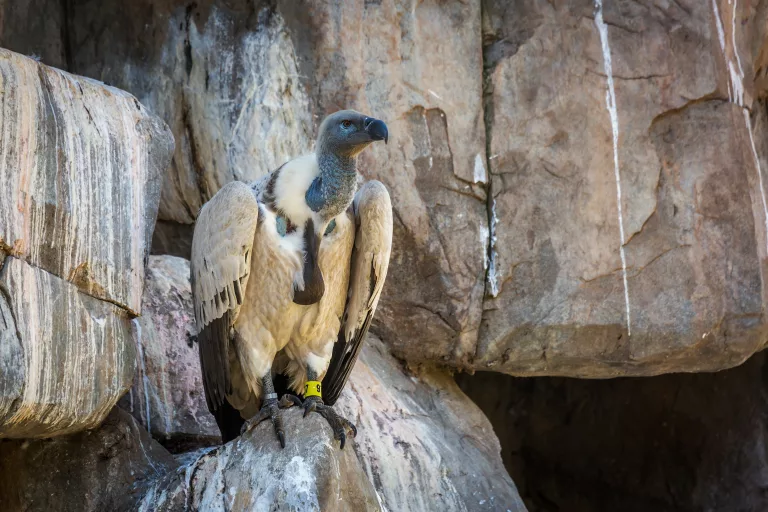
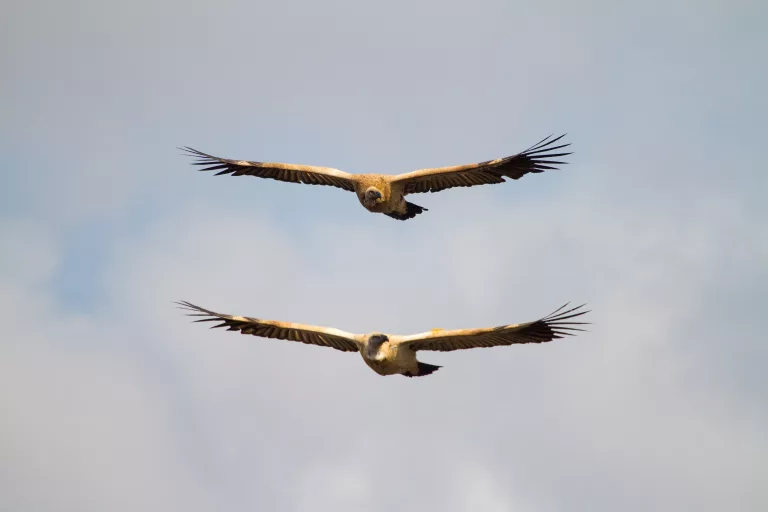
Today, 5 September, is International Vulture Awareness Day, and at Cape Vulture Nature Reserve near Hoedspruit, the day will involve a rather important headcount. Teams will position themselves on opposite cliffs and count the Cape Vultures nesting above the lodge, with around 728 breeding pairs currently calling the reserve home.
It is a number worth keeping tabs on. The reserve is home to the third-largest breeding colony of Cape Vultures in South Africa, and knowing how the population is doing is an important part of protecting it.
Getting a little closer to conservation
Cape Vulture Nature Reserve is a 1,800-hectare protected sanctuary dedicated to the conservation of the endangered Cape Vulture (Gyps coprotheres). Its work, together with the Endangered Wildlife Trust, goes well beyond protecting a few cliffs and hoping the birds stay put.
Cape Vultures face a number of threats, including poisoned carcasses, habitat loss and collisions with power lines. And when something goes wrong, finding out why can be a little like detective work.
“People arrive expecting a wildlife photo opportunity,” says Ashley Lambert, General Manager of Cape Vulture Nature Reserve. “They leave understanding a supply chain.”
Depending on what is happening in the field during a stay, guests can join researchers for a morning and see some of this work up close. That might mean helping with monitoring or learning what happens after a poisoning incident is reported.
It is a far cry from simply spotting a vulture from the back of a game-drive vehicle and ticking it off the list.
The misunderstood clean-up crew
It is easy to see why vultures have ended up with such an unfortunate reputation. They eat dead animals, after all. But that is precisely what makes them so useful.
Vultures can clear carcasses within hours, helping to prevent diseases such as anthrax and rabies from spreading through the region. In other words, that slightly grim-looking bird circling overhead is doing some very important housekeeping.
Their disappearance would leave a rather unpleasant gap in the ecosystem.
Old myths and beliefs about vultures have also contributed to their plight, which is why education forms another important part of the reserve’s work.
The reserve runs school programmes aimed at helping local children understand these birds and their role in the environment.
“You can tell someone a statistic about vulture decline, and it won’t land,” says Lambert. “But bring a child from the village up to the cliffs and show them the breeding pairs. Something shifts.”
And it is difficult to argue with that. Seeing hundreds of vultures soaring above you is likely to leave a bigger impression than a number on a worksheet.
From the cliffs to the veggie patch
One of the more unexpected parts of the reserve’s conservation work can be found on the ground rather than in the sky.
An on-site permaculture garden teaches local farmers organic growing methods that don’t rely on chemical pesticides. Fewer chemicals mean cleaner water downstream, which ultimately benefits the same landscape where the vultures nest.
It also brings the reserve’s conservation and community work together in a rather practical way.
Visiting groups can spend time working in the garden alongside local growers, too. For a corporate group or incentive trip, it makes for a rather different sort of team activity – one involving soil, vegetables and perhaps considerably less PowerPoint.
The idea is simple: conservation works better when the people living alongside the wildlife are part of it.
A stay with a little more meaning
Tourism plays an important role in keeping all of this going. Revenue from visitors helps fund conservation, while the conservation work creates opportunities for education and community development.
Guests staying at Cape Vulture Lodge can take part in guided walks and educational activities, and depending on what is happening during their visit, may have opportunities to see some of the reserve’s conservation work first-hand.
For families, couples, corporate groups and incentive travellers, it offers a different way of doing a wildlife stay. You still get the mountains, the wildlife and the chance to look up and watch Cape Vultures wheeling overhead – but you also get to understand a little more about what is being done to make sure they are still there in years to come.
And on International Vulture Awareness Day, that seems like a pretty good reason to look up.
ALSO SEE: 10 fascinating facts about elephants you may not know
Information and images: Phoenix Collective