



Wildlife travel in South Africa is often framed around game drives, lodges and carefully timed sightings. Yet some of the most memorable encounters happen when animals are simply part of the landscape, moving through places where people also live, swim, holiday and slow down.
Below are places where wildlife is woven into everyday life, offering encounters that feel natural, ethical and refreshingly low-pressure, writes Lee-Ann Steyn.
When wildlife is part of daily life, not an itinerary
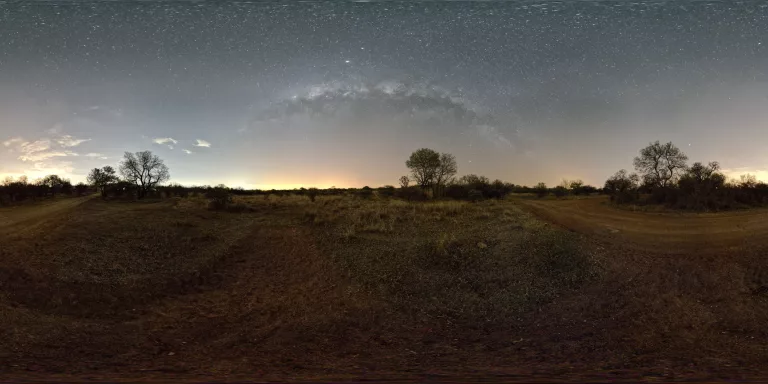
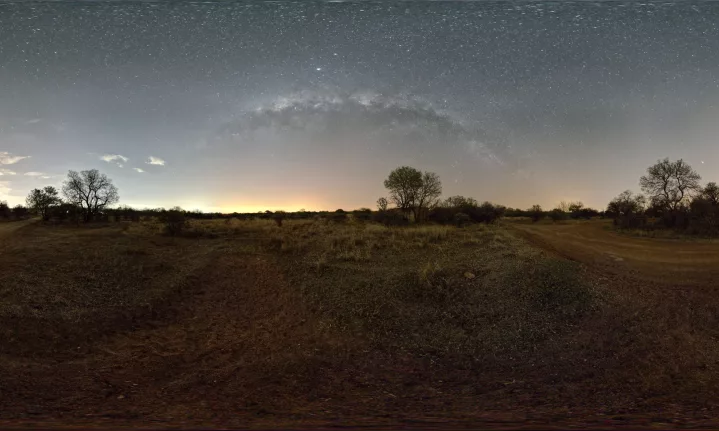
Night sky at Dikhololo Game Reserve/Greg Zaal/Wikimedia Commons
Dikhololo Game Reserve, North West
At Dikhololo Game Reserve, wildlife does not announce itself with a ranger’s radio call or a sunrise departure time. Plains game wander between chalets, graze near walking paths and appear unexpectedly during afternoon strolls. Zebra, wildebeest and antelope move freely through the resort, often closer to the pool than a viewing deck.
What makes Dikhololo distinctive is its lack of performance. Guests are not chasing sightings. Instead, wildlife becomes part of the background rhythm of a family holiday, a braai evening or a slow morning coffee. Children learn to observe animals calmly. Adults relearn patience. The experience feels less like visiting a reserve and more like sharing space with it.
This is wildlife without urgency and without spectacle, which makes it deeply accessible for first-time travellers and families seeking a gentle introduction to the bush.
Coastal encounters where animals set the pace

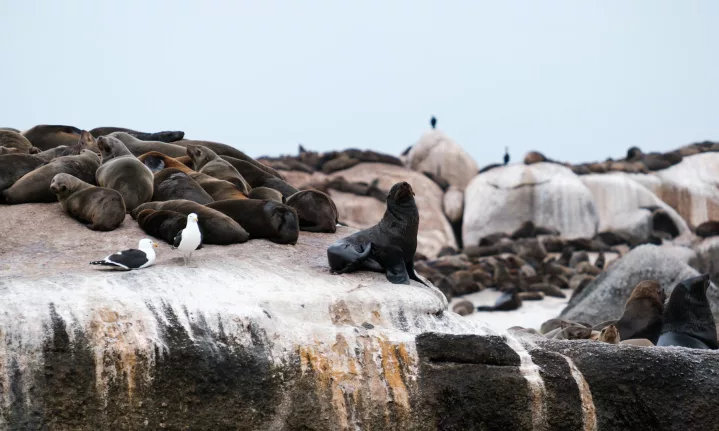
Duiker Island and the everyday life of seals
A short boat ride from Hout Bay leads to Duiker Island, home to a large Cape fur seal colony. Boats circle at a respectful distance while seals bark, sun themselves on rocks and dive through the kelp. There is no choreography here, just a colony going about its daily routines.
Because the island is not enclosed or curated, the experience feels observational rather than interactive. Visitors witness social behaviour, play and hierarchy without interruption. It is a reminder that marine wildlife exists beyond aquariums and displays, thriving within reach of a busy city.
ALSO READ:
5 pet-friendly hiking trails in South Africa where paws are welcome
Wildlife encounters that celebrate small moments

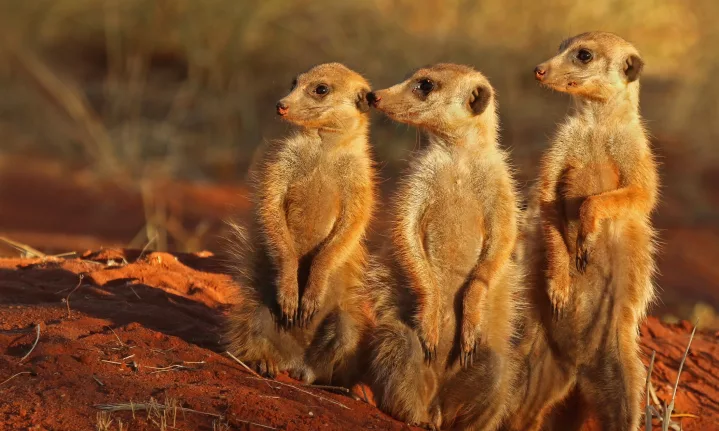
Meerkats at Tswalu Kalahari Reserve/Charles J. Sharp/Wikimedia Commons
Meerkats and the power of patience
In parts of South Africa, habituated meerkat groups can be observed in open landscapes where their social structures unfold naturally. These experiences rely on stillness rather than stimulation. Visitors sit, wait and watch as sentries stand guard, pups tumble, and the group moves together across the sand.
What lingers is not a dramatic moment but a shared calm. These encounters teach travellers how powerful wildlife experiences can be when humans adapt their pace to animals, not the other way around.
Coastal wildlife you stumble upon, not book in advance

Boulders Beach/Bernd M. Schell/Unsplash
Boulders and Betty’s Bay penguins as neighbours
At Boulders Beach and in nearby Betty’s Bay, penguins are not hidden behind fences or deep inside reserves. They live beside parking lots, beaches and walking trails. Visitors share space rather than step into a designated attraction.
The charm lies in unpredictability. Penguins cross roads, nap under bushes and stand watching swimmers from the rocks. These encounters feel like chance meetings rather than scheduled experiences, reinforcing the idea that wildlife thrives when space is respected, not controlled.
Why these encounters resonate more deeply
Less performance, more presence
Experiences that do not feel like tourism tend to remove pressure. There is no rush to tick off sightings and no sense of missing out. Wildlife becomes part of the environment rather than the main event.
Ethical by nature, not by label
When animals are free to move, ignore or approach on their own terms, ethics are built into the experience. There is no feeding, handling or coercion, only observation and respect.
Perfect for slow and family travel
Low-pressure wildlife encounters work particularly well for families, coastal travellers and anyone seeking rest rather than adrenaline. These moments are quieter but often more memorable.
How to seek out wildlife without the tourist filter
Look beyond the big names
Smaller reserves, coastal villages and community-managed spaces often offer richer, more personal encounters than headline attractions.
Choose places where wildlife exists all year round
Animals that live permanently in an area behave naturally. Seasonal or staged encounters often feel less authentic.
Accept unpredictability
The most meaningful wildlife moments cannot be scheduled. Patience is part of the reward.
The quiet future of wildlife travel
As travellers become more conscious of impact, wildlife experiences that feel woven into daily life are gaining value. They ask less of animals and more of people. They reward attention rather than expectation.
In these spaces, wildlife is not something to be consumed. It is something to be shared.
Follow us on social media for more travel news, inspiration, and guides. You can also tag us to be featured.
TikTok | Instagram | Facebook | Twitter
ALSO READ:

.jpg)
_Tswalu.jpg)