



Forget the Big Five safaris for a moment. In South Africa’s cities, wildlife has a way of surprising you right outside your front door.
From owls nesting in Johannesburg estates to mongooses darting across Cape Town driveways and bat colonies roosting in suburban rooftops, these encounters remind us that the wild isn’t always out there – it’s right here, woven into our daily urban landscapes.
Owls in Johannesburg: Feathered hunters of the suburbs
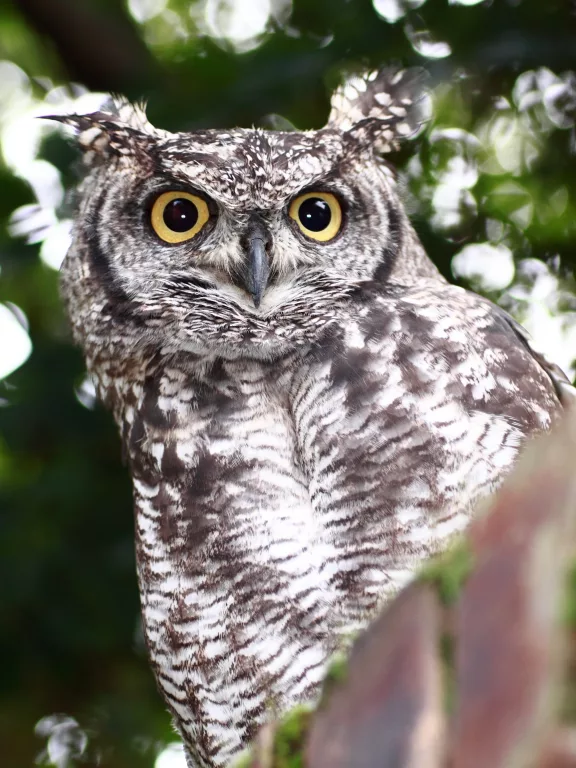
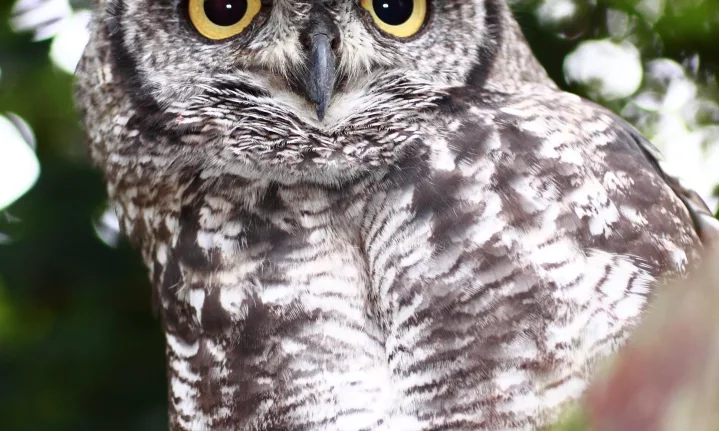
A Spotted Eagle-owl in Johannesburg/GalliasM, Public domain, via Wikimedia Commons
Johannesburg may be known for its skyline and gold-rush history, but after sunset it belongs to the owls. Spotted Eagle Owls are increasingly seen in leafy suburbs like Fourways and Boksburg, where tall trees and garden estates mimic their natural habitat.
Projects such as Owl Rescue Centre’s Owl House Project provide artificial nesting boxes, helping species like Barn Owls and Spotted Eagle Owls thrive amid urban sprawl. Residents often wake to the eerie calls of these nocturnal hunters, and those lucky enough might even spot an owl swooping silently between streetlights in search of rodents.
For eco-curious travellers, several estates and community groups now run owl-ringing demonstrations and educational evenings, turning what was once considered a nuisance into an opportunity to engage with Johannesburg’s hidden wildlife.
Mongooses in Cape Town’s backyards
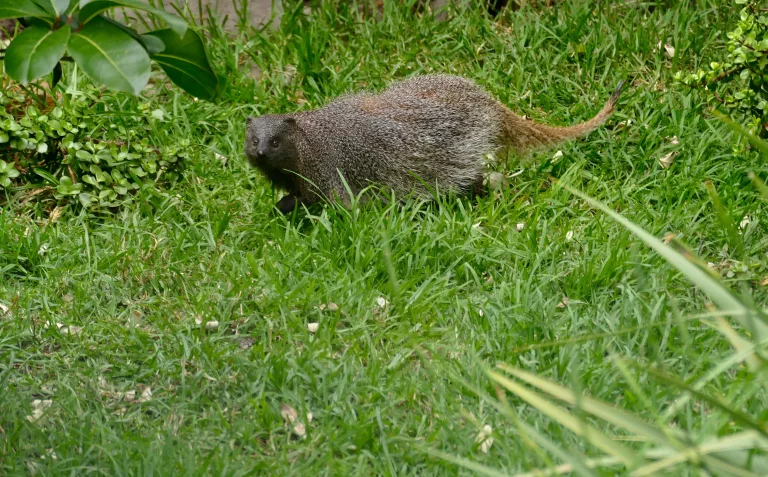
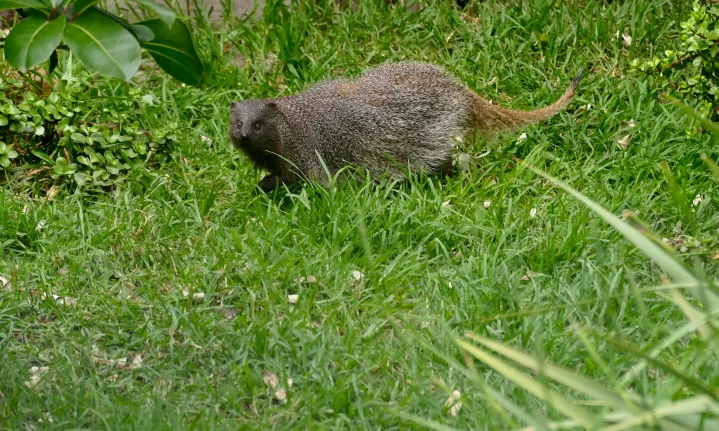
[Image used for illustrative purposes]Egyptian Mongoose at World of Birds, Hout Bay/Bernard DUPONT from FRANCE/Wikimedia Commons
Cape Town isn’t just home to Table Mountain and penguins – it also has a growing reputation for small, scrappy carnivores showing up in suburban gardens. The Cape grey mongoose, usually shy and reclusive, has adapted to urban life with surprising ease.
In southern suburbs like Kenwyn and Lansdowne, mongooses have been spotted darting through driveways, scavenging in compost heaps, and occasionally clashing with domestic pets. In coastal estates, they’re known to trot boldly along pathways in broad daylight.
Although conservationists caution against feeding or attempting to tame them, their presence adds a distinctly African flavour to the city’s wildlife tapestry. For visitors, spotting a mongoose in the middle of suburbia can be as memorable as seeing one in the veld – just far more unexpected.
Bat colonies overhead
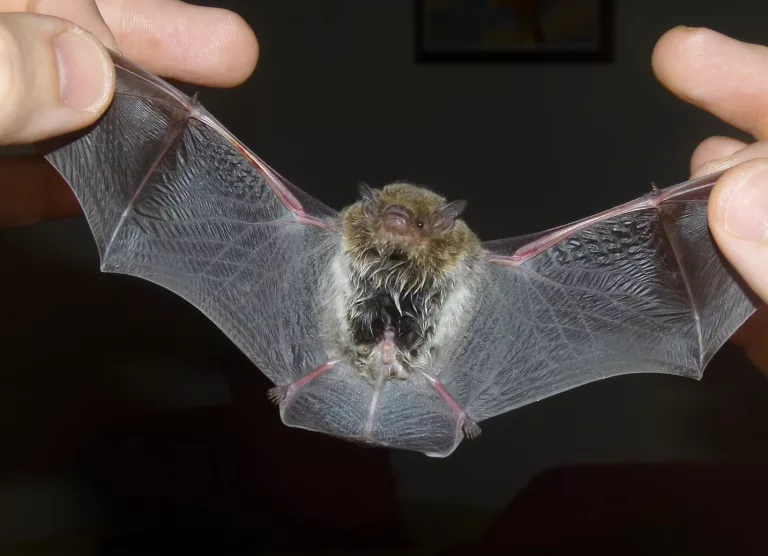
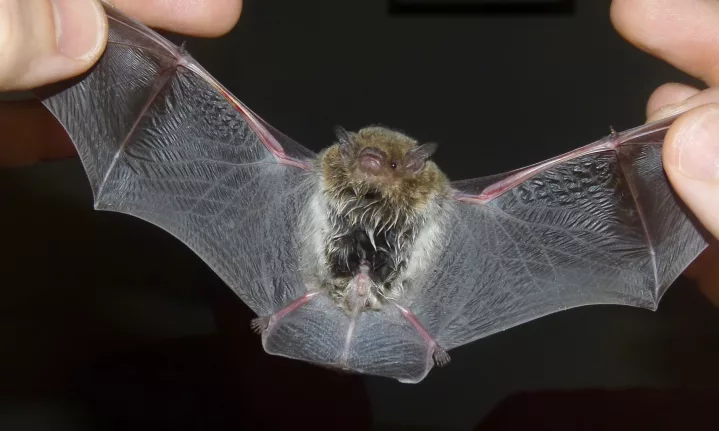
Cape Serotine/Bernard DUPONT/Wikimedia Commons
When evening falls in South Africa’s cities, another urban dweller stirs. Bats – often misunderstood and maligned – play a vital role in controlling insect populations, with a single bat eating thousands of mosquitoes in a night.
In Gauteng, species like the Cape Serotine and Yellow House Bat often roost in roofs, attics, and church steeples. In Cape Town, the Cape horseshoe bat has been documented in old buildings and bridges, while suburban gardens with large trees attract insect-eating species on summer nights.
Local conservation groups, such as Bats Gauteng, encourage homeowners to install bat boxes, creating safe roosts while keeping unwanted insects in check. For the urban adventurer, a dusk walk in a leafy neighbourhood can feel like a mini safari: look up, and you’ll see bats weaving through streetlamps in a silent aerial ballet.
Living with the wild in the City
While these encounters bring delight, they also highlight challenges. Wildlife faces dangers from cars, domestic pets and shrinking green spaces, while humans worry about noise, disease, or property damage. Yet coexistence is possible.
Cities like Johannesburg and Cape Town are starting to integrate biodiversity into planning – from owl conservation projects to community bat-monitoring programmes. For residents and visitors alike, the message is clear: South Africa’s cities aren’t concrete jungles alone. They’re living landscapes where wild neighbours still thrive.
Why it matters for travellers
For tourists, urban wildlife encounters add an extra dimension to South Africa’s travel experience. You don’t need to trek deep into Kruger to be reminded of the continent’s natural wealth – it might reveal itself in the hoot of an owl above a Joburg street, a mongoose streaking across a suburban road in Cape Town, or bats flickering past the lights on a warm summer evening.
Follow us on social media for more travel news, inspiration, and guides. You can also tag us to be featured.
TikTok | Instagram | Facebook | Twitter
ALSO READ: Winter rains spark rare floral bloom in Chile’s Atacama Desert





_(32862275911).jpg)
