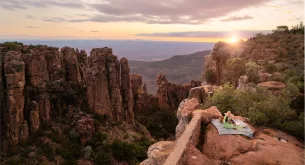



In the heart of the Northern Cape’s Green Kalahari, an extraordinary landscape breaks up the familiar palette of rust-red earth and sparse desert vegetation. Here, towering white dunes rise unexpectedly from the surrounding terrain, creating one of South Africa’s most unusual natural contrasts.
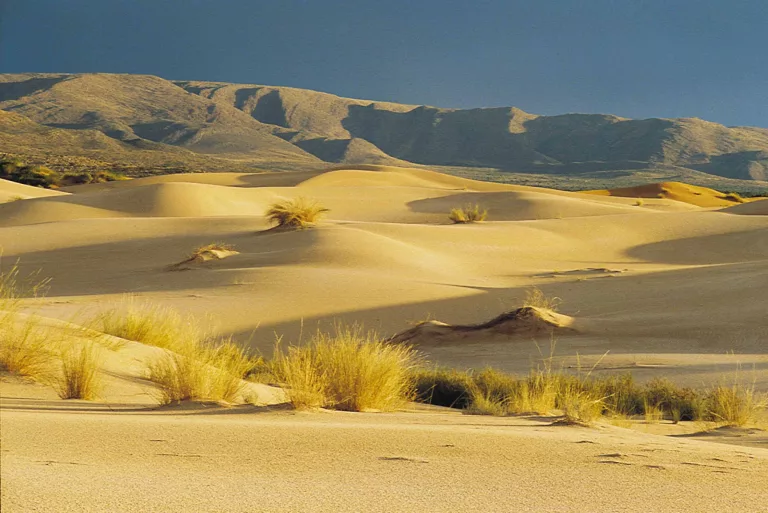
Witsand/South African Tourism from South Africa/Wikimedia Commons
This is Witsand Nature Reserve, a remote wilderness destination where the dunes are as fascinating for their geological origins as they are for the mysterious sounds they sometimes produce. Known as the Roaring Sands of the Kalahari, or Brulsand in Afrikaans, the dunes are part of a landscape that offers far more than an unusual photographic opportunity.
With wildlife encounters, walking trails, birdwatching, outdoor adventures and remarkably clear night skies, Witsand offers visitors an opportunity to experience a different side of the Northern Cape.
Where the Kalahari turns white
The first thing visitors notice about Witsand is the striking contrast between its pale dunes and the reddish landscape surrounding them. While much of the Kalahari is characterised by iron-rich sand and hardy vegetation, Witsand’s central dune field appears almost out of place.
The reserve protects approximately 3,500 hectares of this distinctive landscape, with its white dunes rising dramatically against the red earth, acacia woodland and distant Langberg mountains.
The dunes are believed to have formed around an isolated range of buried hillocks, beneath which groundwater has played an important role in shaping the landscape. Over millions of years, this moisture gradually leached the red iron-oxide coating from the sand grains, leaving behind the pale quartz sand that gives the reserve its name.
The result is a remarkable geological feature that makes Witsand one of the most distinctive landscapes in the Green Kalahari.
The mysterious phenomenon of the roaring sands
One of Witsand’s most intriguing attractions is not something visitors can see, but something they might hear.
The reserve is home to the famous Brulsand, or roaring sands, a phenomenon in which the dunes produce a deep, resonating hum or rumble under particular conditions.
The sound is created when countless sand grains move and rub against one another. When the sand is sufficiently dry and the conditions are right, this movement can produce an almost musical vibration that carries across the dunes.
It is an unusual natural occurrence that has earned Witsand a place among South Africa’s more fascinating geological destinations. However, the sound is not guaranteed on every visit, as moisture, temperature and the condition of the sand all influence whether the phenomenon occurs.
For travellers, this makes exploring the dunes particularly interesting. Even without hearing the roar, the scale, texture and unusual colour of the landscape offer plenty to appreciate.
ALSO READ:
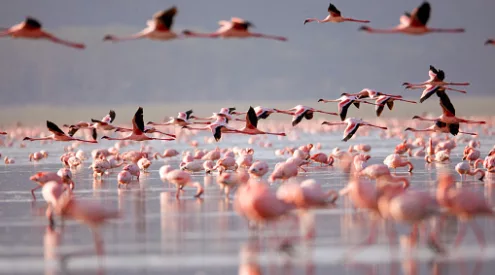
Why flamingos thrive in lakes where few other birds can survive
Wildlife in the heart of the Green Kalahari
Beyond its remarkable dunes, Witsand is an important habitat for wildlife adapted to the region’s dry conditions.
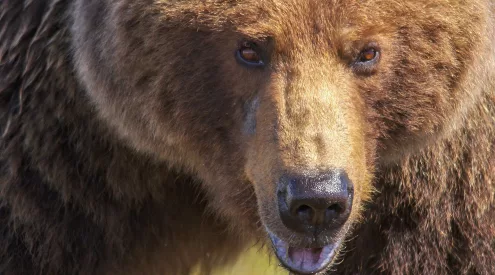
The reserve supports a variety of mammals, including gemsbok, springbok, kudu, red hartebeest, meerkats and smaller, more elusive desert-dwelling species. With patience and a little luck, visitors may also encounter animals such as aardvarks, bat-eared foxes and aardwolves.
The surrounding vegetation provides shelter and food for wildlife, while the reserve’s varied habitats create opportunities for spotting different species throughout the year.
Birdlife is another major attraction. Witsand is particularly appealing to birdwatchers, with species associated with the arid Kalahari environment found across the reserve.
Look out for sociable weavers and their enormous communal nests, Namaqua sandgrouse and pygmy falcons, among other species. The sociable weaver nests are especially fascinating, sometimes appearing as enormous structures suspended from trees and providing shelter for multiple breeding pairs.
Whether exploring the reserve on foot or joining a guided drive, wildlife watching adds another dimension to a visit that might initially seem all about the dunes.
Things to do at Witsand Nature Reserve
Witsand is not simply a destination for admiring the scenery. Its combination of open landscapes, wildlife and outdoor facilities makes it an appealing stop for travellers looking to spend more time exploring the Northern Cape.
Explore the dunes on foot
Walking is one of the simplest ways to appreciate the reserve’s unusual landscape. The white dunes offer opportunities to explore the textures, slopes and shifting patterns of the sand, while the surrounding vegetation provides a different perspective on the Kalahari ecosystem.
The reserve also has a botanical walking trail of approximately 3km, introducing visitors to the indigenous plants that survive in this arid environment.
It is worth taking time to notice the smaller details along the way, from hardy shrubs and desert-adapted vegetation to animal tracks imprinted in the sand.
Try your hand at sandboarding
For visitors seeking something more adventurous, the dunes provide opportunities for sandboarding.
Sliding down the pale slopes offers a completely different way to experience the landscape, particularly for families and travellers who enjoy outdoor activities.
As with any activity in a protected natural area, visitors should use designated areas and follow the reserve’s safety instructions.
Discover the reserve on a 4×4 adventure
The wider Kalahari landscape is also suited to four-wheel-drive exploration. Guided drives offer opportunities to experience the reserve’s varied terrain and look for wildlife while learning more about the area’s natural environment.
Night drives are particularly appealing for those hoping to spot some of the region’s nocturnal residents, which are often difficult to encounter during the heat of the day.
Visitors should confirm which routes and activities are available when making their bookings.
Spend time birdwatching
With its interesting mix of dryland bird species, Witsand is a worthwhile destination for birdwatchers.
Sociable weavers, pygmy falcons and Namaqua sandgrouse are among the species to look out for. The reserve’s quieter areas offer opportunities to observe birdlife without the distractions of busier tourist destinations.
Even visitors without specialist birding equipment can enjoy the experience, particularly when taking time to observe the nests, calls and movements of the reserve’s resident species.
Look up at the Kalahari night sky
When the sun sets, Witsand reveals another reason to stay overnight.
Far from the bright lights of major towns and cities, the reserve’s remote setting offers excellent opportunities for stargazing. The clear, open skies of the Kalahari make it possible to appreciate the stars, constellations and Milky Way in a way that is increasingly difficult to experience in urban areas.
After a day spent exploring the dunes, an evening outdoors offers a quieter way to appreciate the surrounding wilderness.
Where to stay at Witsand Nature Reserve
Witsand is well suited to travellers who want to spend more than a few hours exploring the area.
Accommodation options within the reserve include chalets, self-catering units and camping facilities, catering to different travel styles and budgets. Visitors can choose between a more comfortable overnight stay or a traditional camping experience beneath the Kalahari sky.
Staying overnight also allows more time for early-morning wildlife watching, afternoon exploration and the possibility of experiencing the roaring sands when conditions are favourable.
Travellers should contact the reserve directly to confirm accommodation availability, facilities, rates and booking arrangements before setting off.
Planning a visit to Witsand Nature Reserve
Witsand Nature Reserve is situated in the Northern Cape’s Green Kalahari region, approximately 80km south of Olifantshoek. Its relatively remote location makes it a destination worth incorporating into a longer Northern Cape road trip.
The region experiences hot summers and cooler winter conditions, with temperatures varying considerably between day and night. Summer visitors should be prepared for high daytime temperatures, while winter travellers may encounter chilly evenings and mornings.
For the best experience, pack comfortable walking shoes, sun protection, sufficient drinking water and binoculars if birdwatching is on the itinerary. Visitors planning outdoor activities should check conditions and availability with reserve management before travelling.
It is also worth allowing enough time to explore beyond the main dunes. The surrounding Kalahari landscape, wildlife and night skies are all part of what makes this destination special.
Witsand is a reminder that South Africa’s natural wonders are not always found in its most familiar destinations. In this remote corner of the Northern Cape, a landscape of white sand, red earth and remarkable wildlife offers a different kind of wilderness experience, one that is as intriguing as it is beautiful.
Follow us on social media for more travel news, inspiration, and guides. You can also tag us to be featured.
Instagram | Facebook | Twitter | Spotify
ALSO READ:
Mpenjati Nature Reserve: Exploring one of KwaZulu-Natal’s overlooked estuaries