
After months of heavy summer rain and widespread flooding, Kruger National Park is preparing for what could be a particularly active winter fire season.
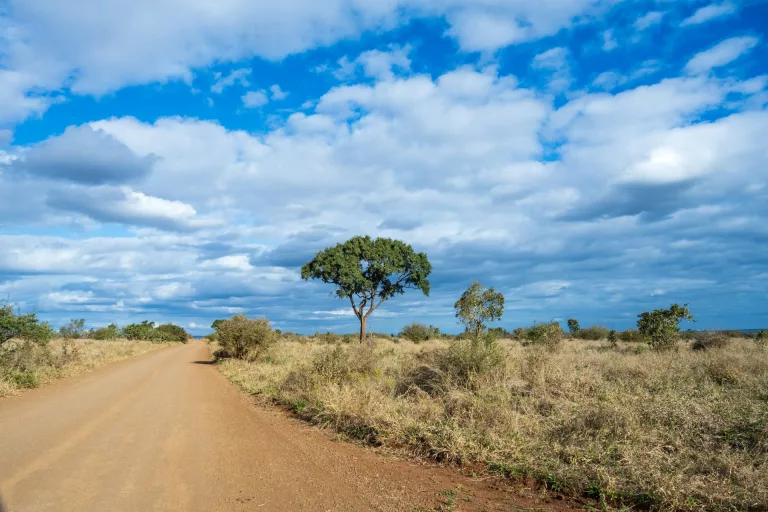
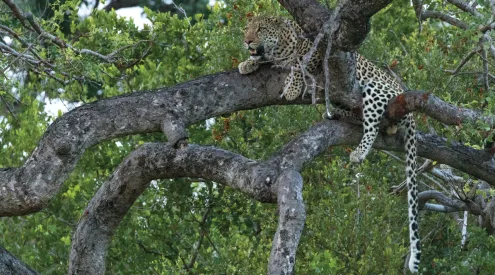
Image used for illustrative purposes/Ben Michel/Unsplash
The park has started implementing controlled management burns as part of its annual fire readiness programme, which typically runs between June and October. According to SANParks, the unusually high rainfall recorded this summer has led to dense grass growth across large sections of the park, creating the ideal fuel load for veldfires during the dry months ahead.
While fires are a natural and necessary part of the Lowveld ecosystem, officials say the conditions this year could result in more extensive burn areas than those seen in recent seasons.
In Kruger, fire plays a critical ecological role. Many plant species depend on periodic burns to regenerate, while freshly burned landscapes often attract grazing animals such as zebra, buffalo and wildebeest, drawn by nutrient-rich new grass shoots that emerge shortly afterwards.
To reduce the risk of uncontrolled wildfires later in winter, rangers have begun carrying out proactive burns early in the season. These controlled fires are designed to lower grass density and protect both biodiversity and infrastructure.
Firebreaks are also being maintained around tourist camps, gates, staff villages and sections of the park boundary as part of broader safety measures.
SANParks says fire activity will be monitored continuously using ranger patrols alongside satellite mapping technology. The organisation added that experienced ranger teams and support staff have already begun preparations to respond quickly should conditions worsen during the peak fire months.
The renewed focus on preparedness comes at a challenging time for the park, which is still recovering from severe flood damage caused by summer rainfall earlier this year.
Follow us on social media for more travel news, inspiration, and guides. You can also tag us to be featured.
Instagram | Facebook | Twitter
ALSO READ:
From ash to abundance: How fire shapes biodiversity in South Africa