




Mozambique is charting an ambitious new course for its aviation sector, unveiling a US$710 million Civil Aviation Master Plan that aims to modernise the country’s airports, expand connectivity and strengthen its position as a Southern African travel hub over the next two decades.
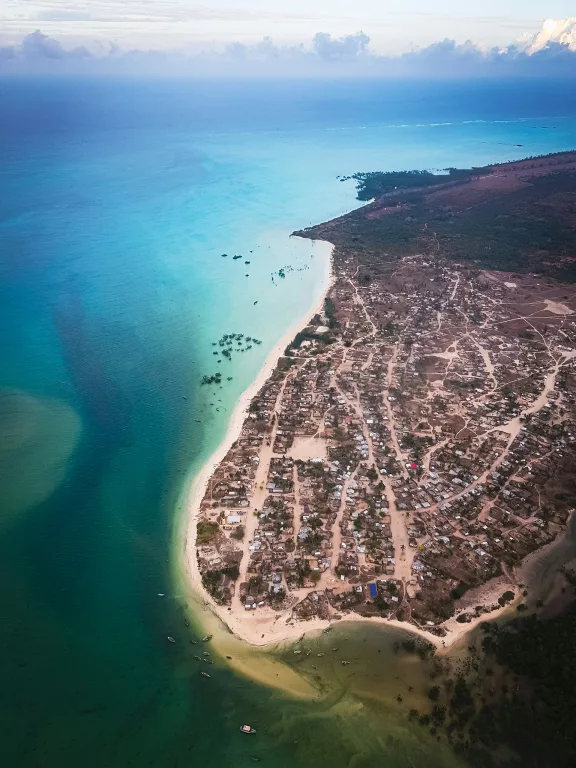
Image used for illustrative purposes/Dimitry B/Unsplash
As reported by travelnews.africa, the long-term strategy, which runs from 2026 to 2045, places aviation at the heart of the country’s economic growth plans. It outlines major investments in airport infrastructure, air navigation systems and safety standards, while encouraging greater private-sector participation to support future expansion.
For travellers, the plan could translate into improved domestic and regional air links, more efficient airport facilities and better access to some of Mozambique’s most sought-after coastal and wildlife destinations.
One of the key targets is the growth of passenger traffic at Maputo International Airport, which is projected to handle around 2.8 million passengers annually as infrastructure upgrades are completed. Officials also expect the strategy to improve national connectivity, making travel between Mozambique’s provinces faster and more reliable while strengthening links with neighbouring countries.
The masterplan also prioritises compliance with international aviation safety and security standards, an essential step in attracting new airlines and expanding existing routes. Alongside airport upgrades, authorities intend to modernise air traffic management systems and improve operational efficiency across the country’s aviation network.
Tourism is expected to be one of the biggest beneficiaries.
Mozambique’s Indian Ocean coastline, marine reserves and island escapes have long drawn international visitors, but improved air access could make these destinations easier to reach while opening opportunities for lesser-known regions to attract investment and tourism.
The aviation strategy also aligns with broader regional goals to strengthen trade and mobility across Southern Africa, positioning Mozambique as an increasingly important gateway between the region and international markets.
While the roadmap stretches nearly 20 years into the future, its success will ultimately depend on sustained investment, effective implementation and collaboration between government and the private sector. If those ambitions are realised, Mozambique’s skies could look very different by 2045, with stronger regional connections benefiting both travellers and the country’s growing tourism economy.
(Source: travelnews.africa)
Follow us on social media for more travel news, inspiration, and guides. You can also tag us to be featured.
Instagram | Facebook | Twitter | Spotify
ALSO READ:
11 offbeat South African towns that could be your perfect match