



A community-led conservation initiative is helping restore Hout Bay’s rivers and wetlands while making public spaces safer and more accessible for residents and visitors, as told by Good Things Guy.
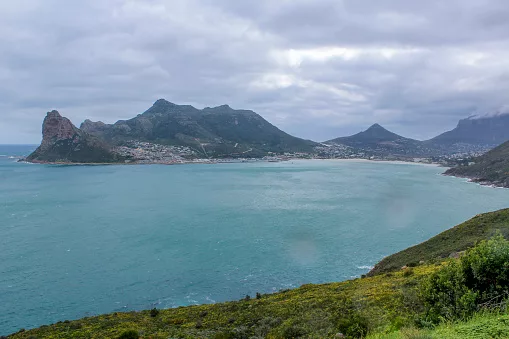
Image of Hout Bay used for illustrative purposes/By: Catherine Scotton
iStock
Over the past few months, the Friends of the Rivers of Hout Bay (FORHB) has expanded its conservation work, tackling invasive vegetation, improving wetland access and encouraging greater community involvement in protecting one of Cape Town’s important urban ecosystems.
Restoring Hout Bay’s waterways
For years, Hout Bay’s rivers and wetlands have faced mounting pressure from pollution, invasive alien vegetation and urban development. In response, residents established Friends of the Rivers of Hout Bay to rehabilitate and protect the area’s freshwater ecosystems.
The organisation regularly coordinates litter clean-ups along the Hout Bay River, nearby wetlands, beaches and surrounding natural areas. More recently, its efforts have grown through a series of restoration and infrastructure projects supported by the City of Cape Town’s Water and Sanitation grant funding programme.
ALSO READ:
Dog rescued from Scotland’s Ben Nevis following suspected cannabis exposure
Removing invasive plants and protecting biodiversity
Funding has enabled the group to remove invasive alien vegetation from several environmentally significant sites, including Kadotstroom, Hughenden Stream, Longkloof Weir, Bethal Public Open Space and sections of the lower river and wetland.
The work is particularly important at Hughenden Stream, which forms part of the endangered Cape Granite Fynbos ecosystem. Removing invasive species helps indigenous plants recover, improves water flow and creates healthier habitats for local wildlife.
In addition to clearing alien vegetation, volunteers have installed erosion control measures and planted indigenous species to support long-term ecological restoration.
A new boardwalk improves wetland access
One of the project’s most visible improvements is a new 14-metre boardwalk constructed from recycled plastic along the Hout Bay Wetland Walk.
Previously, this section became difficult to cross during winter, limiting access for pedestrians, runners and walkers. The elevated walkway now provides a safer, year-round route through the wetland while helping protect sensitive vegetation from foot traffic.
Community clean-ups and environmental education
The organisation continues to encourage community participation through regular clean-up events.
A beach clean-up held on Human Rights Day at Hout Bay Beach saw volunteers collect 20 bags of litter while raising awareness about the environmental impacts of waste entering rivers and the ocean.
Education also forms an important part of FORHB’s work. In partnership with the City of Cape Town’s Communications and Partnerships branch, the group has been engaging with young people who swim in local waterways to promote water safety, environmental responsibility and respectful use of shared public spaces.
Supporting long-term conservation
Grant funding has also helped the organisation acquire a dedicated vehicle, improving its ability to transport equipment, volunteers and materials between restoration sites.
“The funding from the City’s Water and Sanitation Directorate has enabled us to make a significant impact on three areas of the river corridor and the wetland. We have removed invasive species, installed erosion control measures, and done some planting. We are excited about the improved state of the Hout Bay River catchment because of this funding and the work completed,” said Jackie Whales of Friends of the Rivers of Hout Bay.
As restoration work continues, the organisation hopes its efforts will not only improve the health of Hout Bay’s rivers and wetlands but also create welcoming public spaces where people and nature can thrive together.
Did you know?
Healthy urban rivers and wetlands help reduce flooding, filter pollutants, support biodiversity and provide valuable recreational spaces for local communities.
Follow us on social media for more travel news, inspiration, and guides. You can also tag us to be featured.
Instagram | Facebook | Twitter | Spotify
ALSO READ:
Researchers identify what caused Earth’s biggest mass extinction