



According to Euronews, the unprecedented heat is part of a broader climate trend that is increasing risks to public health, agriculture and water security across the region.
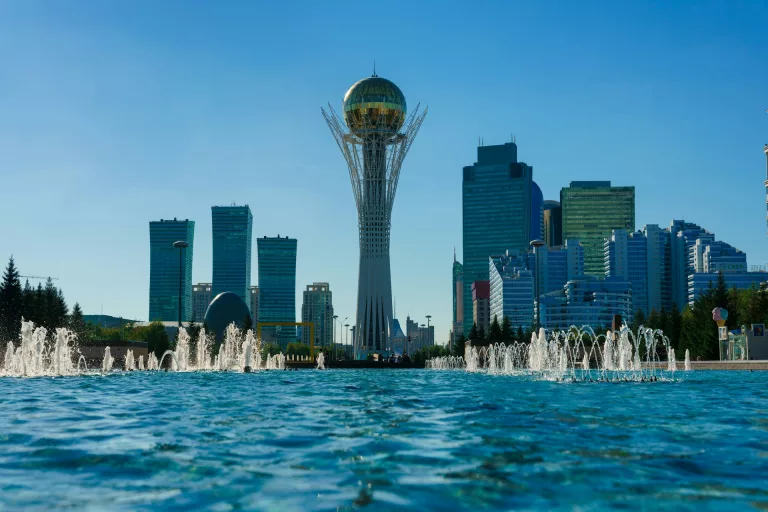
Astana/Viktor Hesse/Unsplash
Summer is only halfway through in Kazakhstan’s capital, but Astana has already experienced two record-breaking heatwaves.
On July 14, temperatures climbed to 39.5°C, eclipsing the previous record of 35.3°C that had stood since 1991. Just weeks earlier, on 23 June, the city recorded 36.8°C, narrowly surpassing the previous record of 36.4°C, set in 1941.
Authorities have continued issuing heat warnings through Kazakhstan’s emergency alert system as temperatures remain around 36°C.
The extreme conditions extend far beyond the capital. Parts of southern and southwestern Kazakhstan have recorded temperatures between 44°C and 48°C, with the country’s national weather service forecasting little relief before the end of July.
Heatwave raises health concerns
The soaring temperatures are placing growing pressure on public health.
According to UNICEF, nearly three-quarters of Kazakhstan is exposed to climate-related risks that affect human health. Meanwhile, the World Bank has warned that, without stronger climate adaptation, heat-related deaths across Europe and Central Asia could triple by 2050.
Kazakhstan’s Ministry of Health told Euronews that the country does not yet track heat-related deaths as a separate national statistic. While public heat alerts and advice for vulnerable groups are already in place, officials acknowledge that Kazakhstan has yet to implement a comprehensive Heat-Health Action Plan aligned with World Health Organization (WHO) recommendations.
WHO Regional Director for Europe, Dr Hans Henri P. Kluge, urged governments to prepare before future heatwaves strike.
“Every country – including Kazakhstan – needs a heat-health action plan before the next summer, not during it.”
The WHO estimates that countries with dedicated heat-health plans can reduce excess heat-related deaths by around 25%.
ALSO READ:
Where the locals have four legs: South African stays with unforgettable resident animals
A warning sign of a warming climate
Experts say the recent heat is not an isolated weather event but part of a long-term warming trend affecting Central Asia.
Kazakhstan’s national weather service reports that the country is warming faster than the global average. In 2025, it experienced its warmest year on record, with average temperatures almost 3°C above the long-term climate norm.
Longer and more frequent heatwaves are increasing the risk of drought, particularly across southern and western Kazakhstan, while also creating conditions that make wildfires more likely.
Glaciers, water and food security at risk
Climate experts also warn that rising temperatures are accelerating glacier melt across Kazakhstan.
According to climate analysts, the country’s glaciers have already lost between 14% and 30% of their mass since 1950. While increased melting temporarily boosts river flows, shrinking glaciers are expected to reduce water supplies in the decades ahead.
Declining flows in major rivers could threaten irrigation, agriculture and energy production across Central Asia. For Kazakhstan, one of the world’s leading wheat exporters, prolonged heat and drought could also affect crop yields and regional food security.
As one of the world’s coldest capitals grapples with record-breaking summer temperatures, Astana’s heatwave offers another stark reminder of how climate change is reshaping weather patterns worldwide.
Follow us on social media for more travel news, inspiration, and guides. You can also tag us to be featured.
Instagram | Facebook | Twitter | Spotify
ALSO READ: