


Zimbabwe has added another remarkable chapter to Africa’s prehistoric story with the discovery of a new dinosaur species that roamed the region around 210 million years ago.
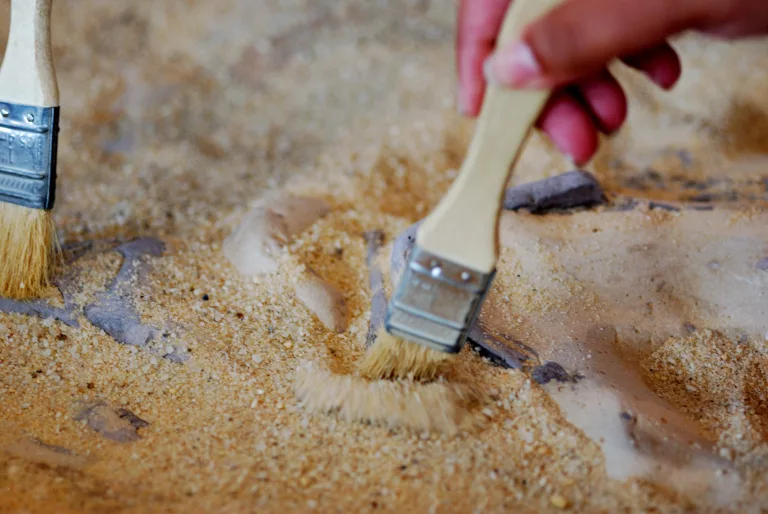
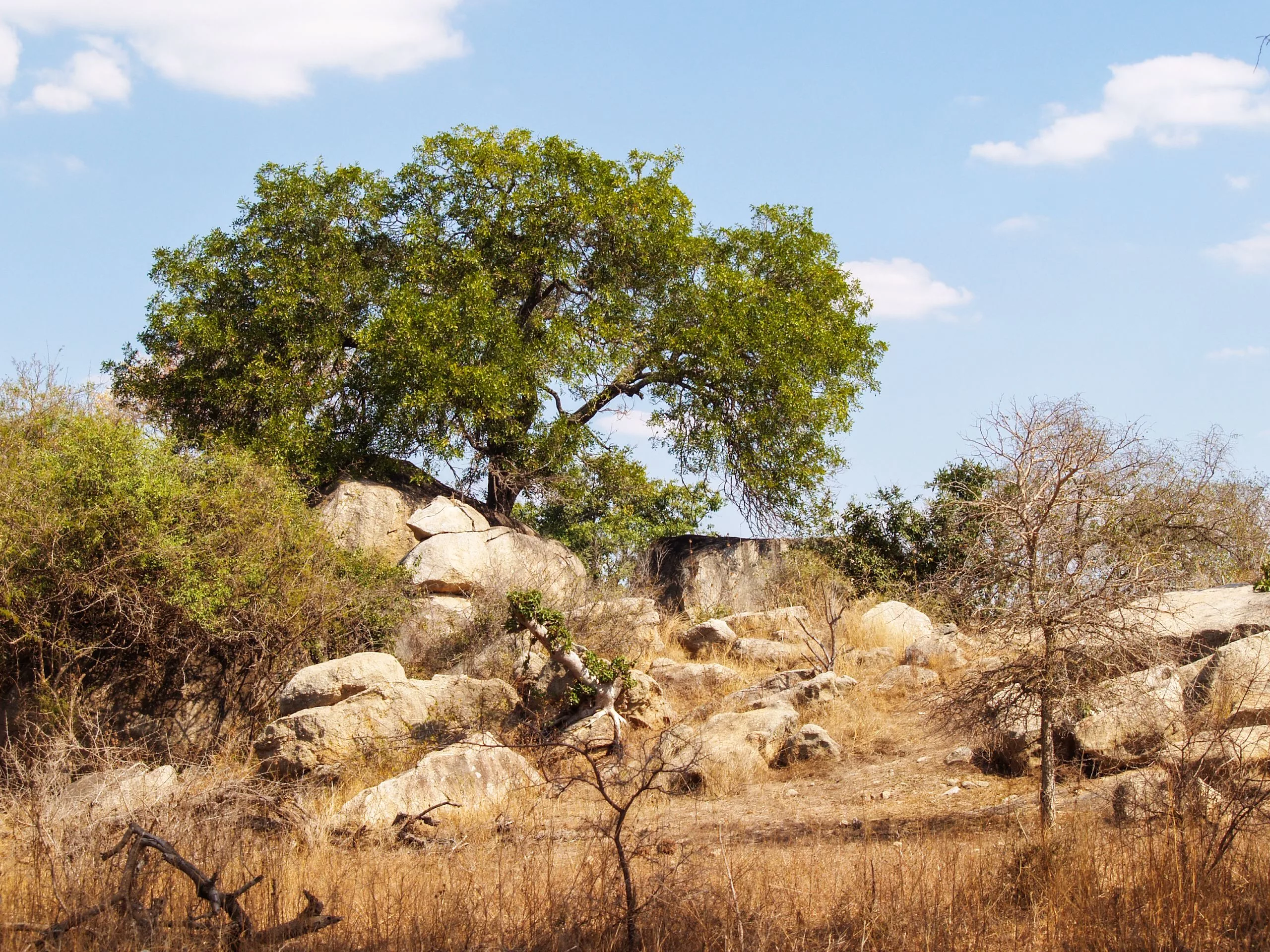
Image used for illustrative purposes/Christopher Amrich/Wikimedia Commons
According to Algoa News, the newly identified dinosaur, Musango matusadonaensis, was unearthed from fossil remains excavated near the shores of Lake Kariba in northern Zimbabwe in 2018. The discovery has now been formally described by an international team of palaeontologists in the Journal of Systematic Palaeontology.
The dinosaur lived during the Late Triassic period, a time when dinosaurs were beginning to spread across the globe but had not yet become Earth’s dominant land animals.
Unlike the enormous long-necked dinosaurs that would evolve millions of years later, Musango matusadonaensis was a much lighter animal. It measured about 4.5 metres in length and weighed an estimated 222 kilograms—roughly the size of a fully grown pig.
Its name comes from the Shona word musango, meaning “living in the bush”, reflecting the environment it once inhabited.
Researchers say the discovery is reshaping their understanding of southern Africa’s prehistoric ecosystems.
ALSO READ:
South African safari lodge named Africa’s best in prestigious global awards
“Until recently, it was assumed that the dinosaurs living across southern Africa were largely the same,” said Paul Barrett, a researcher at the Natural History Museum in London, in a statement accompanying the study.
Instead, the findings suggest that different dinosaur species occupied distinct ecosystems across the region, pointing to a far greater diversity than previously recognised.
“It suggests that what we’ve found so far is only the tip of the iceberg,” Barrett said.
The fossil is one of the most complete dinosaur skeletons of its age ever found in Zimbabwe. Scientists recovered bones from the spine, ribs, arms, legs and feet, allowing them to estimate the dinosaur’s age at around eight years old when it died. The bones also revealed evidence that it had survived a significant injury or infection during its lifetime.
Although its skull has yet to be discovered, researchers believe Musango was likely a herbivore or an omnivore, feeding on vegetation growing along ancient rivers and streams.
The discovery follows another significant palaeontological breakthrough in Zimbabwe. In 2022, scientists announced the discovery of Mbiresaurus raathi, currently regarded as Africa’s oldest known dinosaur. Dating back around 230 million years, the small dinosaur stood about one metre tall, had a long tail and weighed up to 30 kilograms.
Together, the discoveries are helping scientists piece together the early evolution of dinosaurs on the African continent, suggesting there is still much to uncover beneath southern Africa’s ancient landscapes.
Follow us on social media for more travel news, inspiration, and guides. You can also tag us to be featured.
Instagram | Facebook | Twitter | Spotify
ALSO READ:
7 places where children can learn about dinosaurs in South Africa