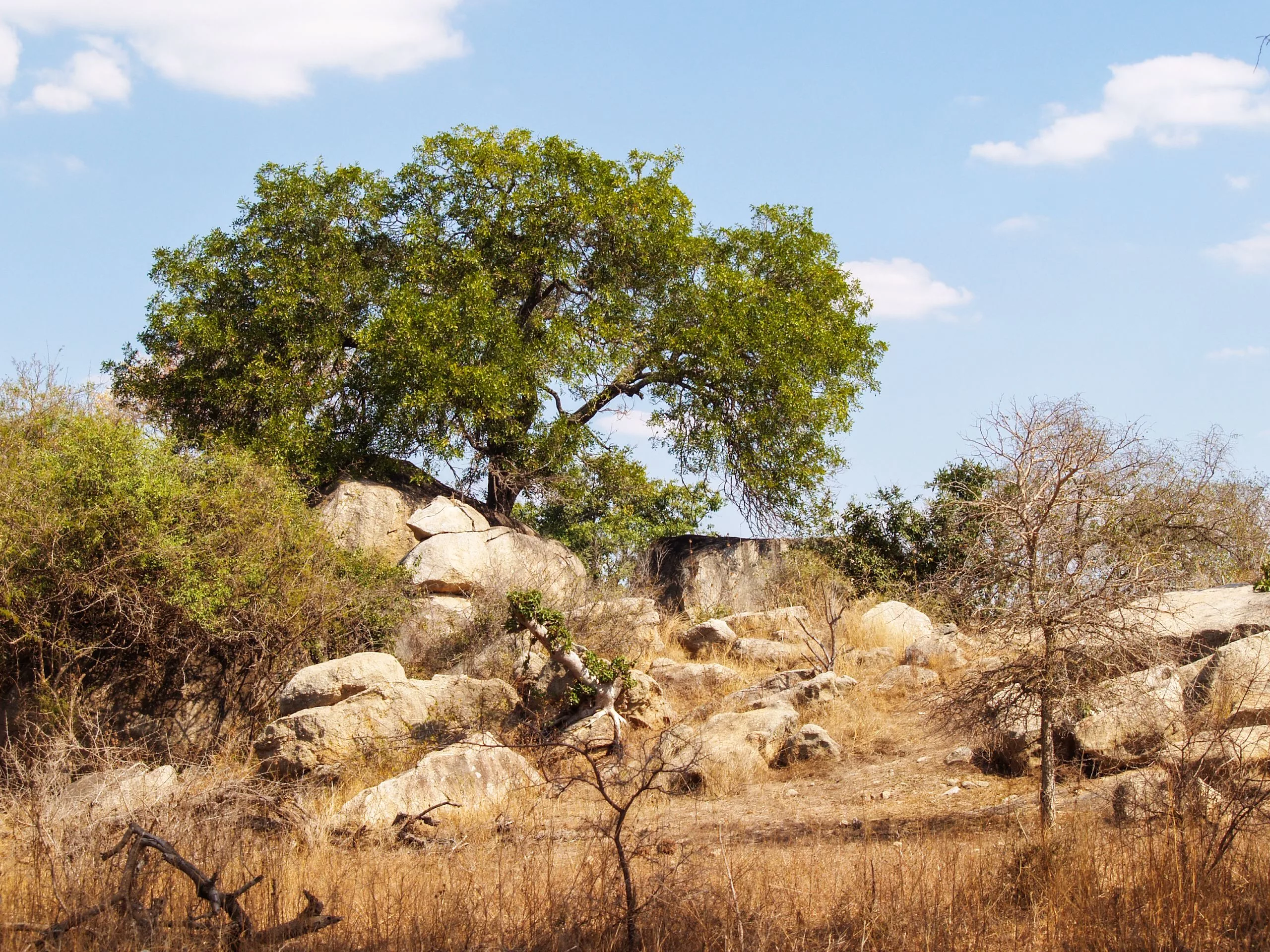



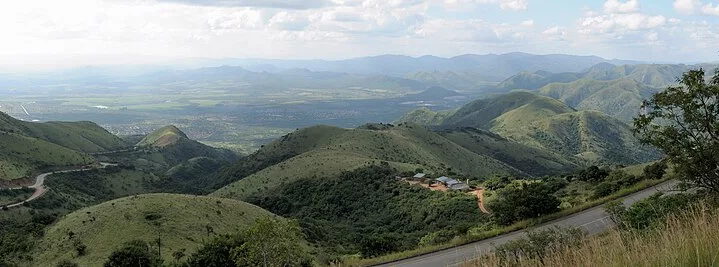
Ghost towns have a way of stopping you in your tracks. Long after the people have gone, the buildings remain, weathered by decades of wind, rain and relentless African sun. Old hotels stand empty, mine shafts disappear beneath scrub, and abandoned schools, churches and homes hint at lives that once revolved around industries that have long since disappeared.
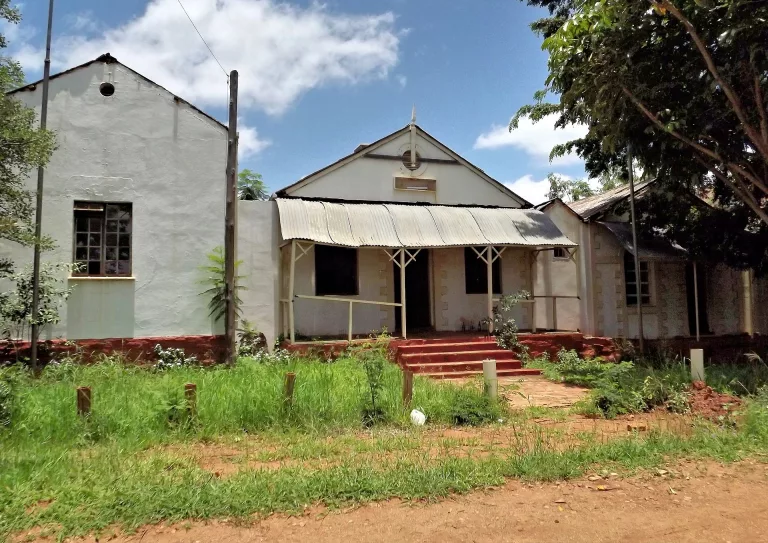
Photo by Ossewa / Wikimedia Commons
While countries like the United States and Australia are famous for their ghost towns, South Africa has its own collection of forgotten settlements. Most were born from mining booms that promised unimaginable wealth before collapsing almost as quickly as they appeared.
For travellers who enjoy uncovering lesser-known history, these abandoned places offer something different: the chance to walk through stories that have been left almost exactly where history abandoned them.
1. Leydsdorp, Limpopo
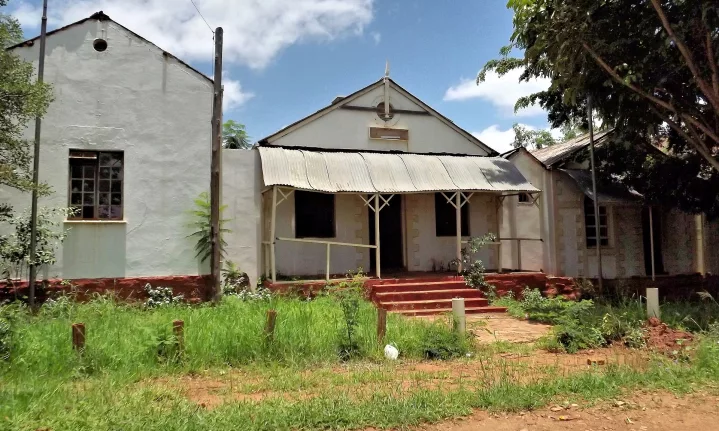
Few places capture the spirit of a true ghost town quite like Leydsdorp. Gold was discovered in the nearby Murchison Range in the late 1880s, triggering South Africa’s second major gold rush. Within a few years, thousands of prospectors poured into the tiny settlement, transforming it into a bustling frontier town complete with hotels, bars, shops and businesses. At its peak, around 3,000 people called Leydsdorp home.
The boom was short-lived. Richer discoveries on the Witwatersrand lured miners to Johannesburg, while malaria, then known as blackwater fever, devastated the population. Before long, Leydsdorp was abandoned, leaving behind crumbling buildings, an old cemetery and one of South Africa’s most authentic ghost towns.
Best time to visit: April to September.
Tip: Explore on foot and visit the old cemetery and former hotel. Pair your trip with the nearby Kruger National Park or the Panorama Route.
2. Eureka City, Mpumalanga
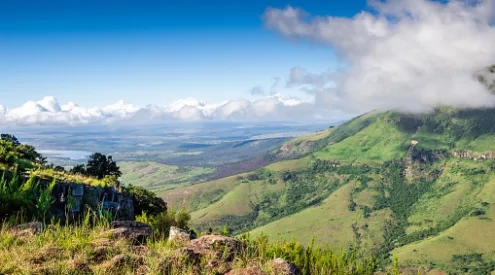
Hidden in the Barberton Makhonjwa Mountains, Eureka City is easy to miss unless you know exactly where to look. Established in 1885 after gold was discovered on the Sheba Reef, the settlement quickly grew into a thriving mining community with hotels, shops, a bakery and even a music hall.
Less than a decade later, declining mining returns emptied the town. Today, only stone foundations, the ruins of the Victoria Hotel and the former school remain, surrounded by indigenous vegetation that has slowly reclaimed the landscape.
Best time to visit: March to October.
Tip: Access is controlled within Mountainlands Nature Reserve, so arrange permits in advance or visit with an authorised guide. The Barberton Makhonjwa World Heritage landscape makes the journey worthwhile.
3. Pomfret, North West
Pomfret’s story is more recent than many South African ghost towns. Built around one of the country’s largest asbestos mines during the 1960s, the town later became home to former members of the 32 Battalion after the Angolan Border War. When asbestos mining ended because of the serious health risks associated with the mineral, employment disappeared and residents gradually moved away.
Today, rows of abandoned houses, empty streets and deteriorating public buildings create an atmosphere unlike anywhere else in South Africa.
Best time to visit: May to August.
Tip: Many buildings are structurally unsafe. Explore respectfully from public roads and avoid entering abandoned structures.
4. Bergsig, Northern Cape
Deep in the Northern Cape lies Bergsig, a little-known settlement that faded alongside the mining industry that created it.
As operations declined, workers left and the settlement slowly emptied. Today, abandoned buildings scattered across the arid landscape offer a striking reminder of the region’s mining heritage.
Unlike some better-known destinations, Bergsig remains largely off the tourist trail, making it appealing for travellers seeking something genuinely remote.
Best time to visit: May to September.
Tip: Carry plenty of water and fuel. Facilities are extremely limited, and road conditions can change after rain.
5. The old mining settlement at Okiep, Northern Cape
Although modern Okiep is still inhabited, sections of its original nineteenth-century mining settlement feel frozen in time.
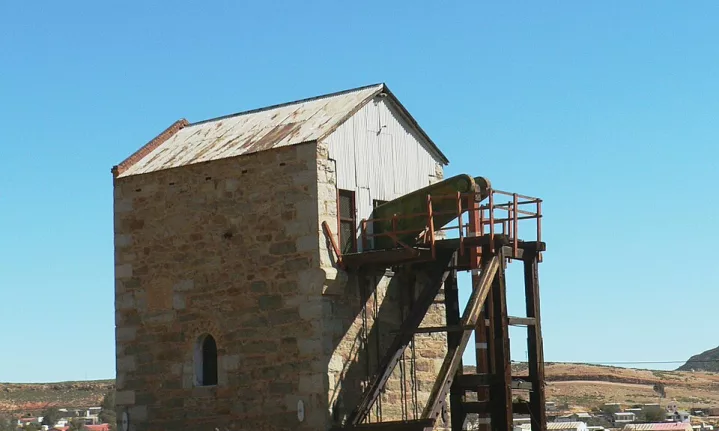
Copper discoveries transformed the area into one of the world’s richest copper-producing regions during the mid-1800s. As mining activity declined, much of the historic infrastructure was abandoned, leaving behind old mine houses, ore bins, smelters and the famous Cornish Beam Engine, one of the last surviving examples of its kind in the Southern Hemisphere.
Best time to visit: August and September, when Namaqualand bursts into bloom.
Tip: Combine your visit with the Namaqualand flower season for one of South Africa’s most memorable road trips.
Why ghost towns continue to fascinate us
There is something deeply humbling about walking through a place where life simply stopped. South Africa’s ghost towns are reminders that prosperity can be fleeting. Gold runs out. Mines close. Industries shift. Communities move on. What remains are quiet streets and weathered buildings that continue telling stories long after their last residents have left.
For travellers willing to venture beyond the country’s better-known attractions, these forgotten settlements offer far more than unusual photographs. They preserve moments in South Africa’s history that would otherwise disappear completely, making them some of the country’s most intriguing places to explore.
Follow us on social media for more travel news, inspiration, and guides. You can also tag us to be featured.
Instagram | Facebook | Twitter | Spotify
ALSO READ: