

Africa’s landscapes are often defined by savannahs, mountains, islands and long stretches of coastline, but its peninsulas offer a different kind of adventure.
From freshwater shores and coral reefs to rugged cliffs, ancient ruins and Mediterranean beaches, these places bring together some of the continent’s most varied scenery and experiences.
Some are well known but rarely explored beyond their headline attraction, while others remain under the radar. Here are four African peninsulas worth looking at a little more closely.
Cape Peninsula, South Africa
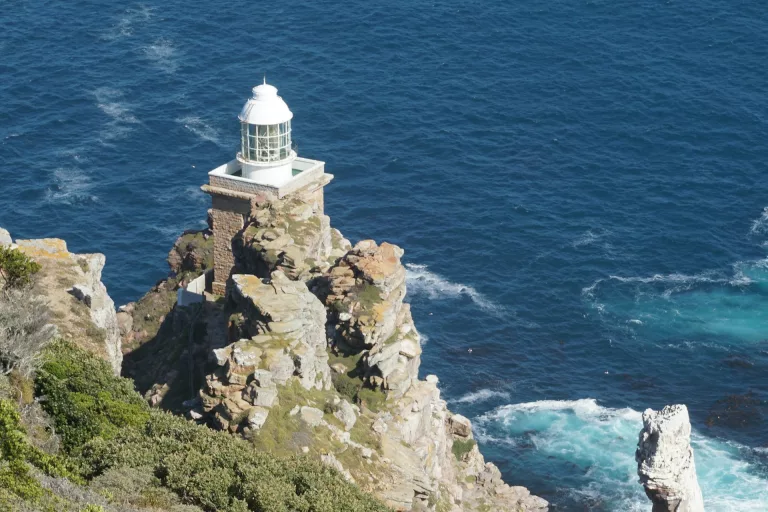
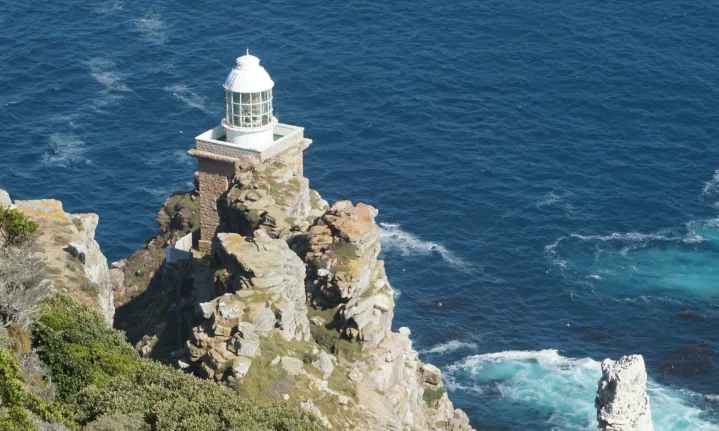
Cape point new light house/ludovico di giorgi/Unsplash
Cape Peninsula may be one of the most visited places on this list, but its sheer variety makes it impossible to leave out.
Stretching south from Cape Town towards Cape Point, the peninsula brings together dramatic mountain scenery, two coastlines, beaches, fynbos, wildlife and historic seaside communities. Cape Point Nature Reserve alone has hiking trails, beaches, viewpoints and a lighthouse dating back to 1857.
The trick is to look beyond the classic Cape Point photograph and treat the entire peninsula as a destination.
Drive the scenic coastal roads
One of the best ways to experience the peninsula is by road. The route through Hout Bay and along Chapman’s Peak offers dramatic Atlantic views before continuing towards Noordhoek and the southern peninsula.
On the False Bay side, stop in Kalk Bay and Simon’s Town for a slower seaside experience. The villages and coastal suburbs offer cafés, restaurants, galleries and historic buildings alongside the ocean.
See the African penguins
At Boulders Beach near Simon’s Town, boardwalks lead through the protected habitat of the African penguin colony.
It is one of the peninsula’s best-known attractions, but it is worth taking time to explore the surrounding area rather than simply making a quick photo stop.
Explore Cape Point
At the southern end of the peninsula, Cape Point is all cliffs, fynbos, ocean and wide-open views. The reserve is home to species including Cape mountain zebra and bontebok, while its trails offer opportunities to experience the landscape away from the busiest viewpoints.
Walk to the old lighthouse or take the Flying Dutchman funicular for an easier ascent. There are also beaches and longer hiking routes for travellers who want to spend more time outdoors.
Make time for the smaller stops
The peninsula rewards travellers who slow down. Stop for fish and chips in Kalk Bay, explore the harbour at Hout Bay, walk on Noordhoek Beach or look for marine life along the coast.
You could easily spend several days exploring the peninsula rather than squeezing Cape Point, Boulders and everything in between into one rushed outing.
ALSO READ:
Small museums, big stories: South Africa’s most unexpected collections
Cape Maclear, Malawi
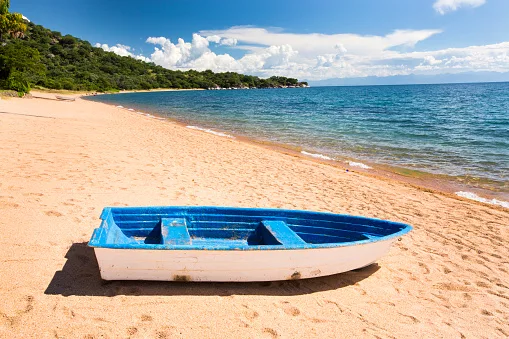
A boat on a beach at Cape Maclear on the shores of Lake Malawi/By: Ashley Cooper/Getty Images
Cape Maclear offers a very different interpretation of a peninsula.
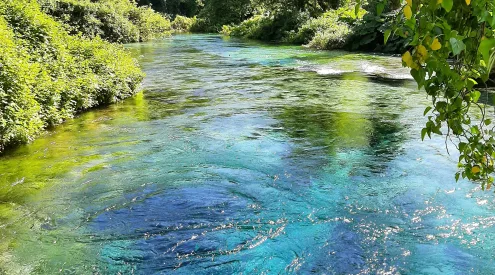
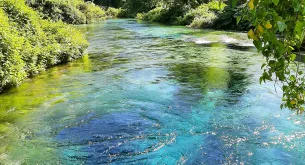
Here, the waters surrounding the land are not the ocean but Lake Malawi. The area forms part of Lake Malawi National Park, recognised as a UNESCO World Heritage Site and described by Malawi Tourism as the world’s first freshwater national park.
The result is a tropical-looking lakeside destination where sandy beaches, rocky outcrops and clear freshwater create the impression of an island escape without the need to cross an ocean.
Go underwater
The lake is the star attraction.
Cape Maclear’s clear waters support an extraordinary diversity of freshwater fish, particularly colourful cichlids. Snorkelling is one of the easiest ways to experience the underwater environment, while scuba diving offers a closer look.
Boat trips can also take visitors to quieter stretches of the lake and around the islands and rocky areas of the national park.
Get out on the lake
You do not have to stay on the beach.
Kayaking, sailing, paddleboarding and boat trips provide different ways to explore the lake. The surrounding area is also suitable for birdwatching, with species including fish eagles, cormorants and hamerkop recorded in the park.
Explore beyond the water
Cape Maclear is not only about swimming and snorkelling. The national park also protects terrestrial habitats where visitors can encounter animals including baboons, antelope and hyrax.
The area also has a fascinating missionary history, with the remains and graves associated with an early Livingstonia Mission site adding another layer to the destination.
For travellers wanting a slower African escape, Cape Maclear combines outdoor adventure with the relaxed atmosphere of a lakeside village.
Ras Mohammed, Egypt
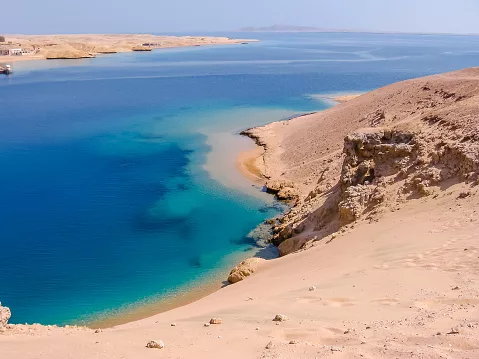
Aerial view of Ras Mohammed National Park with its clear and transparent waters and its famous reef, Sharm el Sheik, Sinai Peninsula, Egypt/By: bennymarty/Getty Images
Ras Mohammed National Park is where the landscape changes dramatically again.
At the southern tip of the Sinai Peninsula, the protected area sits where the Gulf of Suez and Gulf of Aqaba meet the Red Sea. Its landscape combines rocky desert, dramatic coastline, mangroves and some of the region’s richest marine habitats.
It is particularly famous among divers, but you do not need to be an experienced diver to appreciate the peninsula.
Snorkel or dive the Red Sea
The underwater world is the main attraction.
Ras Mohammed is known for its coral reefs, colourful fish, sea turtles and other marine life, with both hard and soft corals found in its waters. The Egyptian government describes it as one of the world’s notable diving locations.
Snorkelling provides an accessible introduction, while diving allows experienced visitors to explore deeper reef environments.
Look for the mangroves
One of the peninsula’s unexpected features is its mangrove channel.
The mangroves create a striking contrast against the surrounding arid landscape and demonstrate just how varied the protected area’s ecosystems are.
Explore the desert side
Ras Mohammed is not simply an underwater destination.
Spend time exploring the land-based viewpoints and rugged coastline, where the stark desert scenery provides a dramatic counterpoint to the turquoise Red Sea.
Birdwatchers can also look out for a variety of birds, while the protected area supports numerous terrestrial species as well as its marine wildlife.
Make it more than a diving excursion
The easiest way to experience Ras Mohammed is from nearby Sharm El Sheikh, making it a straightforward addition to a Red Sea holiday.
Instead of treating it as only a diving trip, combine time in the water with the peninsula’s beaches, mangroves, desert scenery and wildlife.
Cap Bon, Tunisia
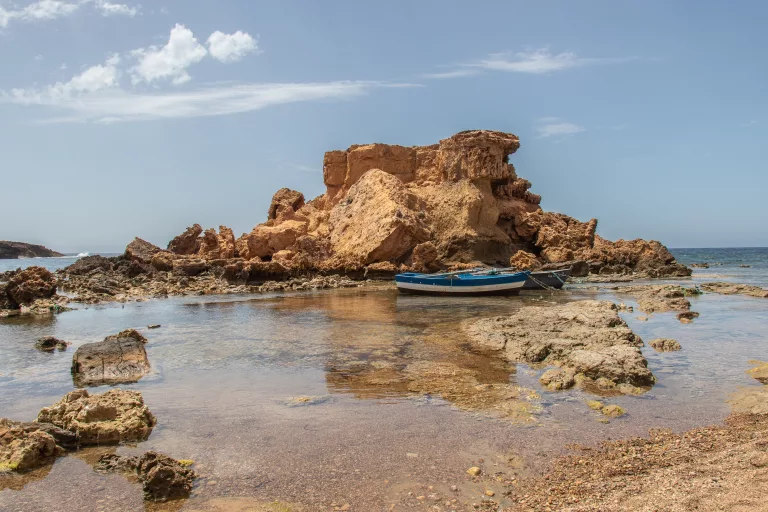
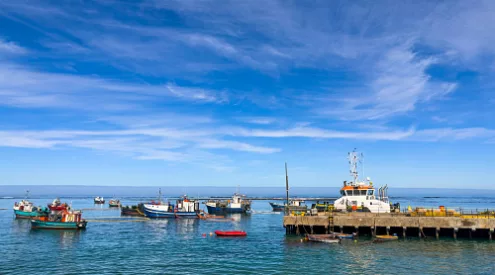
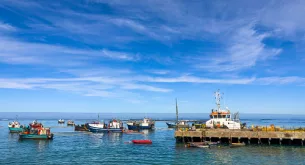
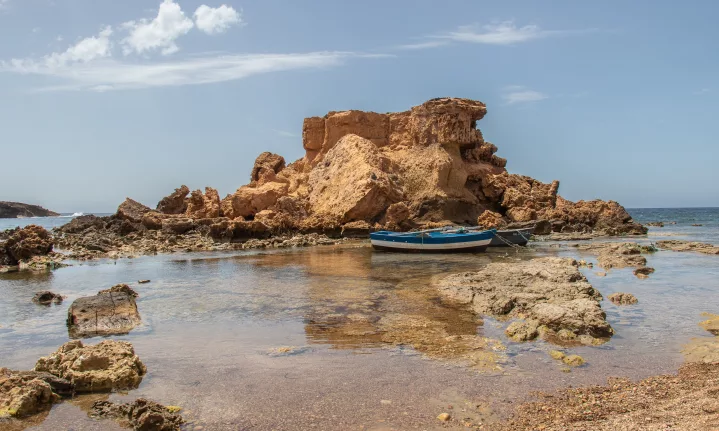
Small fishing port, Cap Bon, Tunisia/Smailtn, CC0, via Wikimedia Commons
Cap Bon may be the least obvious choice on this list, which is precisely why it belongs here.
Projecting towards Sicily, the Cap Bon Peninsula combines Mediterranean beaches with citrus orchards, agricultural landscapes, fishing ports, archaeological sites and small towns. Tunisia’s tourism authority describes it as a fertile region known for its beaches, gardens, crafts and coastal communities.
This is the peninsula for travellers who want their coastal holiday to come with a generous dose of culture.
Explore Nabeul
Start in Nabeul, the main town of Cap Bon.
Its souks and markets are known for pottery, crafts, spices, produce and fish. The town is particularly associated with colourful ceramics and traditional handicrafts, making it a good place to pick up something more distinctive than a typical resort souvenir.
Food is another reason to linger. Cap Bon’s agricultural identity shows up in its produce, while harissa, grilled seafood and Tunisian salads are among the flavours to look for.
Visit Kelibia
Further along the coast, Kelibia combines a fishing harbour with one of Tunisia’s most striking coastal fortresses.
The medieval Fort of Kelibia overlooks the Mediterranean and provides sweeping views across the coastline. The harbour and surrounding beaches make the town worth exploring beyond the fortress itself.
The area is also a popular base for diving and other water-based activities.
Step back into Punic history
One of Cap Bon’s biggest surprises is Kerkouane.
The ancient Punic settlement sits on a cliff overlooking the sea and is a UNESCO World Heritage Site. Unlike many ancient Mediterranean cities, Kerkouane was not rebuilt as a Roman city, leaving an unusually valuable picture of Punic urban planning. Its remains include streets, houses, workshops, temples and a necropolis.
For history lovers, this is one of the peninsula’s essential stops.
Discover El Haouaria and Korbous
At the northern tip of the peninsula, El Haouaria offers a wilder side of Cap Bon, including coastal scenery and caves excavated by the Romans.
Korbous, meanwhile, is known for its thermal springs, rocky coves and seaside setting. Across the peninsula, there are opportunities for hiking, birdwatching, diving and sailing, so the region works just as well for active travellers as it does for beach seekers.
Why these peninsulas are worth seeking out
The appeal of these destinations lies in their variety.
The Cape Peninsula combines mountains, oceans and wildlife within a relatively compact area. Cape Maclear turns a freshwater lake into a beach and diving destination. Ras Mohammed places coral reefs and mangroves alongside an arid desert landscape. Cap Bon brings together Mediterranean beaches, ancient history, food and rural landscapes.
They also offer an alternative way to think about African travel.
Follow us on social media for more travel news, inspiration, and guides. You can also tag us to be featured.
Instagram | Facebook | Twitter | Spotify
ALSO READ: