


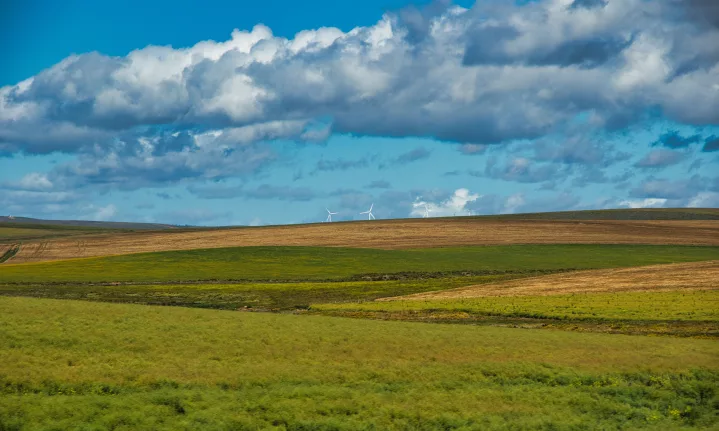
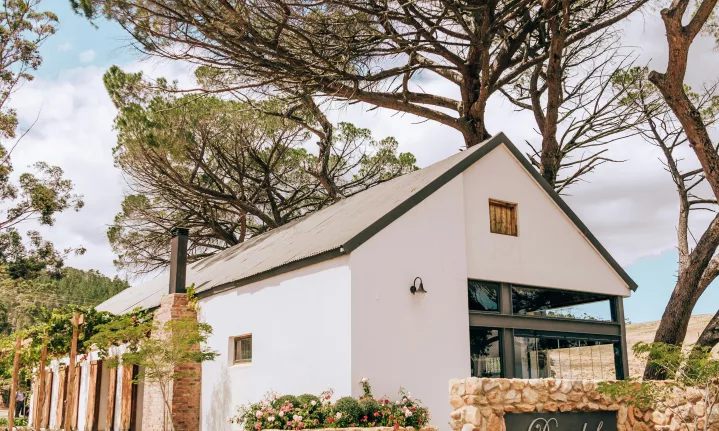
If you have 48 hours in Caledon, you have enough time to slow down properly. This Overberg town, roughly 100km from Cape Town, is known for its mineral springs, fynbos, heritage and wide-open countryside. It is not a destination you need to rush through. Instead, spend a weekend soaking in warm waters, exploring the old town and taking the scenic route through the surrounding landscape.
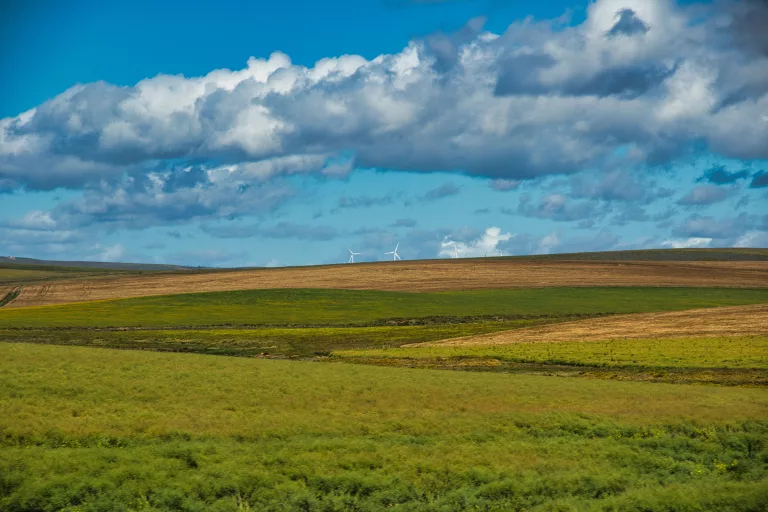
Photo by Axel Bührmann / Pexels
The town’s story is tied closely to its mineral springs, which have drawn visitors for centuries. Add a pocket of indigenous fynbos, a Victorian-era museum, scenic mountain roads and a handful of places worth stopping for a meal, and Caledon makes an easy two-day escape when you want something quieter than the better-known Overberg towns.
Here’s how to spend 48 hours getting to know it.
Day 1: Arrive, soak and slow down
Check in and take the waters
Make the mineral springs your first stop.
Caledon’s hot springs are the reason the town became a spa destination in the first place. The springs were known long before the town was formally established, and by the late 19th century Caledon had developed into a fashionable spa resort. Its heyday came in the early 20th century, when visitors travelled to the town to “take the waters” as part of prescribed hydrotherapy treatments.
The original Victorian Baths date back to 1902 and remain part of the modern spa complex. The grand sanatorium that once made Caledon a major social destination was destroyed by fire in 1946, bringing an abrupt end to the town’s golden age as a spa resort. Decades later, the springs were incorporated into the modern The Caledon Hotel and Spa.
Today, the appeal is much simpler. Spend a few hours in the warm mineral pools, book a treatment if that’s your idea of a weekend well spent, and resist the urge to rush off afterwards.
Caledon is at its best when you give it time.
Wander through the old town
Once you’ve dried off, take a walk through central Caledon.
The town’s history is surprisingly layered for a place that can initially feel like a quiet stop along the N2. The settlement was formally established in the early 19th century and named after the Earl of Caledon, who was governor of the Cape from 1807 to 1811. Its growth was closely linked to the springs, agriculture and its position along the route between Cape Town and the eastern Overberg.
For a closer look at that history, visit the Caledon Museum.
The museum’s collection focuses on the social history of Caledon and the Victorian period. Its historic buildings, old photographs, furniture and domestic objects offer a more intimate picture of the people who lived here rather than simply presenting a timeline of dates and famous names. The museum also developed a genealogy project documenting local families and the changing community.
It’s the sort of small-town museum that rewards a curious visitor. Give yourself time to look beyond the obvious displays. The museum is currently listed by the municipality at 6 Plein Street, with weekday opening hours. Check ahead before visiting, particularly if your 48 hours include a weekend.
Dinner in town
For dinner, keep things local rather than driving back towards Cape Town. The Barn Restaurant Caledon is a good option for a sit-down evening meal, while Fat Henrys offers a more casual option if pizza and a relaxed atmosphere sound better after a day on the road.
If you’re staying at the hotel and would rather not get back into the car, there are also restaurants within the spa and casino complex. Then call it an early night. Tomorrow is for the outdoors.
Day 2: Fynbos, flowers and the road less travelled
Start among the wildflowers
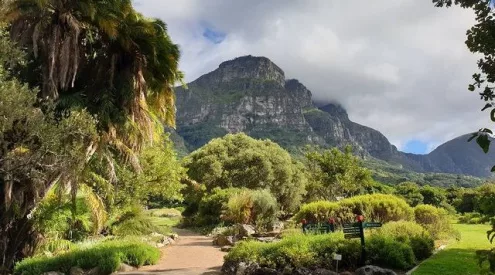
Begin your second morning at the Caledon Wildflower Garden and Nature Reserve.
This is one of the town’s most distinctive attractions, particularly in spring when the Overberg’s fynbos puts on its annual display. The reserve was proclaimed a nature reserve in 1964, while Caledon’s association with wildflower shows goes back much further. The first Caledon Wild Flower Show was held in 1892, making the tradition more than a century old.
The garden provides walking paths through indigenous vegetation, with lawns, water features and picnic areas. The municipality also identifies it as an important biodiversity and hiking area.
Don’t expect a manicured botanical garden where every plant comes with a label. The pleasure here is in the landscape itself: open space, fynbos and the feeling that you’re already well beyond the city.
If you’re visiting during the spring flowering season, allow extra time. This is one of those places where stopping every few minutes to look at another flower is entirely justified.
Take the scenic way to lunch
From Caledon, point the car towards the R320 and Shaw’s Mountain Pass.
The road links Caledon with Hermanus through the Overberg countryside, and Shaw’s Mountain Pass provides sweeping views across the farming valleys. The pass is around 6km long, with 15 bends and curves, and reaches an elevation of about 282m. The road was realigned and rebuilt in 2017.
This is not a route to race through. Pull over where it is safe, take in the view and watch the landscape change from open agricultural land to fynbos-covered slopes. Further south, the road continues towards the Hemel-en-Aarde Valley, making this a particularly worthwhile drive if you have more than the strict 48 hours.
You don’t need a 4×4 or an adventurous spirit. You just need a full tank, a little patience and a willingness to take the scenic route.
Stop at Dassiesfontein
If you’re heading back towards Cape Town via the N2, make time for a stop at Dassiesfontein.
The roadside farm stall and restaurant between Bot River and Caledon has become something of an Overberg institution. It is an easy place to break the journey, browse, eat and stretch your legs before getting back on the N2.
It also makes sense as a final stop because Caledon’s identity is inseparable from the agricultural landscape around it. This is not a destination built around one dramatic natural attraction. It is a farming town whose history, food and scenery are all tied to the wider Overberg.
If you have a little extra time
Caledon works particularly well as a base for exploring the surrounding countryside.
The R320 towards Hermanus is one of the obvious extensions, with Shaw’s Mountain Pass and the Hemel-en-Aarde Valley along the way. The municipal tourism strategy identifies the Shaw’s Pass/Hemel-en-Aarde road as one of the area’s scenic routes.
You could also make a detour towards Tesselaarsdal, the small rural settlement associated with South African artist Peter Clarke. Clarke spent extended periods there during the 1950s, using the quiet of the village as a place to paint. The Caledon Museum holds a collection of his work from this period.
And if you’re travelling in spring, build your plans around the flowers rather than trying to squeeze them in at the end. The Overberg changes dramatically during flowering season, and Caledon’s long association with wildflowers is one of the reasons to visit at this time of year.
The final word
Caledon is easy to overlook.
It doesn’t have the obvious coastal drama of Hermanus, the wine-country polish of Stellenbosch or the postcard appeal of some of the Overberg’s smaller villages. But that is also what makes it interesting. Its story is quieter, rooted in the springs, the farming landscape, its people and a long history that is still visible in the town today.
Give it 48 hours and you’ll have time to soak in the mineral waters, wander through its history, walk among fynbos and take the long way home through the mountains.
And perhaps that’s the point of Caledon. You don’t come here to do everything. You come here to slow down.
Follow us on social media for more travel news, inspiration, and guides. You can also tag us to be featured.
Instagram | Facebook | Twitter | Spotify
ALSO READ:
48 hours in Stellenbosch: A weekend of wine, heritage and mountain views