








Women from designated groups now hold 47.3% of senior management positions in South Africa’s accommodation and food services sector, putting hospitality ahead of its 2030 employment equity target of 46.1%.
The figure places hospitality among only a handful of sectors already above their 2030 target at senior management level, alongside human health, education and real estate.
At top management level, however, there is still ground to cover. Women from designated groups currently account for 36.2% of top management positions, compared with the sector’s 2030 target of 38.1%.
Hospitality sector faces a new employment equity test
From 1 September, more than 800 employers in South Africa’s accommodation and food services sector, representing almost 200 000 employees, will have their progress against employment equity targets assessed for the first time.
Last year’s submissions focused on workforce numbers, as employers had only recently started working towards their five-year employment equity plans. This year, employers will be assessed against the annual targets set out in their individual plans, which must ultimately align with the sector targets for 2030.
For the hospitality industry, the figures point to meaningful progress in getting women into senior leadership. But reaching the next level will require continued investment in training, mentorship and career development.
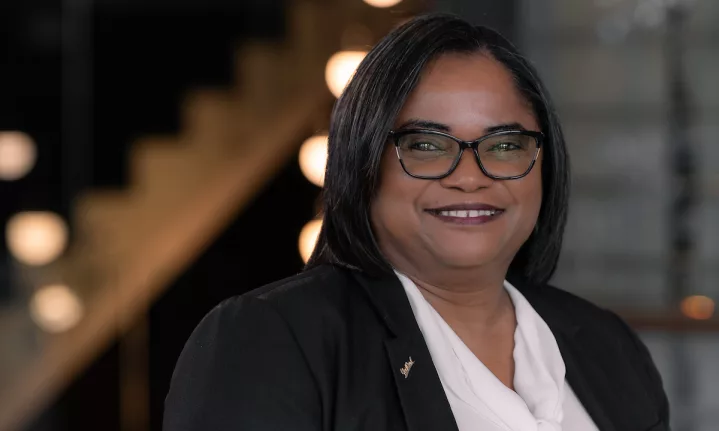
“Hotel groups here have harnessed the potential and power for female leadership admirably. In South Africa we are close to an even split of women to men at general manager level, and head of department roles are shared evenly between women and men,” says Sandra Kneubuhler, Managing Director for Sub-Saharan Africa at Radisson Hotel Group.
She credits flexible working arrangements for mothers, development programmes and workplace environments where women’s voices are heard as some of the factors helping to drive this progress.
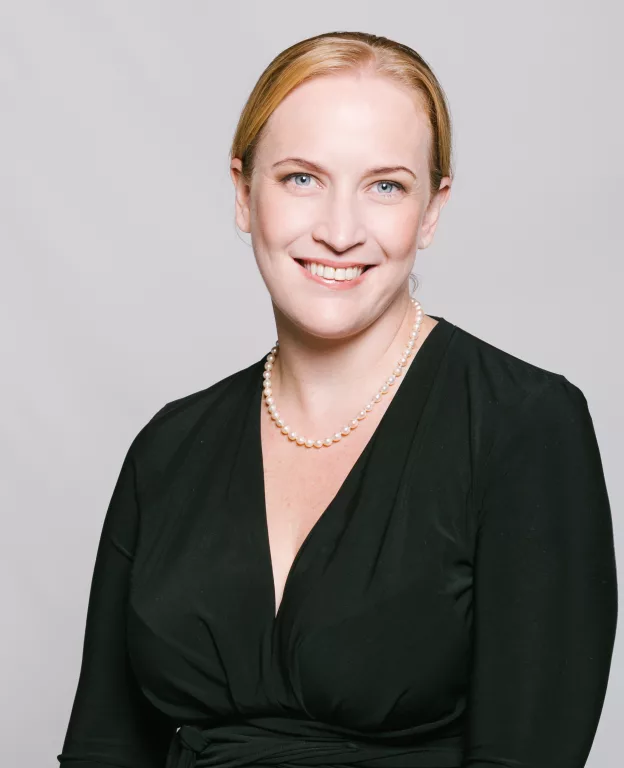
Sandra Kneubuhler
Development is key to closing the leadership gap
Radisson Hotel Group filled 40% of its vacancies internally last year and currently has 31% women in leadership positions, with a target of reaching 50% by 2030.
For Kneubuhler, reaching that goal starts well before someone steps into a senior leadership role.
“Development is essential for this sector, as we take in many grassroots team members and train them from scratch. If we stop doing that, we will be faced with an enormous skills gap that will reflect in our guest experiences and ultimately commercial outcomes. We need to see development as an investment, not a cost,” she says.
That investment also means looking beyond the obvious candidates when identifying future leaders.
Alison McKie, General Manager of Radisson Collection Hotel, Waterfront Cape Town, entered hotel management from a strategy background rather than following the traditional operational route. Her own career path has influenced the way she approaches talent development.
“Because my own path was unconventional, I am careful not to confuse experience with potential. Some of the most capable people do not always raise their hands first, nor do they necessarily fit our preconceived picture of what a future leader should look like,” she says.
Making space for women to grow in hospitality
Elmarie Fritz, General Manager of Radisson Blu Hotel, Port Elizabeth, worked her way through a range of operational roles across different properties, including Revenue Management, before moving into general management.
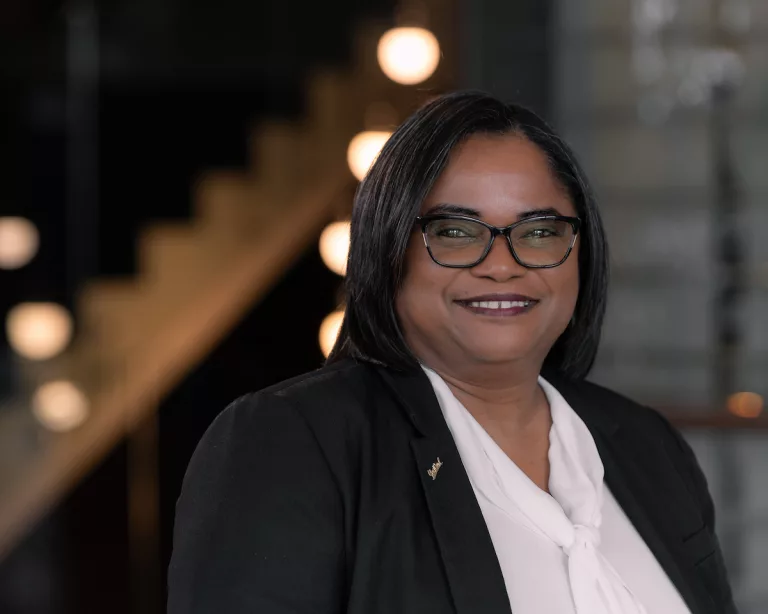
Elmarie-Fritz
Her experience has shaped her approach to identifying and developing talent.
“Career growth should not be reserved only for those who naturally put themselves forward. Having benefited from leaders who recognised and invested in potential throughout my own career, I am passionate about identifying emerging talent early,” says Fritz.
For women balancing hospitality careers with family responsibilities, however, professional development is only one piece of the puzzle.
Duduzile Nxumalo, General Manager of Park Inn by Radisson Polokwane, moved from reception into her first management position in about five years. She says the unpredictable nature of hospitality can make traditional ideas about work-life balance particularly difficult.
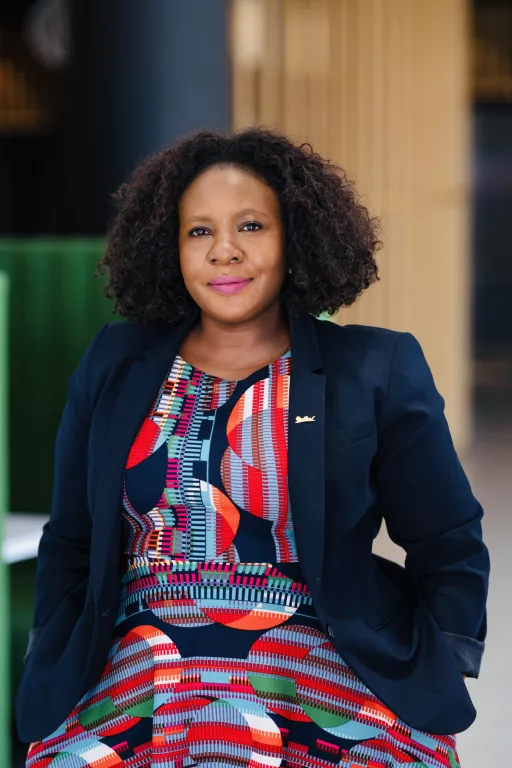
Duduzile Nxumalo
“Hospitality is not an eight-to-five job. You could be sitting there at six o’clock, and suddenly there’s a big conference to run. If you are also the one expected to be home for the kids, those long unpredictable hours hit differently,” she says.
Rochell Schonken, Country Director of Sales for South Africa, points to flexibility, mentorship and supportive leadership as important factors in keeping women in senior hospitality roles.
“Flexibility, where it is operationally possible, strong mentorship, and leaders who support work-life integration make a significant difference,” she says.
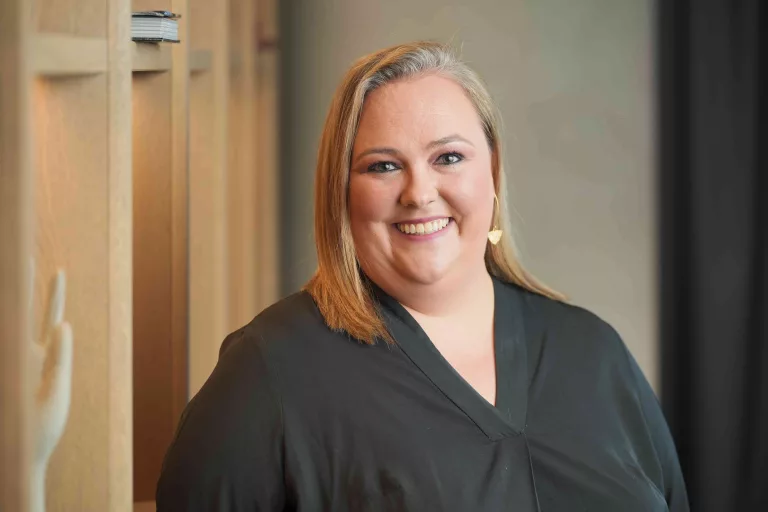
Rochell Schonken,
Closing the gender gap in hospitality leadership
While South Africa’s hospitality sector is already ahead of its 2030 senior management target for women from designated groups, the top management figure shows there is still work to do.
For the industry, the next step is not simply getting more women into hospitality careers, but ensuring they have clear pathways into leadership.
“We need to be intentional about developing and recruiting female talent that wants to lead. We have the right programmes and people in place, so I am confident that we will achieve that,” says Kneubuhler.
With employment equity reporting now moving into a phase where progress will be measured against annual targets, the coming years will show whether the sector can turn its progress at senior management level into greater representation at the very top.
ALSO SEE: UNESCO World Heritage Sites in Botswana