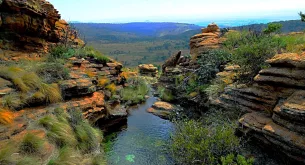
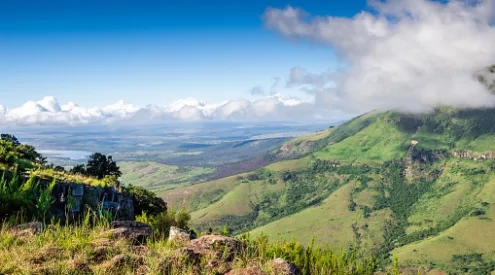
South Africa’s rivers are easy to overlook. The mountains, coastlines, forests and wildlife often take centre stage, but follow the water and a different side of the country emerges. Rivers cut through desert landscapes, sustain wildlife-rich wildernesses, carve enormous gorges and wind through some of the country’s most productive farming regions.
From the Orange River thundering over Augrabies Falls to the Tugela winding beneath the Drakensberg, these are six places where South Africa’s rivers become the main attraction.
1. Orange River, Northern Cape

After its 60-metre drop at the Augrabies Falls, the Oranje River makes its way through the vast plateau of the Northern Cape/By: Eckart Mayer / 500px/Getty Images
See it at Augrabies Falls National Park
Few places demonstrate the power of a river as dramatically as the Orange River at Augrabies Falls National Park.
The park sits on the banks of the Orange River in the Northern Cape, where the water plunges 56m over the Augrabies Falls before continuing through an 18km granite gorge. The Khoi name for the falls, Aukoerebis, means “Place of Great Noise” – an apt description when the river is running strongly.
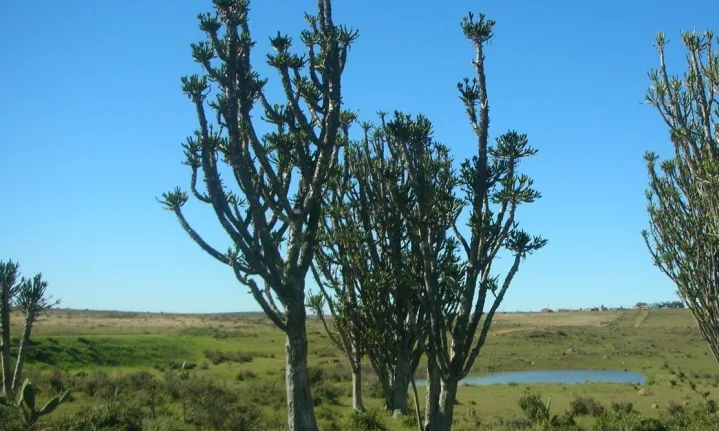
The river is particularly striking because of the landscape around it. Instead of lush riverine vegetation, the Orange cuts through an arid world of granite formations, quiver trees and open skies. Viewpoints around the waterfall and gorge make it possible to appreciate both the scale of the falls and the way the river has shaped the surrounding terrain.
Augrabies is also about more than looking at the water. Hiking trails, game viewing, birding, mountain biking and 4×4 routes offer different ways to explore the park, while rafting and fly-fishing provide opportunities to experience the Orange more directly.
Best for: Dramatic scenery, waterfalls, photography and an unforgettable desert-river landscape.
Don’t miss: The viewpoints around Augrabies Falls and the gorge, particularly when the river is flowing strongly.
2. Sabie River, Mpumalanga
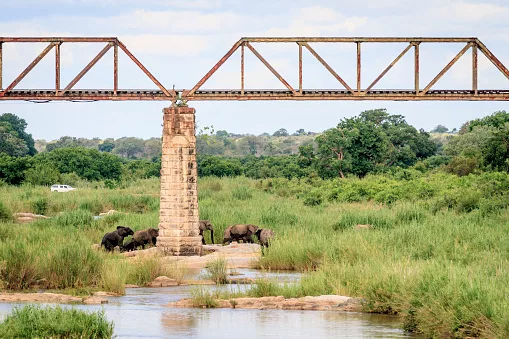
A herd of elephants crosses the Sabie River, passing underneath the old Selati Railway Bridge which is near the Skukuza Rest Camp in Kruger National Park/By: John McKeen/Getty Images
See it in Kruger National Park
In the Kruger National Park, the Sabie River is less about a single spectacular waterfall or gorge and more about what gathers around the water.
The Sabie is one of the park’s few perennial rivers, and Lower Sabie Rest Camp sits directly on its banks, with views towards the river and the Lebombo Mountains beyond.
This makes the river an excellent backdrop for a safari. Hippos and crocodiles can be seen in and around the water, while birds such as giant kingfishers and Goliath herons are among the species associated with the river. The surrounding woodland also supports the wildlife for which this part of Kruger is famous.
One of the easiest ways to slow down and appreciate the Sabie is to stop at Nkuhlu picnic site on the H4-1 between Skukuza and Lower Sabie. It is positioned directly on the river, making it a natural place to pause during a self-drive safari.
The Sabie also demonstrates why rivers matter so much in dry-country ecosystems. Water creates a concentration point for animals, vegetation and birdlife, turning an ordinary stretch of road into a potentially rewarding safari stop.
Best for: Wildlife, birding and combining a river experience with a classic safari.
Don’t miss: The river views from Lower Sabie and the H4-1 between Skukuza and Lower Sabie.
3. Blyde River, Mpumalanga
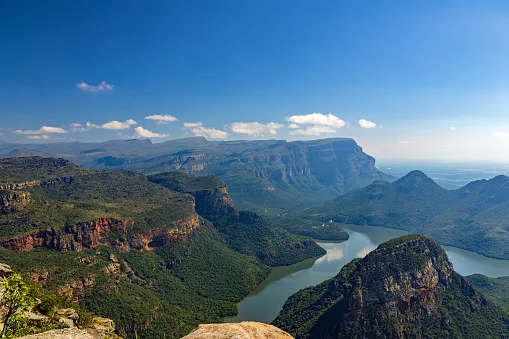
The spectacular Blyde River Canyon in South Africa is considered to be the greenest of the world’s large canyons/By: Elizabeth Beard/Getty Images
See it from the Panorama Route
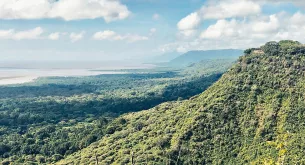
The Blyde River is responsible for one of South Africa’s most spectacular landscapes: the Blyde River Canyon.
Stretching for about 26km, the canyon is characterised by enormous cliffs and lush vegetation, with the Blyde River winding through the valley far below. Mpumalanga Tourism describes it as the world’s third-largest canyon and one of the largest green canyons, with viewpoints overlooking the river and surrounding escarpment.
The best way to appreciate the river here is often from above. The Three Rondavels, God’s Window and other viewpoints along the Panorama Route reveal how water, geology and time have combined to create the landscape.
But the Blyde isn’t only something to photograph from a viewpoint. The reserve offers hiking and water-based activities, allowing visitors to experience parts of the landscape at ground level as well.
For travellers exploring Mpumalanga, the river also makes an excellent counterpoint to the wildlife experiences of nearby Kruger National Park. One day can be spent following elephants and lions; the next can be spent looking down into a vast river-carved canyon.
Best for: Big landscapes, viewpoints, hiking and photography.
Don’t miss: The Three Rondavels and other viewpoints overlooking the Blyde River Canyon.
4. Tugela River, KwaZulu-Natal
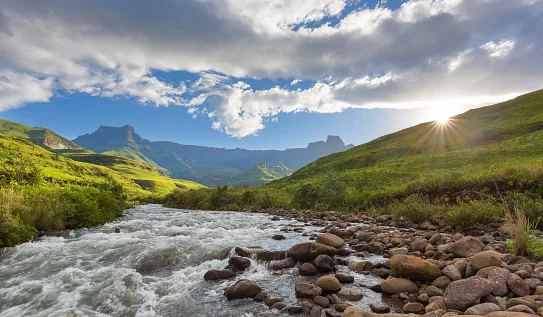
Sunset at the Tugela River/By: HannesThirion/iStock
See it in Royal Natal National Park
The Tugela River belongs to the mountains.
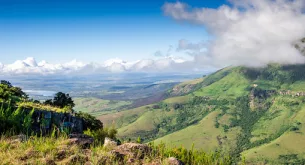
In Royal Natal National Park, the river flows through one of the most dramatic sections of the Drakensberg, beneath the enormous Amphitheatre. The park forms part of the uKhahlamba Drakensberg World Heritage Site and is known for its mountain scenery, hiking trails and access to Tugela Falls.
One of the best ways to experience the river is on the Tugela Gorge trail, which follows the river into the gorge beneath the falls. The route gives hikers a different perspective from the famous chain-ladder route to the top of the Amphitheatre: instead of looking down from the escarpment, you are surrounded by cliffs and mountain scenery.
Tugela Falls itself drops from the Amphitheatre in a series of dramatic cascades. Ezemvelo KZN Wildlife lists the falls at 948m and describes the Tugela Gorge trail as a moderate hike through boulder-strewn terrain.
The river also supports activities beyond hiking. Fly-fishing is available in designated mountain streams, while the surrounding grasslands and cliffs make Royal Natal a rewarding destination for birding and wildlife watching.
Best for: Hiking, mountain scenery and seeing a river in its high-altitude setting.
Don’t miss: The Tugela Gorge trail and the views of the Amphitheatre and falls.
5. Breede River, Western Cape
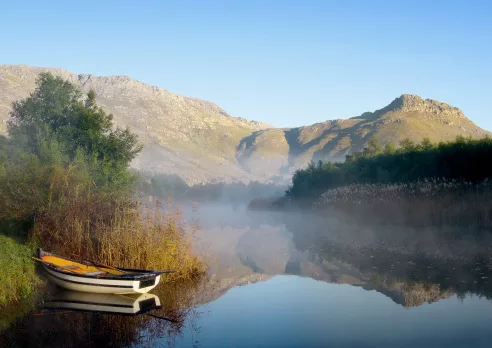
Small boat on the Breede River at sunrise/By: Paul Bruins Photography/Getty Images
See it around Robertson and Bonnievale
The Breede River offers a completely different river experience. Here the water winds through the Western Cape’s farming country, with vineyards, mountains, orchards and small towns forming the backdrop.
Robertson sits beneath the Langeberg mountains, with the Breede River described by local tourism authorities as the valley’s “life blood”. The area combines wine tourism with outdoor activities including river cruises, boat trips and other adventures.
Further along the river, Bonnievale offers an especially relaxed way to experience the landscape. The town lies on the Breede River and is surrounded by vineyards, mountains and fertile farmland. Visitors can combine time beside the river with wine tasting, cycling, fishing and other outdoor activities.
This is a river best experienced slowly. Instead of arriving at one dramatic viewpoint, build a day around the valley: stop at a wine farm, take a river cruise, explore the surrounding countryside and watch the river change character as the light moves across the mountains.
Best for: Scenic drives, food and wine, river cruises and relaxed weekends.
Don’t miss: Bonnievale and the river landscapes around the Robertson Valley.
6. Great Fish River, Eastern Cape
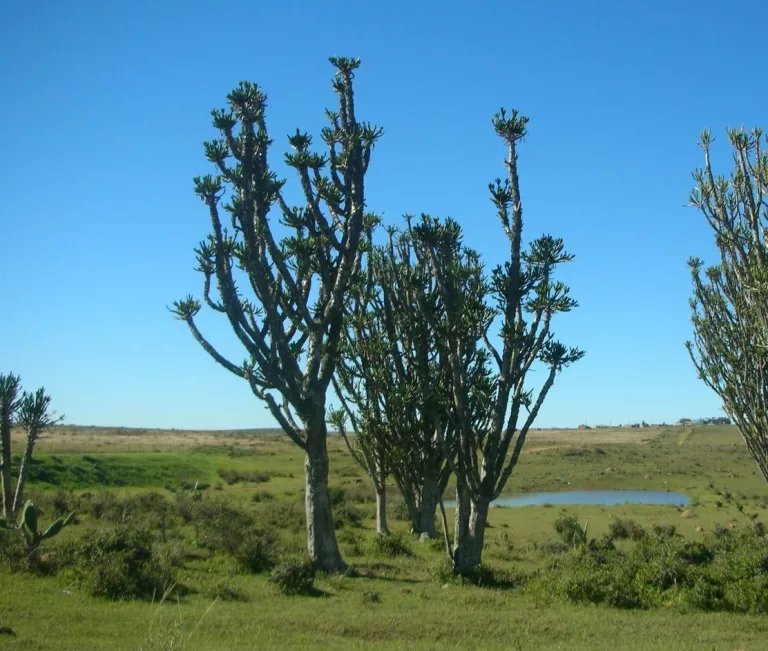
Landscape near the middle course of the Great Fish River/Xufanc/Wikimedia Commons
See it in Great Fish River Nature Reserve
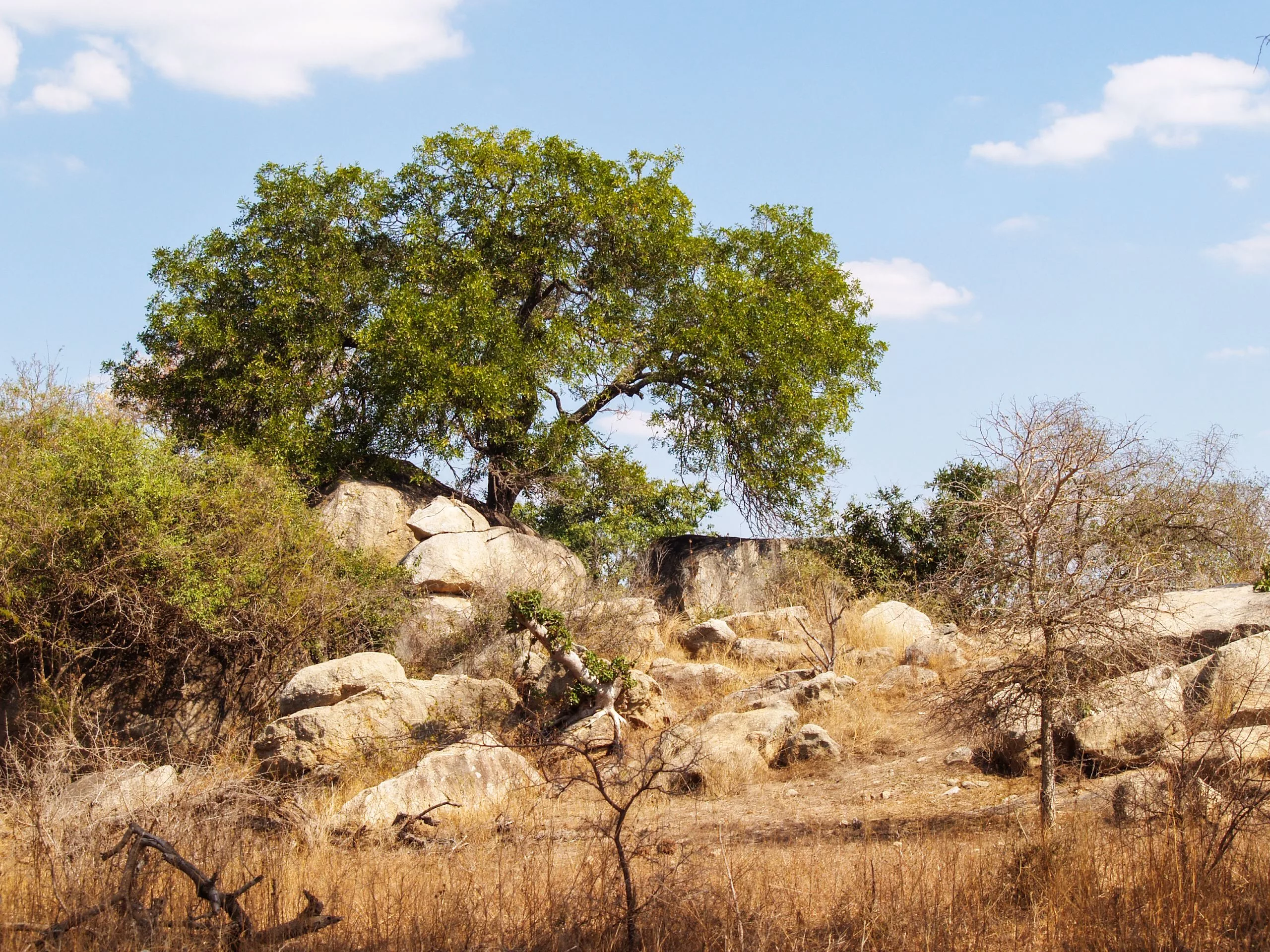
The Great Fish River is one of the more unexpected landscapes on this list. Its winding course through the Eastern Cape creates a rugged wilderness of thicket, grassland and savannah, while the river itself has played an important role in the region’s history.
The Great Fish River Nature Reserve incorporates several protected areas and covers about 45 000 hectares. It is home to significant plant diversity and more than 245 recorded bird species. At Adam’s Krantz, a viewpoint overlooks the twisting river and canyon, while the Double Drift area provides access to the river itself.
The river also carries a complicated human history. It once formed a boundary between settler and Xhosa territories during the Frontier Wars, and the surrounding reserve contains remnants including forts, signal towers, fortified farmsteads and graves.
That combination of wilderness and history gives the Great Fish a different character from the more famous rivers on this list. It is a place to slow down, look beyond the scenery and understand how a river can shape both a landscape and the people who live around it.
Best for: Wilderness, birding, history and getting away from better-known tourist routes.
Don’t miss: Adam’s Krantz viewpoint and the river at Double Drift.
Follow the water
These six rivers reveal just how different South Africa can be. The Orange cuts through an arid Northern Cape landscape; the Sabie brings wildlife to the water in Kruger; the Blyde has carved a vast green canyon; the Tugela tumbles through the Drakensberg; the Breede nourishes the Western Cape’s farming and wine country; and the Great Fish winds through a landscape layered with wildlife and history.
Follow us on social media for more travel news, inspiration, and guides. You can also tag us to be featured.
Instagram | Facebook | Twitter | Spotify
ALSO READ: