


Across South Africa, children can follow trails that lead to ancient fossils, animal tracks, rock art, archaeological sites, geological clues and even hidden treasure.
These experiences turn a day out into a giant outdoor detective game. Instead of simply walking from one attraction to the next, children have something to look for and questions to answer. From the West Coast to the Limpopo Valley, these are some of the South African holidays where the journey itself becomes part of the adventure.
Follow a fossil trail at West Coast Fossil Park
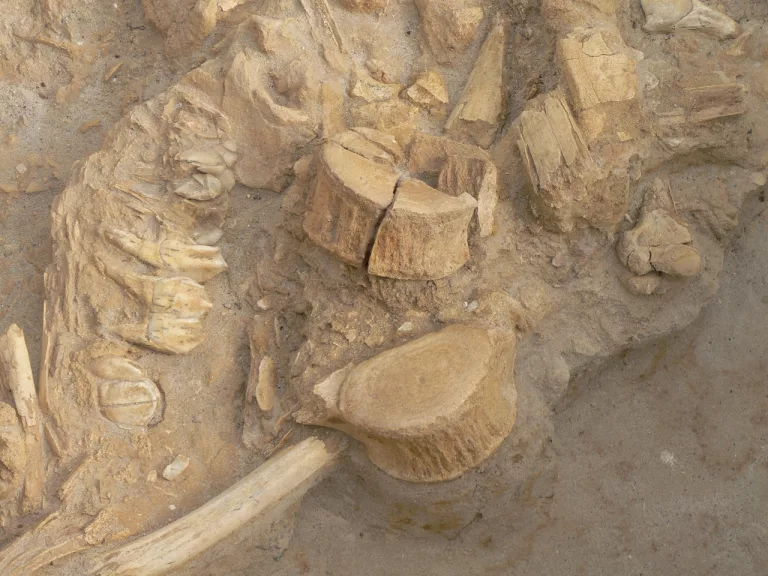
West Coast Fossil Park/Andrew Hall/Wikimedia Commons
A holiday on the West Coast can take children millions of years into the past at West Coast Fossil Park, near Langebaan.
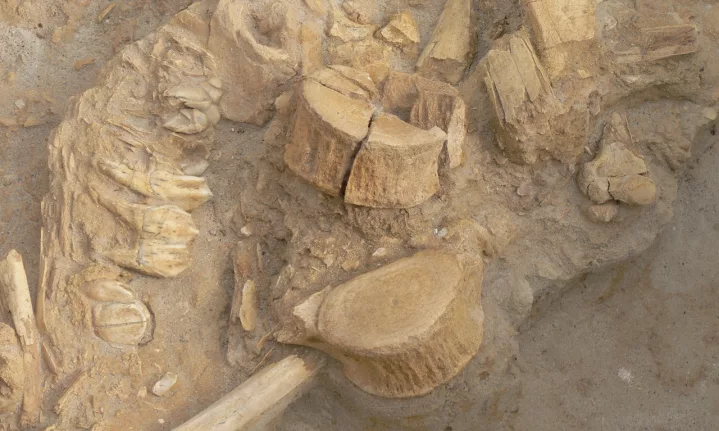
The site preserves an extraordinary fossil record from around 5.2 million years ago, when the landscape supported animals very different from those living in the region today. Children can learn about extinct species and the fossils found in the area while exploring the park and museum.
The experience goes beyond looking at fossils behind glass. The park has offered children’s activities including mock digs, fossil-making, treasure hunts and interactive activities designed to introduce young visitors to palaeontology.
Make it a fossil detective mission
Give children a simple challenge: find out which animals once lived here, identify different types of fossils and work out what the ancient landscape may have looked like.
The park currently offers walking trails as well as guided tours and museum visits, with children’s tickets available. Its current visitor information lists walking trails at R20 for children under 15 and guided tours at R70.
Best for: Young palaeontologists, dinosaur fans and curious kids.
Solve a mystery in Darling
You don’t need to venture into the wilderness to give children a trail to follow.
In the small Western Cape town of Darling, families can turn a day trip into a treasure hunt with the Darling Mystery Trail. The experience takes participants through the historic village, where they follow clues, solve riddles and search for hidden treasures.
There are two versions. The Mystery Trail HISTORY introduces visitors to Darling’s past, while Mystery Trail CLEVER & SMART focuses more heavily on solving tricky riddles – an option the organisers specifically say children enjoy. Both take approximately 1.5 to two hours at a relaxed walking pace.
Let the clues lead the way
The trail starts at the Darling Museum, where participants collect their map before setting off. Along the route, families encounter historic buildings and landmarks while piecing together the answers.
The current family special is R100 for two adults and two children, making this one of the more accessible adventures on the list.
Best for: Puzzle-loving children and families looking for an easy Western Cape day adventure.
Step into the story of human evolution
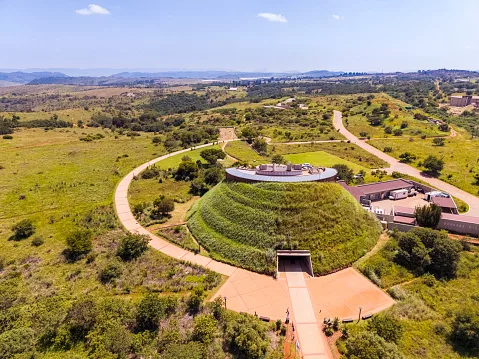
Maropeng museum at the Cradle of Humankind/By: COSMOS-120/Getty Images
At the Cradle of Humankind, the clues aren’t hidden treasure but evidence of some of the earliest chapters in the human story.
The UNESCO World Heritage Site contains important fossil sites including Sterkfontein, Swartkrans and Kromdraai. Thousands of fossils have been discovered in the region, providing evidence of human evolution over millions of years.
At Sterkfontein, the fossil record includes early human relatives, ancient animal remains and stone tools. Researchers say the discoveries document millions of years of changes in humans, animals and the surrounding environment.
Ask children to follow the evidence
Rather than treating the Cradle as simply another museum stop, encourage children to think like archaeologists.
The Maropeng experience also explores subjects including fossils, evolution, DNA, extinction and the formation of Earth’s continents, giving families plenty of material to turn a visit into a learning adventure.
Best for: Older children with an interest in science, archaeology and human history.
ALSO READ:
Follow fossils, geology and rock art at Gamkaberg
Gamkaberg Nature Reserve in the Klein Karoo offers one of the most satisfying combinations for a family interested in nature and history.
The 2.5km Mousebird Short Heritage Trail has interpretation boards covering plants, animals, geology and fossils, and includes a visit to an authentic rock-art site. The longer 4.1km Pied Barbet Heritage Trail follows a similar theme and climbs further into the landscape.
Turn the walk into a checklist
Children can be encouraged to look for different plants, identify birds, notice geological formations and learn how people used the landscape in the past.
The result is a trail where there is something new to discover around almost every corner – rather than a walk where the only objective is reaching the end.
Best for: Families who want wildlife, geology and history in one outing.
Search for clues to Gondwana at Robberg
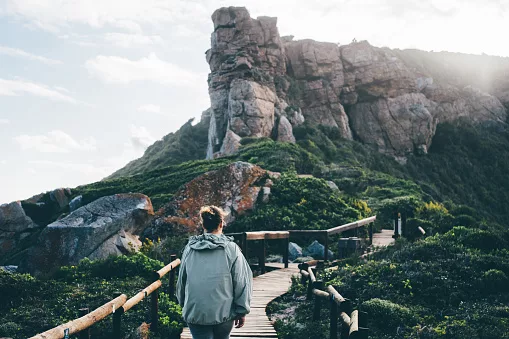
A female tourist walks along the coast in Robberg Game Reserve/By: Maria Korneeva/Getty Images
The Garden Route’s Robberg Nature Reserve offers another opportunity to make geology exciting for children.
The reserve’s 2.1km Gap Circuit is its shortest and easiest route. It leads into a mudstone cleft containing evidence associated with the prehistoric break-up of Gondwanaland around 120 million years ago.
Make it interesting by asking: What did this place look like millions of years ago?
That question can turn an ordinary family walk into a journey through geological time.
Younger children can concentrate on spotting different rocks, shells, plants and birds, while older children can learn about the ancient supercontinent and how Earth’s continents changed position.
The longer Witsand Circuit is 5.5km, while the 9.2km Point Circuit is considerably more strenuous and is not recommended for young children.
Best for: Families exploring the Garden Route who want a short trail with a big geological story.
Follow an ancient herbal and rock art trail
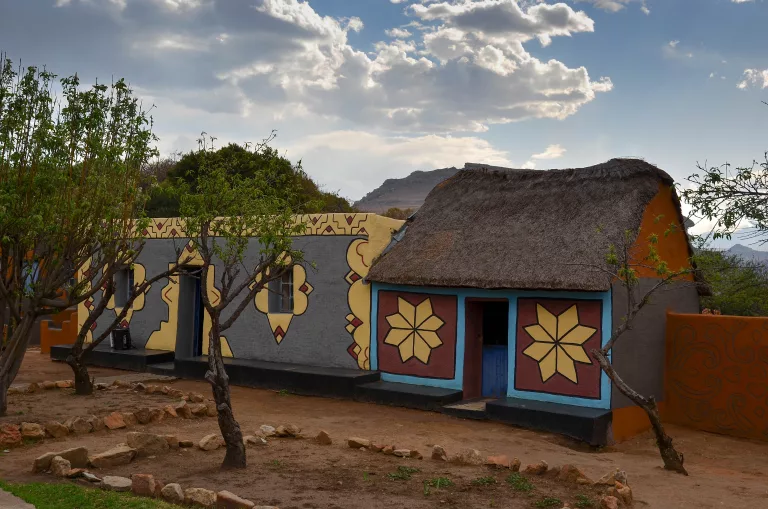
Basotho Cultural Village/Pavel Špindler/Wikimedia Commons
At the Basotho Cultural Village in Golden Gate Highlands National Park, a trail can introduce children to both traditional knowledge and ancient rock art.
The two-hour Herbal Trail is guided by the village’s traditional healer, who explains medicinal plants encountered along the route. The walk then continues towards caves where visitors can view San rock art.
Look at the landscape differently
The experience provides an opportunity to talk about how people have used plants for generations and how earlier communities recorded aspects of their lives and beliefs through rock art.
SANParks also offers a longer cultural route focused on heritage and historical sites associated with the first occupants of the Qwa Qwa area.
Because these are cultural heritage sites, children should be taught to observe rather than touch or interfere with rock art.
Best for: Families interested in indigenous knowledge, culture and history.
Follow the clues to an ancient kingdom at Mapungubwe
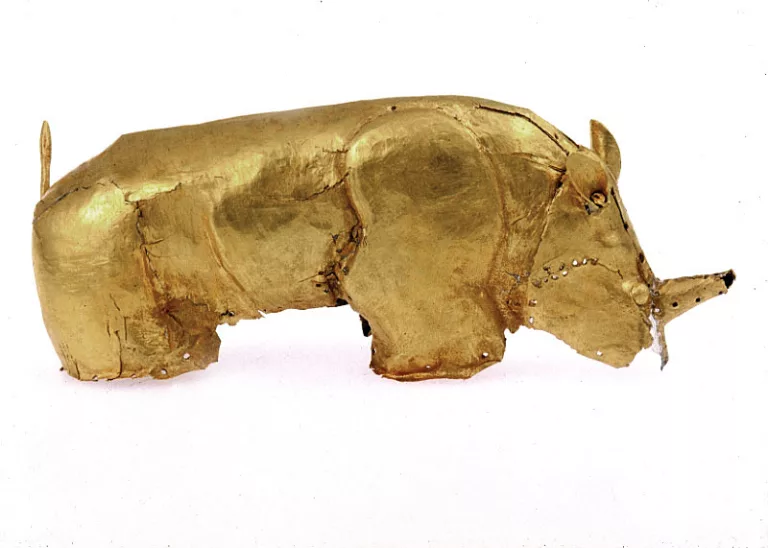
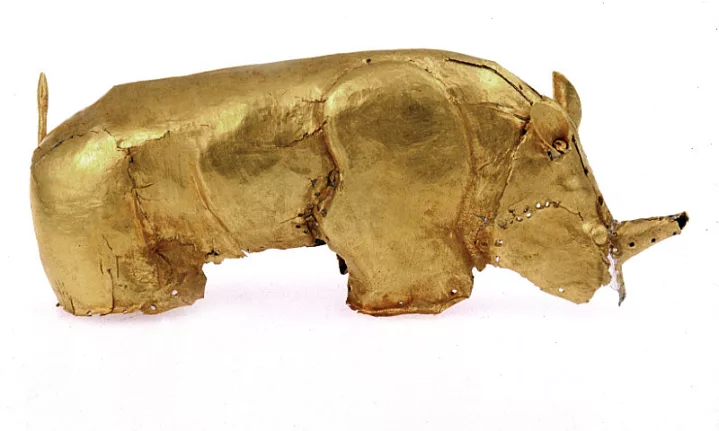
Golden Rhinoceros of Mapungubwe/Sian Tiley-Nel/Wikimedia Commons
The ancient Mapungubwe Kingdom flourished in the Limpopo Valley, and archaeological discoveries have revealed evidence of settlements, trade, farming, ironworking and social organisation. The famous Golden Rhino, discovered in a royal grave in 1932, has become a symbol of the site.
The park’s Interpretation Centre introduces visitors to this history, while guided heritage tours take visitors towards Mapungubwe Hill and the ancient royal landscape.
Follow the story of the Golden Rhino
For children, the story practically writes its own treasure-hunt script.
Who lived here? What did they trade? Why was Mapungubwe Hill important? How did archaeologists discover the graves? What clues can pottery, beads and stone walls provide?
The archaeological sites include evidence of settlements dating back more than a thousand years, including Bambandyanalo and K2, which help tell the story of how increasingly complex societies developed in the region.
Some guided activities have age restrictions, so families should check the current requirements before booking. SANParks currently lists its guided heritage site tours and morning guided walks at Mapungubwe as suitable for visitors aged 12 to 65.
Best for: History buffs, budding archaeologists and older children.
Become a wildlife detective
A trail doesn’t always have to be marked on a map. In the bush, the most interesting trails can be the ones animals leave behind.
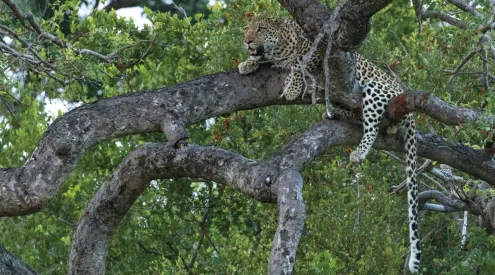
A footprint in the sand, a broken branch, dung on a path, claw marks on a tree or freshly grazed grass can all become clues. Children can learn to look beyond the animals they immediately see and start asking what has passed through the landscape.
Make tracking part of a safari
Parents can ask guides whether tracking activities are available during their stay rather than simply booking a conventional game drive.
The challenge is simple: find a track, work out its direction, identify the animal and then look for another clue nearby.
Best for: Wildlife-loving children who want to do more than tick animals off a game-drive checklist.
Let children make their own holiday trail
You don’t always need a formal children’s programme to turn a destination into an adventure.
Before setting out, give each child a small notebook and create a holiday discovery list.
The family trail challenge
Try finding:
- An animal footprint
- A bird feather
- Three different types of leaves
- An interesting rock
- Evidence that an animal has been feeding
- Something built by people who lived here long ago
- A historical clue
- A fossil or fossil impression, where collecting is permitted
- A plant traditionally used by local communities
- A viewpoint that tells you something about the landscape
The important rule is look, don’t take. Fossils, archaeological artefacts, rock art and other heritage resources are protected, and visitors should leave discoveries where they are and follow site rules.
The reward doesn’t have to be a prize. Let children draw their discoveries, photograph them where appropriate or add them to a family holiday journal.
The best family holidays are sometimes about what you find
South Africa’s landscapes are filled with stories, but children don’t always experience them when they’re presented as a list of facts.
Give them a trail to follow, and suddenly a fossil becomes a clue, a footprint becomes a mystery, a rock becomes evidence and an old settlement becomes a story waiting to be pieced together.
Follow us on social media for more travel news, inspiration, and guides. You can also tag us to be featured.
Instagram | Facebook | Twitter
ALSO READ:
8 South African family trips that don’t involve a game drive