The first thing you notice about Mto wa Mbu is that it’s green.
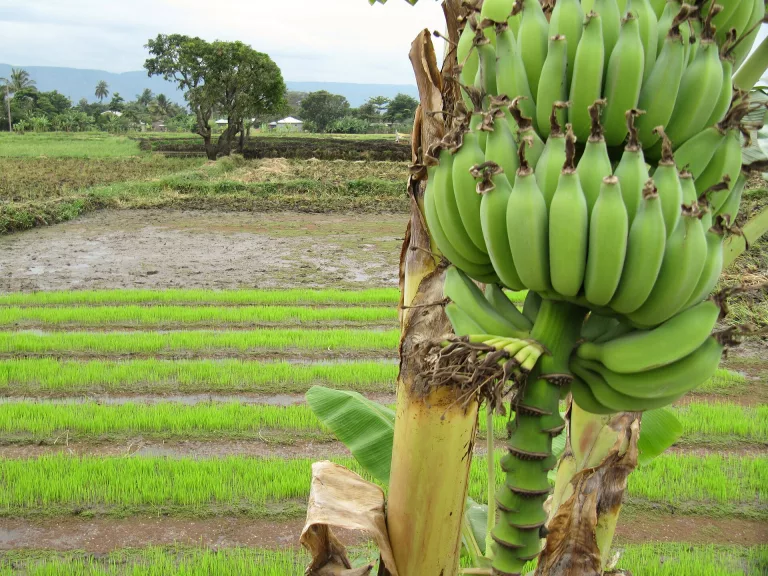
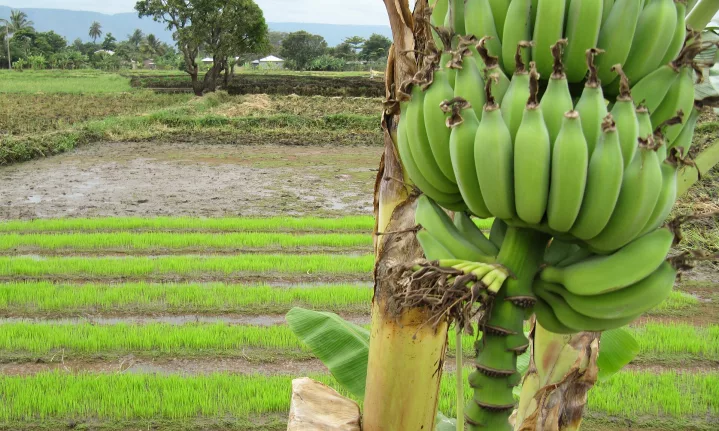
Banana plant and rice fields in Mto wa Mbu / lecucurbitacee / Wikimedia Commons
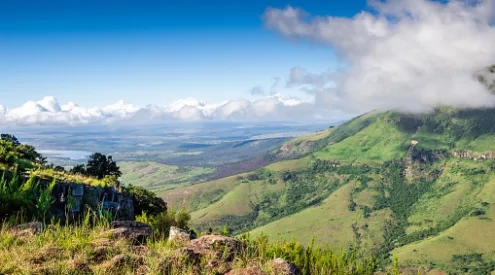
Not the endless green of a game reserve after rain, but banana leaves crowding the roadside, irrigation channels threading between fields and small plots of farmland running towards the Rift Valley escarpment. Bicycles weave through town. Vendors sit beside the road. Somewhere nearby, lunch is being prepared.
Mto wa Mbu sits just south of Lake Manyara National Park, but its story is not really about what lies beyond the park gate. It’s about what happens here: on the farms, in the markets, around family kitchens and along the roads where everyday life carries on beneath the escarpment.
A town shaped by water
Mto wa Mbu means ‘river of mosquitoes’ in Swahili, named for the river that runs through the area. Its green landscape is striking against the surrounding Rift Valley. Irrigation has turned the area into a productive agricultural pocket, with bananas, rice and other crops grown around the town.
The modern settlement developed through irrigation projects and government resettlement policies that brought people from different parts of Tanzania to the area. Today, Mto wa Mbu is often described as home to more than 120 ethnic groups, giving the town an unusually diverse cultural character.
That diversity is one of the reasons Mto wa Mbu became part of Tanzania’s cultural tourism story.
Get out of the safari vehicle
Mto wa Mbu Cultural Tourism Enterprises was established in 1996, following a pilot project designed to involve local communities in tourism and create opportunities for residents to benefit from visitors passing through the area.
Its experiences are intentionally close to everyday life. A guided village walk can take you through farms, workshops and parts of the town, while cycling tours follow agricultural areas and irrigation channels. Other experiences include market visits, local food, cultural encounters and hikes into the surrounding landscape.
The difference is pace. Instead of searching for elephants through a 4×4 windscreen, you are noticing the smaller things: the banana plants growing beside the road, people working in their fields, crafts being made by hand, or the movement of a market as the town gets on with its day.
That does not mean the cultural tourism model is without challenges. Research into Mto wa Mbu has found benefits including employment and income-generating opportunities, alongside concerns about infrastructure, marketing, community participation and the risk of cultural commodification. For travellers, that makes choosing locally run experiences particularly important.
Follow the farms
Agriculture is central to the character of Mto wa Mbu. The irrigated landscape supports bananas, rice, maize, beans, sweet potatoes, sunflower and sorghum. The cultural tourism programme says the area has around 30 varieties of bananas.
On a cycling or walking tour, the farms become part of the story rather than scenery passed on the way to somewhere else.
You see how water has shaped the landscape, how crops are grown and how agriculture connects directly with the food, markets and livelihoods of the town.
It’s a different way of experiencing Tanzania. Not from behind glass or a vehicle window, but at walking pace.
Go where the market is
The markets offer another glimpse into everyday life.
Mto wa Mbu’s cultural tourism programme includes visits to the local Maasai market, with a larger village-wide market also held on the 22nd of each month.
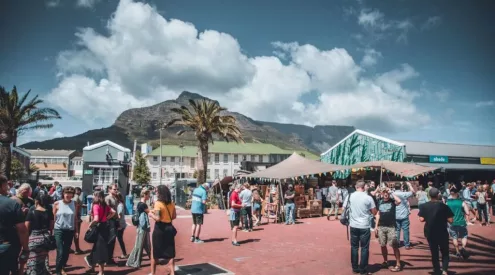
The market is busy, social and practical. People are buying and selling, meeting and moving through the day. It’s worth putting the camera away for a moment and simply taking it in.
Taste the town
Food is another way into Mto wa Mbu’s cultural mix.
Local food experiences connect visitors with the ingredients grown around the town and the people who prepare them. Bananas, rice, vegetables, beans and other locally grown produce reflect the agricultural landscape, while different communities have brought their own culinary traditions with them.
Lunch becomes part of the destination rather than an interruption between game drives.
And that is really what Mto wa Mbu does well. It encourages you to look beyond what can be seen and consider how a place is lived in.
Look beyond the town
The landscape surrounding Mto wa Mbu is reason enough to linger.
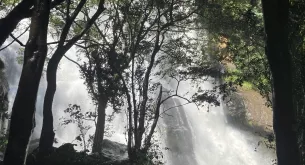
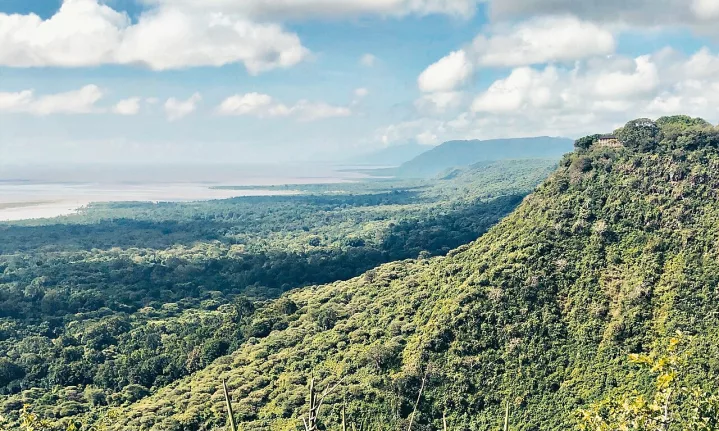
Lake Manyara National Park lies immediately south of the town, beneath the Rift Valley escarpment. The surrounding area also offers opportunities to explore places such as Miwaleni Waterfall and the hills overlooking the town.
From higher ground, the patchwork of farms and settlement below makes the town’s position in the Rift Valley easier to understand.
A destination in its own right
Northern Tanzania’s safari circuit is built around some of Africa’s biggest names: Tarangire, Lake Manyara, Ngorongoro and the Serengeti. Mto wa Mbu sits among them, but its appeal is different, It gives the safari a human scale.
The town’s location has made it an important stop on the northern tourism circuit, but its value lies in what happens when you decide not to simply pass through.
Spend a morning walking through the farms. Visit the market. Eat lunch locally. Cycle through the countryside. Talk to a guide who knows the town beyond its tourist route.
Then continue towards the national parks. Mto wa Mbu doesn’t need to compete with Tanzania’s famous wildlife destinations. Its strength is offering a closer look at the people, food, farms and everyday life that exist alongside the safari circuit.
Sometimes the most rewarding detour is simply the one that asks you to notice where you are.
Follow us on social media for more travel news, inspiration, and guides. You can also tag us to be featured.
Instagram | Facebook | Twitter | Spotify
ALSO READ:
The South African destinations where couples can switch off without going off-grid