




Turkey is a destination where ancient civilisations, Byzantine ingenuity and Ottoman craftsmanship meet in some of the world’s most remarkable buildings. In Istanbul, monumental domes and imperial palaces dominate the skyline, while elsewhere in the country, ancient theatres, rock-hewn sanctuaries and centuries-old stonework tell stories of the people who shaped the region.
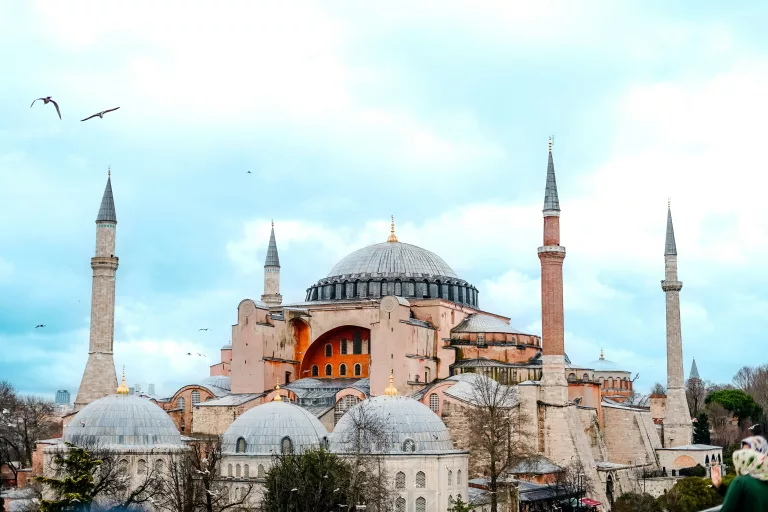
Photo: Unsplash
For architecture lovers, the country offers far more than its famous mosques. Its historic sites include underground cities, medieval trading towns and archaeological wonders that date back thousands of years. Several are recognised as UNESCO World Heritage Sites, making them worthwhile additions to a travel itinerary.
Here are 12 Turkish architectural masterpieces worth adding to your bucket list.
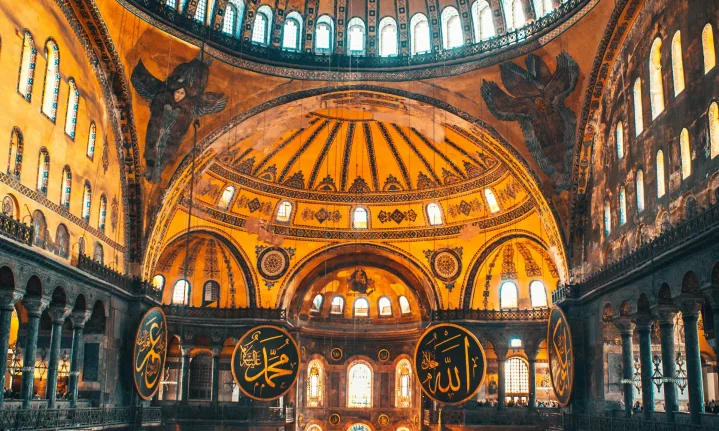
1. Hagia Sophia, Istanbul
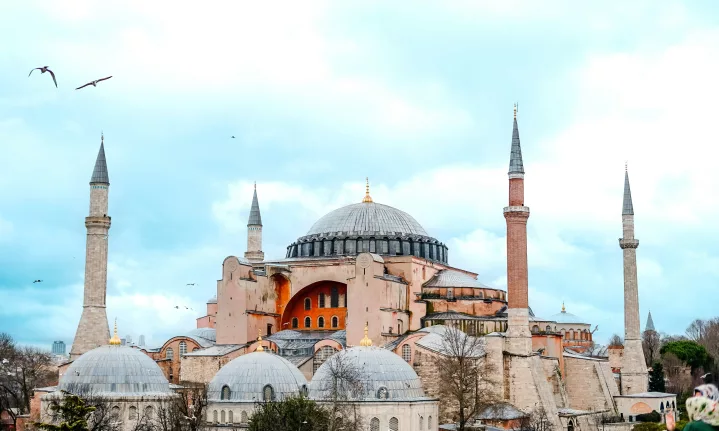
Few buildings illustrate Turkey’s layered history quite like Hagia Sophia. Originally built as a Christian cathedral under Byzantine Emperor Justinian I, it was completed in AD 537 and became one of the most influential buildings in architectural history.
Its enormous central dome, supported by an innovative system of arches and semi-domes, was a remarkable engineering achievement for its time. Inside, Christian mosaics and Islamic calligraphy reflect the building’s changing religious and political roles over the centuries.
Hagia Sophia became an Ottoman imperial mosque after the conquest of Constantinople in 1453, later served as a museum and was converted back into a mosque in 2020. It remains an active place of worship and forms part of Istanbul’s UNESCO-listed Historic Areas.
Why visit: To see how Byzantine and Ottoman architectural traditions intersect in one extraordinary building.
Travel tip: Dress modestly, check current visitor arrangements before your visit and remember that prayer times and worship requirements may affect access to some areas.
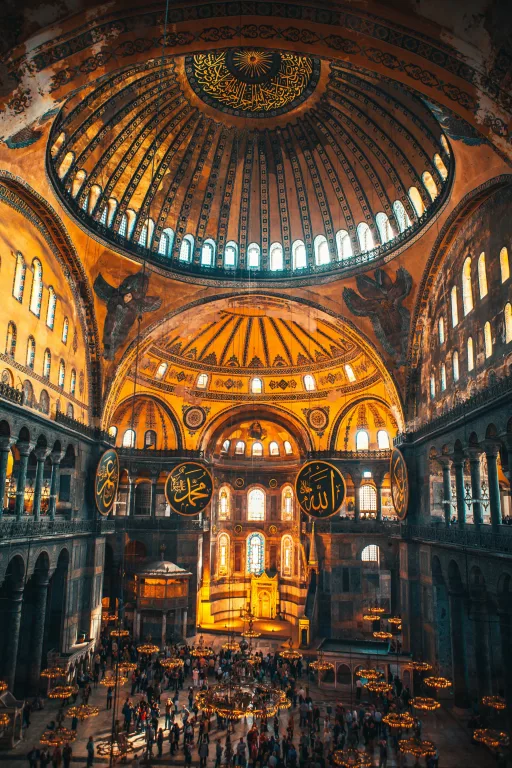
Photo: Unsplash
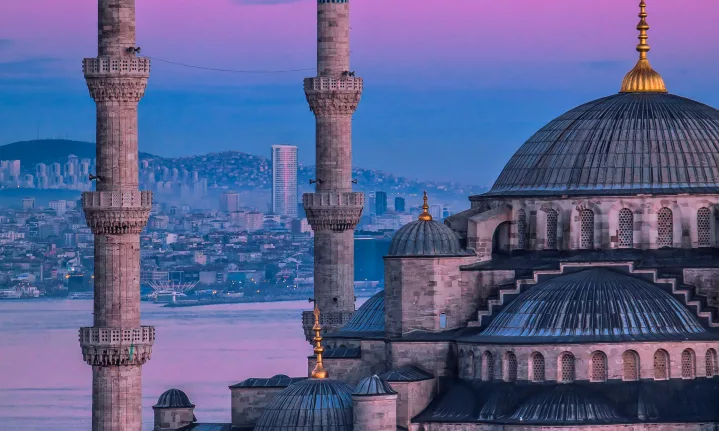
2. The Blue Mosque, Istanbul
Directly opposite Hagia Sophia, the Blue Mosque, officially known as the Sultan Ahmed Mosque, is another essential stop on Istanbul’s historic peninsula.
Completed in 1616 during the reign of Sultan Ahmed I, the mosque is celebrated for its cascading domes, six slender minarets and richly decorated interior. Its popular English name comes from the blue Iznik tiles that adorn sections of the interior, complemented by stained-glass windows and intricate decorative details.
The building was designed to make an impression from both inside and out. Its arrangement of domes creates a distinctive silhouette, while the spacious courtyard provides a sense of scale that is easy to miss when admiring it from the surrounding streets.
The mosque is part of the Historic Areas of Istanbul, a UNESCO World Heritage property that illustrates the city’s importance as a meeting point between European and Asian architectural traditions.
Why visit: For its striking skyline, elaborate tilework and the opportunity to compare Ottoman mosque architecture with Hagia Sophia’s Byzantine design.
Travel tip: Visit outside prayer times where possible and allow time to appreciate the courtyard as well as the interior.
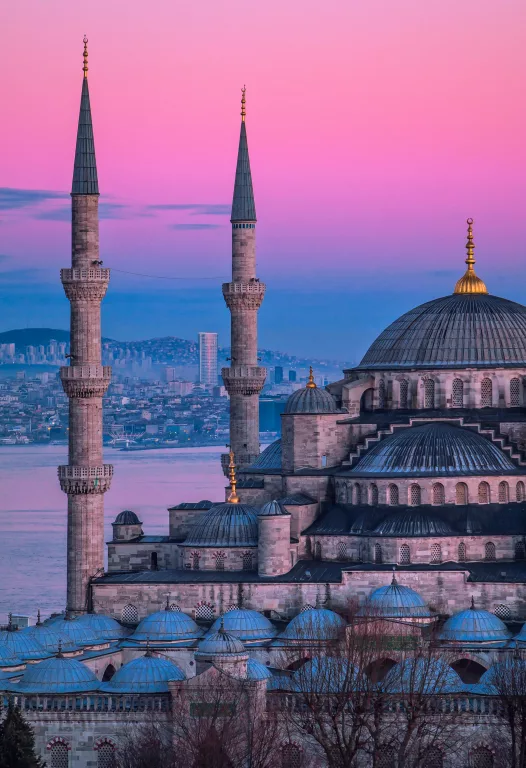
Photo: Unsplash
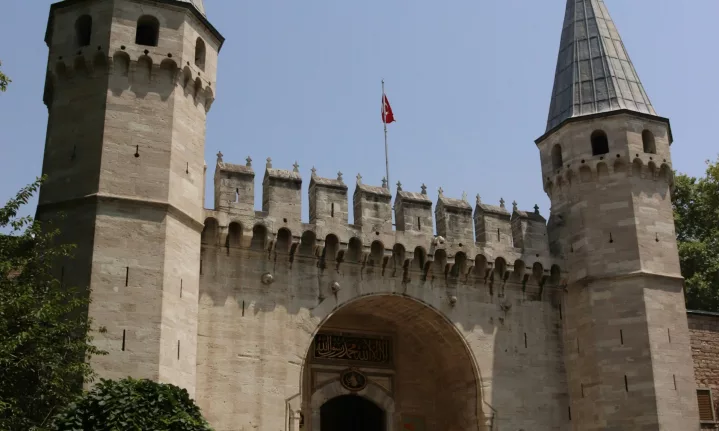
3. Topkapi Palace, Istanbul
For centuries, Topkapi Palace was at the centre of Ottoman imperial life. Following the Ottoman conquest of Constantinople, construction began in the 15th century, and the palace complex continued to develop over subsequent centuries.
Unlike European palaces built around a single monumental façade, Topkapi consists of a series of courtyards, pavilions, gardens and halls. This arrangement reflects the organisation of the imperial court, with different areas serving administrative, ceremonial and private purposes.
Its architectural highlights include ornate gates, decorated chambers, tiled interiors and terraces overlooking the Bosphorus. The palace also houses collections associated with the Ottoman court, offering a glimpse into the wealth and political influence of the empire.
Topkapi is one of the principal monuments within Istanbul’s UNESCO-listed Historic Areas.
Why visit: To experience Ottoman palace architecture and learn how the imperial court functioned.
Travel tip: Set aside several hours if you want to explore the courtyards, exhibitions and palace interiors without rushing.
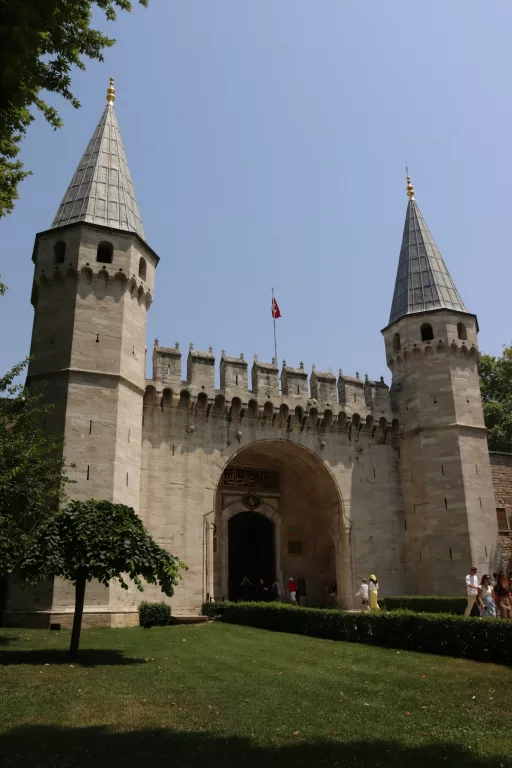
Photo: Unsplash
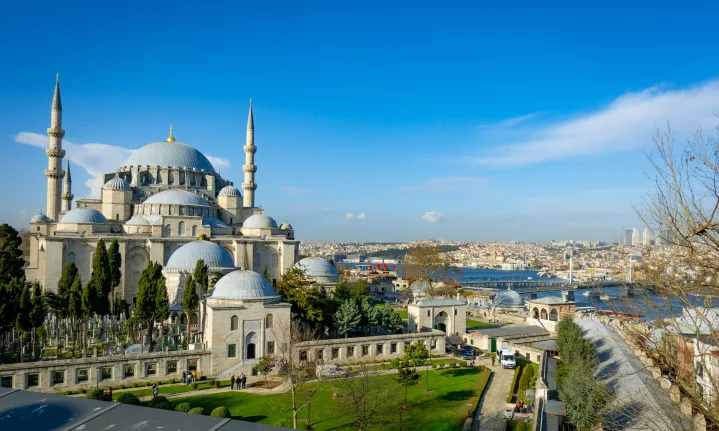
4. Süleymaniye Mosque, Istanbul
While the Blue Mosque often draws the crowds, the Süleymaniye Mosque deserves a place on any serious architecture itinerary.
Commissioned by Sultan Süleyman I, better known as Suleiman the Magnificent, and designed by celebrated Ottoman architect Mimar Sinan, the mosque was completed in the 1550s. Its elevated position gives it a commanding presence over the city and the Golden Horn.
The building’s great dome, balanced proportions and carefully arranged supporting structures demonstrate Sinan’s mastery of monumental architecture. However, the complex is more than a place of worship. It was designed as a külliye, an integrated group of buildings that traditionally supported religious, educational and social services.
The wider complex included facilities such as religious schools, a library, a medical school, a bathhouse and charitable institutions. Together, these buildings illustrate the role major Ottoman religious complexes played in urban life.
Why visit: For its harmonious design, elevated views and insight into the relationship between architecture and public life during the Ottoman period.
Travel tip: Explore the surrounding neighbourhood on foot to appreciate how the mosque fits into the historic urban landscape.
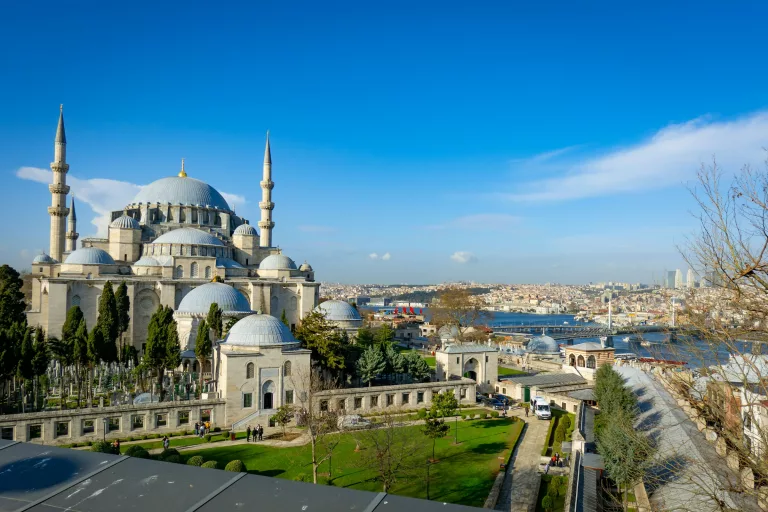
Photo: Unsplash
5. Selimiye Mosque, Edirne
Beyond Istanbul, the city of Edirne is home to another masterpiece by Mimar Sinan: the Selimiye Mosque.
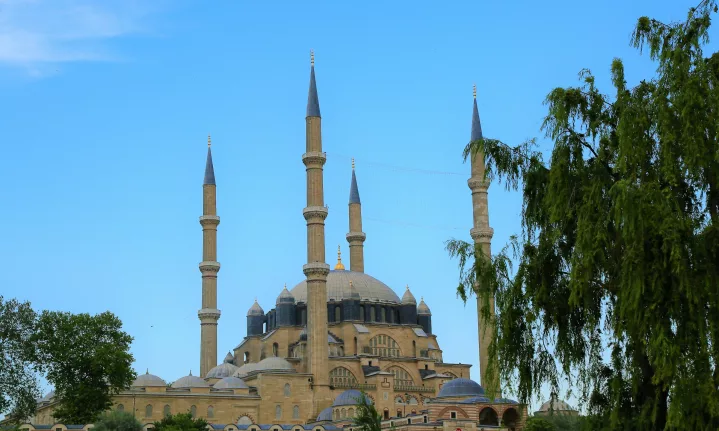
Commissioned by Sultan Selim II and completed in the 16th century, the mosque is distinguished by its vast central dome and four exceptionally slender minarets. Sinan regarded it as his greatest architectural achievement, and the building is recognised by UNESCO for its outstanding design and craftsmanship.
Inside, the prayer hall feels expansive and light-filled, thanks to the arrangement of windows and the structural system supporting the dome. Iznik tiles, marble details and carefully considered proportions add to the building’s visual impact.
The surrounding complex includes educational buildings and a covered market, reflecting the Ottoman tradition of combining religious architecture with institutions serving the wider community.
Why visit: To see one of Sinan’s most celebrated works outside Istanbul and appreciate the precision of classical Ottoman architecture.
Travel tip: Consider Edirne if you want to broaden an Istanbul itinerary with another historically significant Ottoman city.
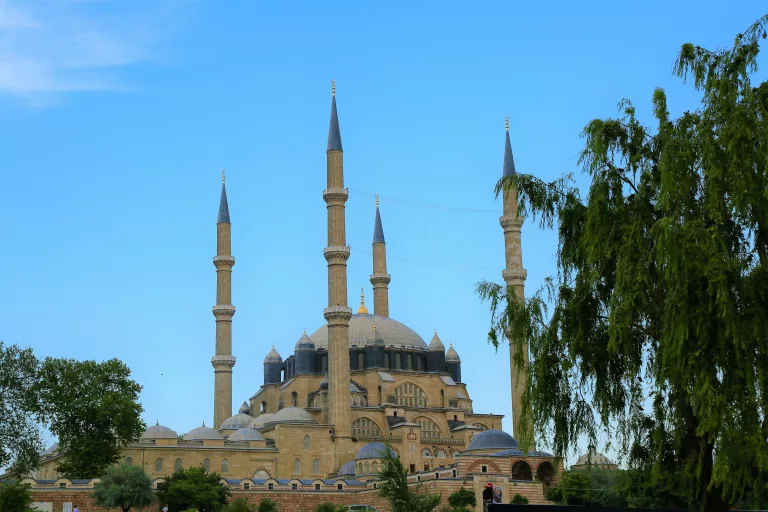
Photo: Unsplash
6. The Library of Celsus, Ephesus
The ancient city of Ephesus is one of Turkey’s most impressive archaeological destinations. Among its best-known monuments is the Library of Celsus, a richly decorated Roman building that remains a highlight of the ancient city’s ruins.
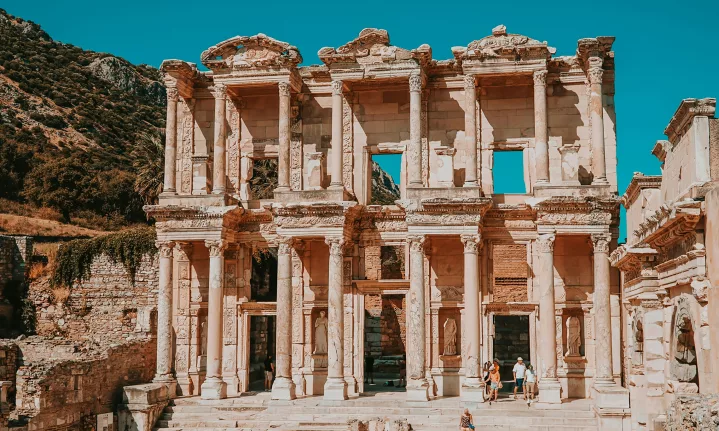
Constructed in the second century AD, the library was built in honour of Tiberius Julius Celsus Polemaeanus, a Roman senator and governor of the province of Asia. It also served as his monumental tomb.
Its reconstructed façade features two storeys of columns, niches and elaborate architectural ornamentation. The interplay of columns, projecting elements and decorative details creates an impressive sense of depth, even in the surviving ruins.
The library once formed part of a thriving Roman city, whose remains include a monumental theatre, streets, temples and other public buildings. Ephesus is a UNESCO World Heritage Site recognised for its exceptional record of Hellenistic, Roman and early Christian history.
Why visit: For a close look at Roman public architecture and the scale of an ancient city that once flourished on the Aegean coast.
Travel tip: Wear comfortable walking shoes and allow several hours to explore beyond the Library of Celsus. The site is extensive, and exposed areas can become hot in summer.
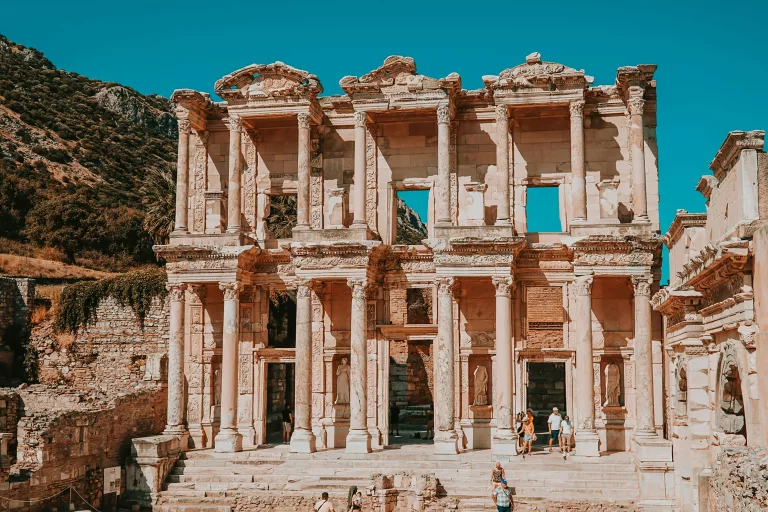
Photo: Unsplash
7. The rock-cut churches of Cappadocia
In central Anatolia, the architecture of Cappadocia is shaped as much by geology as by human ingenuity.
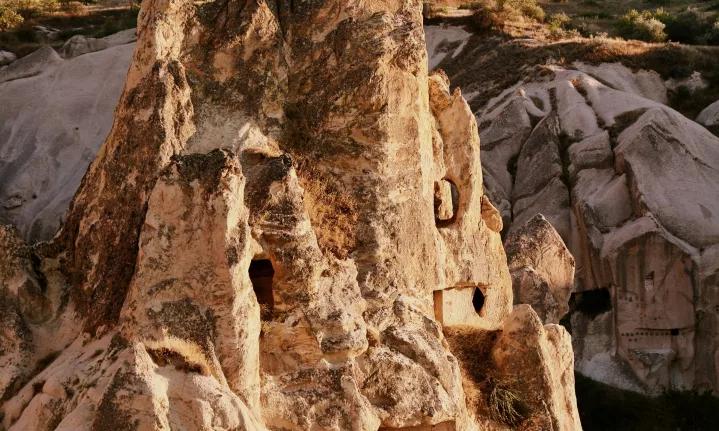
Volcanic activity created layers of relatively soft rock, which erosion gradually sculpted into the region’s distinctive pinnacles and fairy chimneys. Over many centuries, people carved homes, chapels, monasteries and underground spaces into this landscape.
The Göreme area is particularly important for its rock-hewn sanctuaries, some of which contain frescoes that offer insight into Byzantine religious art. The wider UNESCO-listed property includes troglodyte settlements and underground cities, including Kaymaklı and Derinkuyu.
Rather than constructing buildings from stone blocks, generations of inhabitants adapted the natural rock itself. The result is an architectural landscape that looks markedly different from Turkey’s monumental palaces and mosques.
Why visit: For an unusual combination of natural scenery, historic cave architecture and Byzantine art.
Travel tip: Visit the Göreme Open-Air Museum for an introduction to the region’s rock-cut religious architecture. A wider itinerary can include cave settlements and underground cities, subject to current access arrangements.
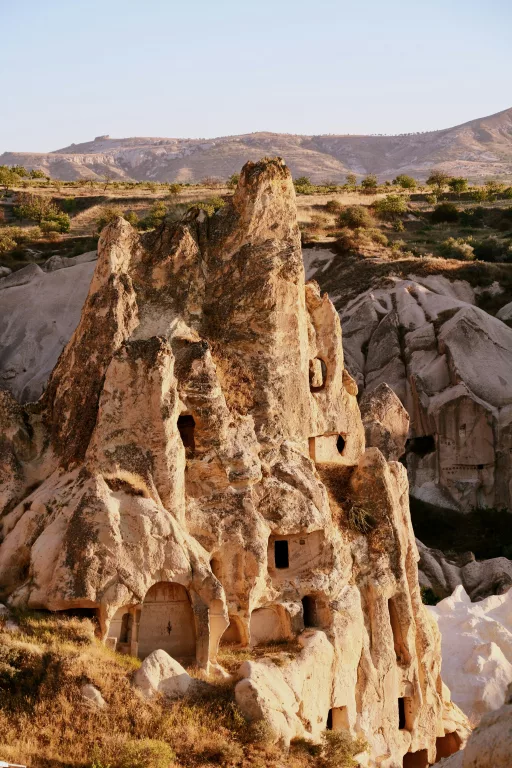
Photo: Unsplash
8. Göbekli Tepe, Şanlıurfa
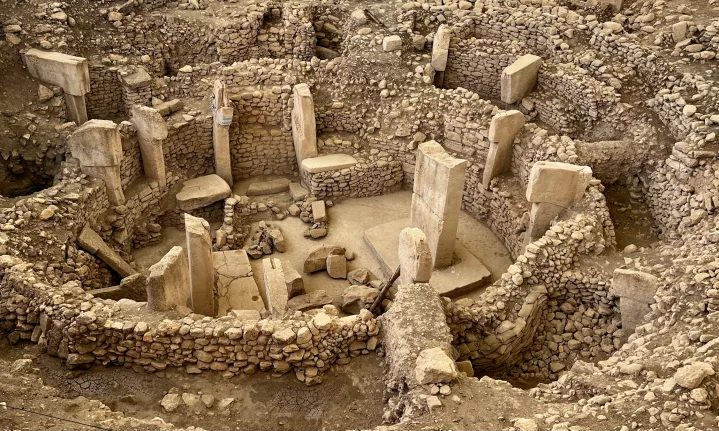
Long before the construction of the great temples, palaces and mosques associated with later civilisations, communities in what is now southeastern Turkey were creating monumental structures of their own.
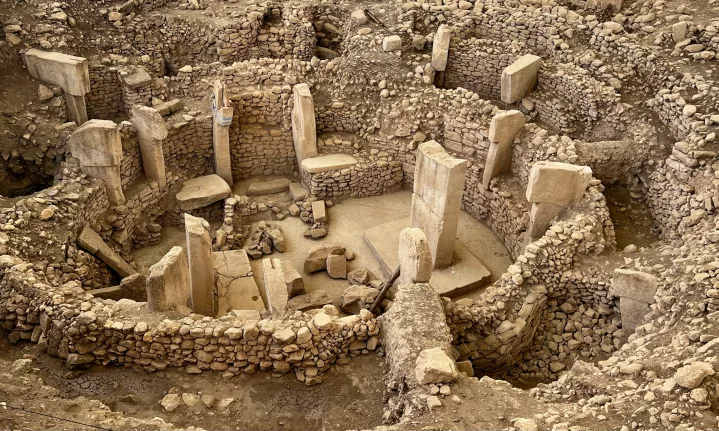
At Göbekli Tepe, archaeologists have uncovered monumental enclosures dating to the Pre-Pottery Neolithic period, approximately 9600 to 8200 BC. The site is particularly known for its large T-shaped limestone pillars, some reaching about 5.5 metres in height, decorated with carved animals and other imagery.
These structures challenge older assumptions about the development of monumental architecture and the social organisation needed to create it. Researchers believe the enclosures were used for communal activities and probably rituals, although their precise functions remain a subject of study.
Göbekli Tepe was inscribed on the UNESCO World Heritage List in 2018. It offers a very different perspective on architecture: one that begins with early communities shaping stone into monumental forms rather than with the familiar buildings of later empires.
Why visit: To see one of the world’s most significant early monumental building sites and encounter architecture dating back around 11,000 years.
Travel tip: Combine the visit with time in Şanlıurfa, a historic city in southeastern Turkey. Check site access and transport arrangements before travelling.
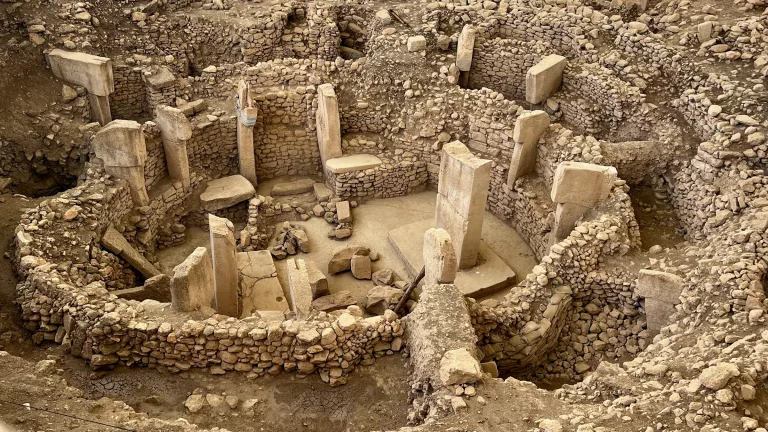
Photo: Unsplash
9. The Great Mosque and Hospital of Divriği
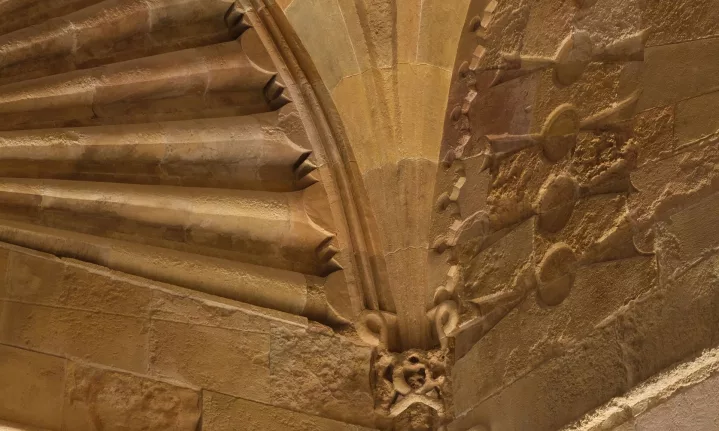
In the town of Divriği in central-eastern Turkey, the Great Mosque and Hospital of Divriği showcases the extraordinary craftsmanship of medieval Anatolian architecture.
Built in 1228–1229, the complex combines a mosque with an adjoining hospital, known as a darüşşifa. It is particularly celebrated for the intricate stone carvings on its monumental entrances, which contrast with the comparatively restrained interior walls.
The entrances feature elaborate geometric patterns and plant-inspired designs, carved with such depth that the stonework appears almost sculptural. Inside, carefully constructed vaults and domed spaces demonstrate the technical skill of the builders.
The combination of religious and medical facilities is equally significant. The complex reflects a tradition in which major architectural commissions could serve several community needs rather than functioning as standalone monuments.
UNESCO recognises the complex as an exceptional example of Islamic architecture, with distinctive construction techniques and decoration that set it apart from other medieval buildings in the region.
Why visit: For some of the most remarkable medieval stone carving in Turkey, as well as an architectural complex that combines religious and medical history.
Travel tip: Divriği lies away from Turkey’s main tourist circuit, so plan transport and accommodation carefully if you intend to include it in your itinerary.
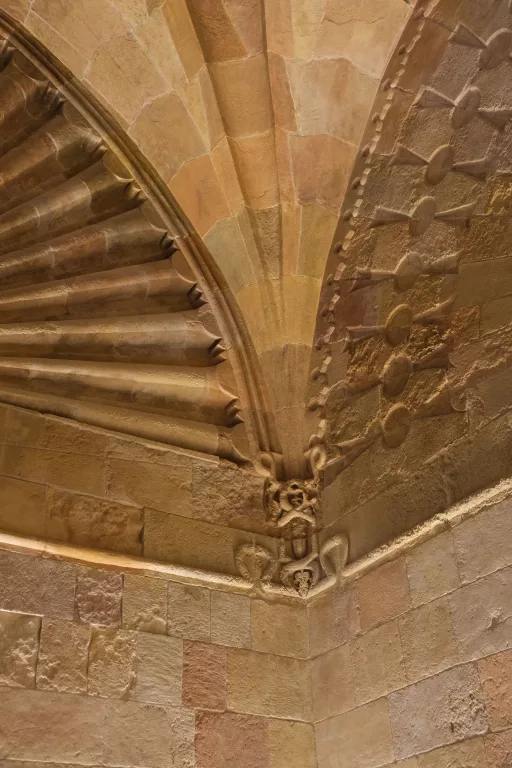
Photo: Pexels
10. The historic houses of Safranbolu
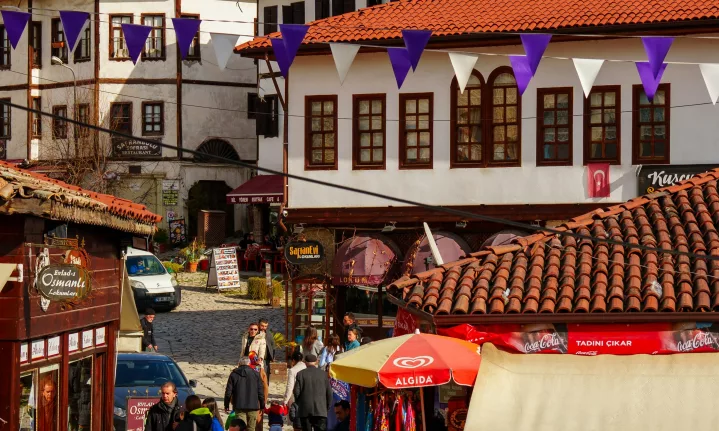
Not every architectural masterpiece needs a towering dome or monumental façade. In Safranbolu, the architecture of everyday life is the main attraction.
This historic town in northern Turkey flourished as a caravan stop along an important east-west trading route. Its prosperity helped shape a distinctive townscape of traditional houses, workshops, narrow streets and historic public buildings.
Many of its Ottoman-era houses feature timber-framed upper storeys, projecting windows and tiled roofs. Inside, traditional layouts often centre on a hall known as a sofa, connecting rooms designed for different household activities. Decorative ceilings, built-in cupboards and fireplaces reveal the attention given to interior craftsmanship.
Safranbolu’s historic districts also show how architecture responded to local topography and the needs of different communities. The result is not a single famous building, but an entire settlement that preserves the character of a historic Ottoman town.
The City of Safranbolu was added to the UNESCO World Heritage List in 1994, partly in recognition of its influence on domestic and public architecture across the Ottoman Empire.
Why visit: For traditional Ottoman houses, historic streets and a closer look at how people lived in earlier centuries.
Travel tip: Explore the old town on foot, taking time to look at the façades and architectural details rather than simply passing through the main streets.
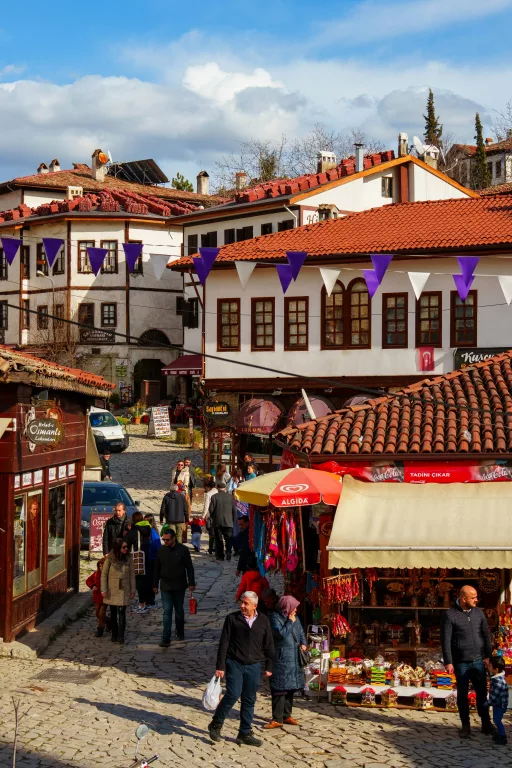
Photo: Unsplash
11. The medieval ruins of Ani
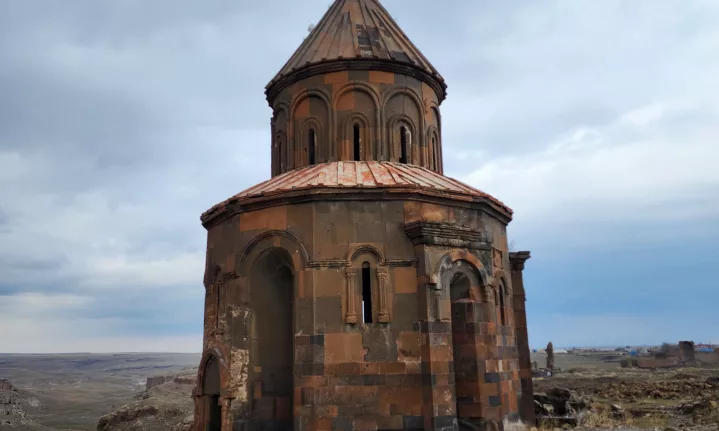
Near the city of Kars in northeastern Turkey, the archaeological site of Ani preserves the remains of a medieval city that once stood at an important crossroads of trade and cultural exchange.
Ani flourished in the 10th and 11th centuries, when it served as the capital of the Armenian Bagratid kingdom. Its position along a branch of the Silk Roads helped it develop into an important commercial centre. Over subsequent centuries, it came under different rulers, including Byzantine, Seljuk and Georgian authorities.
Today, the expansive archaeological landscape contains the remains of churches, a cathedral, a mosque, palaces, city walls and other buildings. Their varied architectural styles reflect the different communities and traditions that shaped the city over time.
The Cathedral of Ani, completed around 1001, is particularly significant. Designed by the Armenian architect Trdat, it combines architectural features associated with medieval Armenian and Byzantine traditions. The city later declined following a combination of events, including a devastating earthquake in 1319 and changes to regional trade routes.
Ani was inscribed on the UNESCO World Heritage List in 2016. Its remains offer an opportunity to understand medieval architecture as a product of cultural interaction rather than the work of a single civilisation.
Why visit: For atmospheric ruins, medieval engineering and a remarkable record of the different cultures that once met here.
Travel tip: Ani is in a remote part of northeastern Turkey. Allow time for the journey from Kars and check local conditions before setting out.
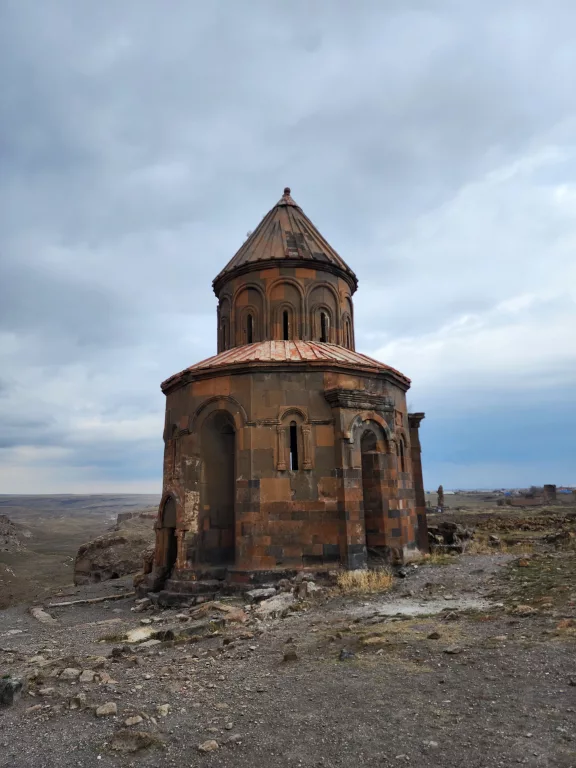
Photo: Pexels
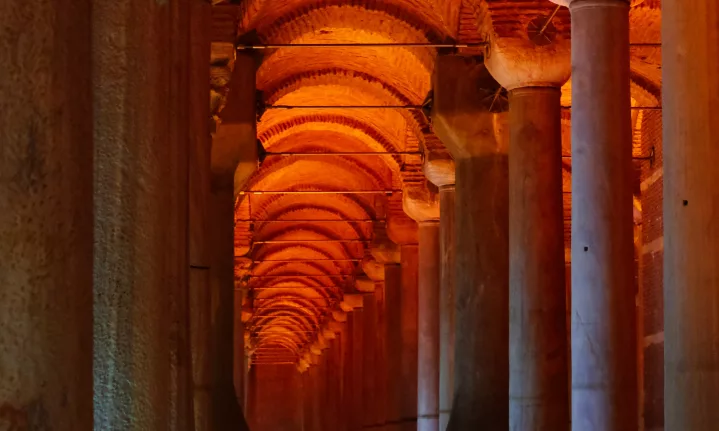
12. The Basilica Cistern, Istanbul
Beneath the busy streets of Istanbul lies an architectural landmark that is almost the opposite of the city’s soaring mosques and palaces.
The Basilica Cistern is an underground water reservoir dating to the Byzantine period. Associated with the reign of Emperor Justinian I in the sixth century, it formed part of the city’s sophisticated water-supply infrastructure.
Its interior is supported by rows of columns arranged across a vast subterranean space. Reflections on the water, subdued lighting and the repeating columns create an atmosphere unlike that of any above-ground monument.
The cistern is also notable for its reused architectural elements, including column bases carved with Medusa heads. Their original provenance and precise purpose in the cistern remain subjects of discussion, adding another layer of intrigue to the site.
Istanbul’s Historic Areas, recognised by UNESCO, include monumental cisterns among the architectural achievements that illustrate the city’s Byzantine and Ottoman history.
Why visit: For an unusual example of ancient engineering and a chance to see the infrastructure that helped sustain one of history’s great cities.
Travel tip: The Basilica Cistern is a useful addition to a walking itinerary around Sultanahmet, particularly if you are already visiting Hagia Sophia and the Blue Mosque. Check current admission arrangements before your visit.
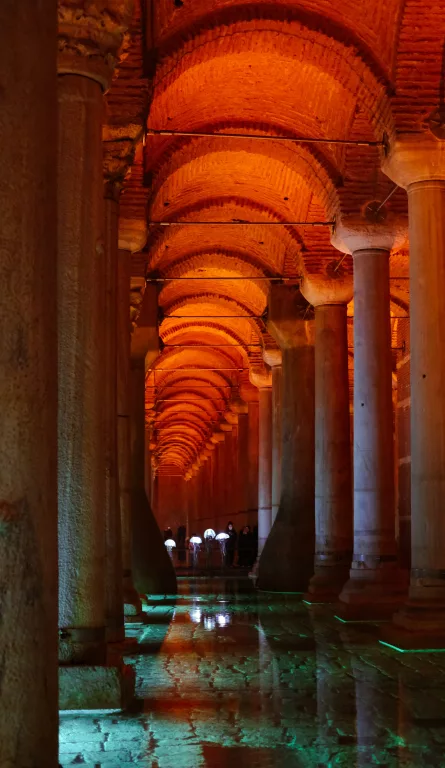
Photo: Unsplash
Before travelling, confirm opening hours, admission requirements and transport options, especially for sites outside the main tourist centres. For religious buildings, check visitor etiquette and access arrangements.
ALSO SEE: 15 of the world’s most unusual beaches, from green sand to disappearing seas
15 of the world’s most unusual beaches, from green sand to disappearing seas