



Imagine escaping the scorching Australian Outback by stepping inside a home carved into the earth. In Coober Pedy, South Australia, this is everyday life. Beneath a sun-baked landscape of rocky plains and abandoned mine workings lies a town of underground homes, churches and accommodation.
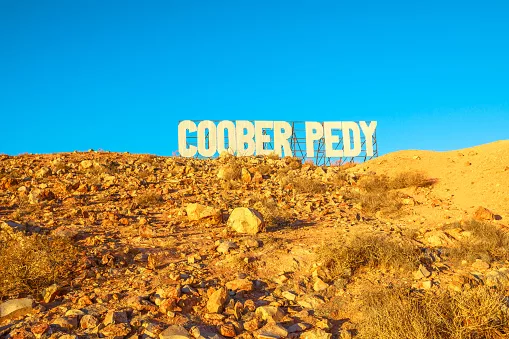
Panorama of the welcome road sign of Coober Pedy mining town in Australia at sunset. Located in the South Australian outback desertBy: Alberto Mazza/Getty Images
Known as the Opal Capital of the World, Coober Pedy offers travellers an unusual combination of desert adventure, mining history and subterranean living. Here, life below ground is not a novelty but a practical way to escape the extreme heat.
A town beneath the desert
Coober Pedy lies about 840 kilometres north of Adelaide, surrounded by the vast, dry landscapes of the Australian Outback. Above ground, the scenery is rugged and sparsely vegetated, with mining mounds scattered across the plains.
Below the surface, however, homes known as dugouts offer a surprising contrast. Excavated into the rock, these dwellings can contain comfortable living rooms, bedrooms and kitchens while benefiting from the earth’s natural insulation. Underground temperatures remain relatively stable, making life more comfortable during the region’s hot summers.
The town also has underground churches, galleries and hotels, allowing visitors to experience this distinctive lifestyle for themselves.
ALSO READ:
From opal discovery to underground living
Coober Pedy’s modern story began in 1915, when opal was discovered in the area. Prospectors arrived hoping to strike it rich, establishing a mining community in a remote and challenging environment.
The search for opal transformed the town, and the excavations created opportunities for underground living. Over time, dugouts became a practical alternative to conventional houses exposed to the desert sun.
Today, opal remains central to Coober Pedy’s identity. Visitors can explore historic mines, admire the colourful gemstone in local shops and try noodling — searching permitted areas of discarded mining material for overlooked pieces of opal.
What to see and do in Coober Pedy
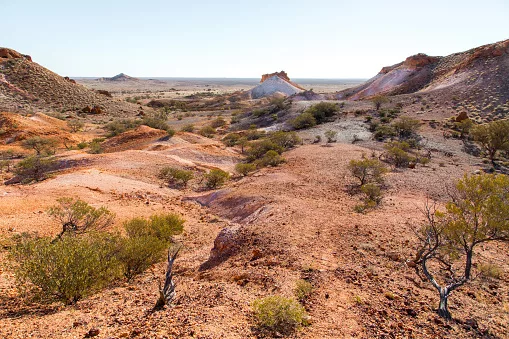
Kanku-Breakaways Conservation Park/By: John White Photos/Getty Images
Explore an underground home
A visit to an authentic dugout is one of the town’s essential experiences. See how residents have created comfortable homes inside the rock and discover how underground architecture responds to the desert climate.
Step inside an underground church
Coober Pedy’s subterranean churches reveal another side of life beneath the surface. The Serbian Orthodox Church of Saint Elijah the Prophet is particularly notable for its carved interior and unusual setting.
Discover the history of opal mining
At the Old Timers Mine, visitors can explore a historic mine, see underground living spaces and learn about the prospectors who helped shape the settlement. It is an engaging introduction to the work and determination behind Coober Pedy’s development.
Watch the desert change colour
Beyond the town, the Kanku–Breakaways Conservation Park features colourful hills, flat-topped formations and sweeping plains. The landscape is especially striking around sunrise and sunset, when changing light brings out the colours of the earth.
The nearby Moon Plain offers another memorable glimpse of the Outback, with its stark, almost lunar appearance.
Planning a visit
Coober Pedy is accessible by road along the Stuart Highway, and travellers can explore its attractions through guided tours or independently. An underground overnight stay adds another dimension to the experience, offering a chance to discover what it feels like to sleep beneath the desert.
Allow at least a couple of days to explore the underground attractions, learn about opal mining and venture into the surrounding landscape. Check road conditions and access requirements before visiting the Breakaways, as weather can affect travel on unsealed roads.
The region is also the traditional land of the Antakirinja Matu-Yankunytjatjara people, whose enduring connection to the area is an important part of its story.
A different way to experience the Outback
Coober Pedy challenges the idea that life in the desert must take place beneath an open sky. Its underground homes and community spaces demonstrate how people have adapted to a demanding environment, using the very earth beneath their feet to create shelter.
For travellers, the reward is a destination unlike almost anywhere else: a place to explore opal mines, step inside underground homes and watch the Outback glow at sunset.
In Coober Pedy, some of Australia’s most fascinating discoveries are waiting not on the horizon, but beneath it.
Follow us on social media for more travel news, inspiration, and guides. You can also tag us to be featured.
Instagram | Facebook | Twitter | Spotify
ALSO READ:
Tswaing: The meteorite crater hiding in the bushveld outside Pretoria