
A safari operator in Mozambique has won an international conservation award for its role in restoring wildlife populations in the country’s Zambezi Delta, where decades of conflict left animal numbers severely depleted.
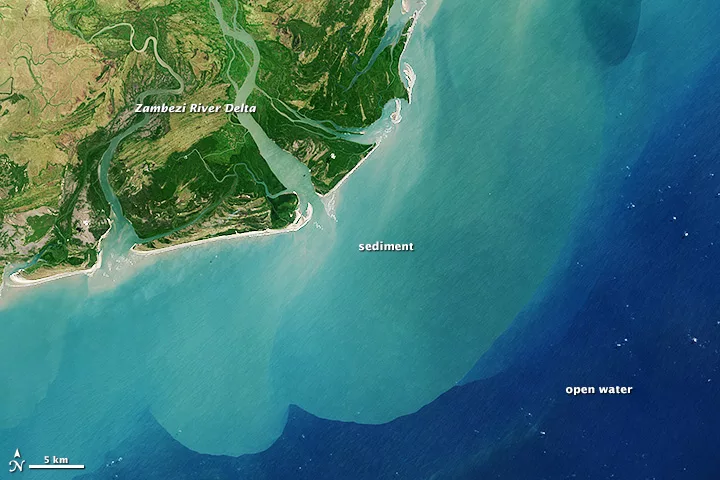
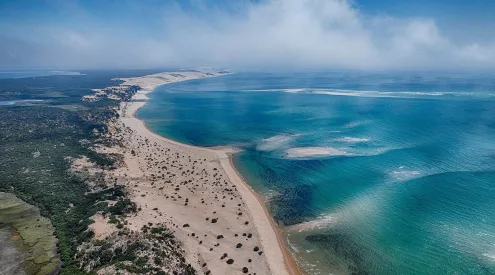
Zambezi River Delta/NASA Earth Observatory, Public domain, via Wikimedia Commons
Zambeze Delta Safaris, led by professional hunter Mark Haldane, received the 2026 Markhor Award on 22 October during the United Nations Biodiversity Conference (COP17) in Yerevan, Armenia. The award recognises contributions to conservation through sustainable wildlife management.
According to Mongabay, the company combines regulated trophy hunting with wildlife restoration, anti-poaching initiatives and community development in Coutada 11, a hunting concession in central Mozambique.
Haldane began working in the area in 1994, following years of civil war that devastated local wildlife populations. He later established Zambeze Delta Safaris with Mozambican businessperson Carlos Pacheco Faria.
Wildlife populations show signs of recovery
Figures submitted by the company for its award nomination point to a significant recovery in wildlife numbers. African buffalo populations reportedly increased from approximately 1,100 to 35,000, while sable antelope numbers grew from around 40 to 4,000.
The company also reintroduced 24 lions in 2018, with the population subsequently reaching an estimated 120 animals. Mongabay noted that it had not independently verified all the figures, although Mozambique’s Foundation for the Conservation of Biodiversity has documented substantial wildlife recovery in the region.
The award comes as governments assess progress towards global biodiversity targets adopted in 2022. Target 9 of the Kunming-Montreal Global Biodiversity Framework calls for the sustainable management of wild species, including benefits for people who depend on them.
ALSO READ:
Two Japanese climbers found dead on remote Himalayan peak in Nepal
Trophy hunting remains a contentious issue
Despite reported conservation gains, trophy hunting remains controversial, particularly over how revenue is distributed and whether local communities receive meaningful benefits.
A 2026 review of 89 studies across 13 sub-Saharan African countries found that nearly two-thirds of documented trophy-hunting outcomes were positive for either wildlife or local communities. However, questions about transparency, equitable benefit-sharing and the long-term impact of hunting continue to shape the debate.
Haldane told Mongabay that Mozambique’s legislation directs 20% of government revenue collected from concessionaires to local communities. According to him, the funds are distributed through community-nominated committees to support projects benefiting residents.
Looking ahead
Established in 2008, the Markhor Award is presented every two years and has previously recognised conservation initiatives in countries including Tanzania, Namibia, Zimbabwe and Iran.
Haldane hopes the work in Coutada 11 will help inspire further conservation efforts beyond the concession, highlighting the potential for wildlife populations to recover when sustained management and protection are in place.
Follow us on social media for more travel news, inspiration, and guides. You can also tag us to be featured.
Instagram | Facebook | Twitter | Spotify
ALSO READ:
Ancient forests beneath Mozambique’s sea are now thriving fish habitats