





The best wildlife experiences do not always happen through a car window.
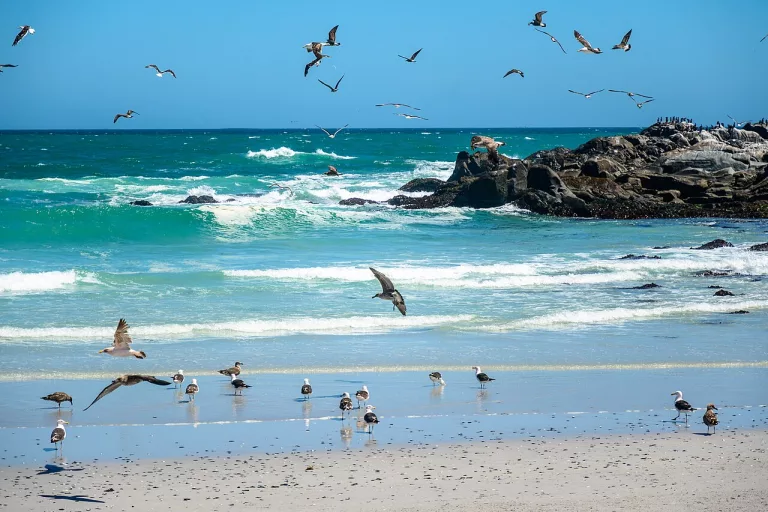
West Coast National Park/dconvertini/Wikimedia Commons
Across Southern Africa, nature reserves offer opportunities to explore the outdoors on guided walks, follow interpretive trails, learn about local ecosystems and get closer to the smaller details that make wild places special.
1. Garden Route National Park, South Africa
The indigenous forests of the Garden Route are home to an extraordinary range of plant and animal life, much of which is easy to overlook when travelling between destinations by road. The Garden Route National Park offers several ways to experience these ecosystems on foot. The Garden of Eden, near Knysna, has a short, wheelchair-friendly boardwalk through the forest, with interpretive displays covering local animals, Afromontane forests, forest management, plants and people. Visitors can learn about the environment while looking out for birds and other forest inhabitants. Further along the route, the Tsitsikamma section has interpretive displays and nature trails, including the popular Mouth Trail, which leads towards the Storms River suspension bridge. These walks combine coastal scenery with opportunities to understand the area’s forest and marine environments.
2. Mapungubwe National Park, South Africa
This UNESCO World Heritage Site protects a landscape of sandstone formations, riverine forest and savannah, while preserving the remains of an important early African kingdom. The Mapungubwe Interpretation Centre provides context about the site’s archaeology, cultural history and biodiversity. Visitors can also explore designated viewpoints and the park’s treetop boardwalk, which offers a different perspective on the surrounding landscape. The park’s interpretation displays help connect the natural environment to the people who lived here centuries ago. This makes Mapungubwe particularly worthwhile for travellers interested in the relationship between conservation, archaeology and human history. Wildlife sightings are possible, but the educational facilities and landscape are attractions in their own right.
3. West Coast National Park, South Africa
The Langebaan Lagoon is one of the West Coast National Park’s major attractions, drawing birdwatchers and nature enthusiasts throughout the year. Rather than relying solely on sightings from a vehicle, visitors can spend time at bird hides and viewpoints, observing waterbirds without disturbing them. The park’s interpretation facilities add another layer to the visit. Displays at Geelbek and the Seeberg area cover subjects including local birds, marine mammals, indigenous plants, geology, archaeology and the history of the surrounding coastline. During spring, the Postberg section is especially popular for its wildflowers, although access is seasonal. Walking through designated areas and stopping to read the interpretive displays can help visitors understand why the region’s habitats are important to resident and migratory species.
4. Rietvlei Nature Reserve, South Africa
Pretoria, Rietvlei Nature Reserve offers opportunities to learn about nature through guided activities and birdwatching. The reserve has a dedicated hiking option designed around understanding the environment rather than simply covering distance. The approximately four-hour day hike must be booked in advance and is conducted in groups accompanied by a guide. It is intended for participants aged 12 and older. For those who prefer to observe wildlife from a stationary position, the reserve also has six bird hides accessible along its self-drive roads. These facilities provide opportunities to watch birds in their natural habitat and make observations at a more leisurely pace. Visitors should confirm current hiking arrangements and requirements before planning a trip.
5. Mokolodi Nature Reserve, Botswana
About 10km south of Gaborone, Mokolodi Nature Reserve offers a range of guided activities that bring visitors closer to Botswana’s wildlife and landscapes. Depending on availability and the reserve’s current programme, activities include guided walks, rhino and giraffe tracking, horseback safaris and game drives. The reserve also has an education centre, museum and library, making it a useful stop for travellers who want to learn about conservation alongside their wildlife experiences. Mokolodi’s environmental education programme welcomes school groups, helping young visitors develop an understanding of biodiversity and the importance of protecting natural habitats. For travellers, the combination of guided activities and educational facilities offers several ways to engage with the reserve beyond a conventional safari. Check which activities are operating and whether advance reservations are required before visiting.
6. Van Stadens Wildflower Reserve, South Africa
Van Stadens Wildflower Reserve offers a different take on the traditional wildlife outing. Its seven walking trails provide opportunities to experience the meeting point of fynbos and forest vegetation, with the landscape’s plant diversity providing much of the interest. Visitors can arrange guided storytelling walks led by local guides, who share information about the reserve’s flora and fauna. Birdwatching and plant identification are also popular activities, and a wooden bird hide along the Nymph Trail provides a place to observe birdlife. The reserve is particularly appealing to travellers who want to appreciate the smaller details of an ecosystem, from indigenous plants to the birds that depend on them. Guided walks last approximately one to two hours, and visitors should contact the reserve’s management to confirm arrangements and fees.
Planning a wildlife experience outside the car
Before visiting, check whether walking routes are self-guided or require a registered guide. Some reserves allow visitors to walk only in designated areas, while others offer activities that must be booked in advance. Bring suitable footwear, water, sun protection and binoculars if you plan to watch birds. Most importantly, remember that wildlife viewing on foot requires respect for animals and their habitats. Follow guide instructions, remain on permitted trails and avoid approaching or feeding wildlife.
Follow us on social media for more travel news, inspiration, and guides. You can also tag us to be featured.
Instagram | Facebook | Twitter | Spotify
ALSO READ:
Ciudad Perdida: The ancient city hidden in Colombia’s jungle